


The photos of the lot are informative and indicative, and cannot provide a highly detailed view of the object from all angles. We recommend a careful physical inspection of the lot before bidding.
The photos of the lot are informative and indicative, and cannot provide a highly detailed view of the object from all angles. We recommend a careful physical inspection of the lot before bidding.
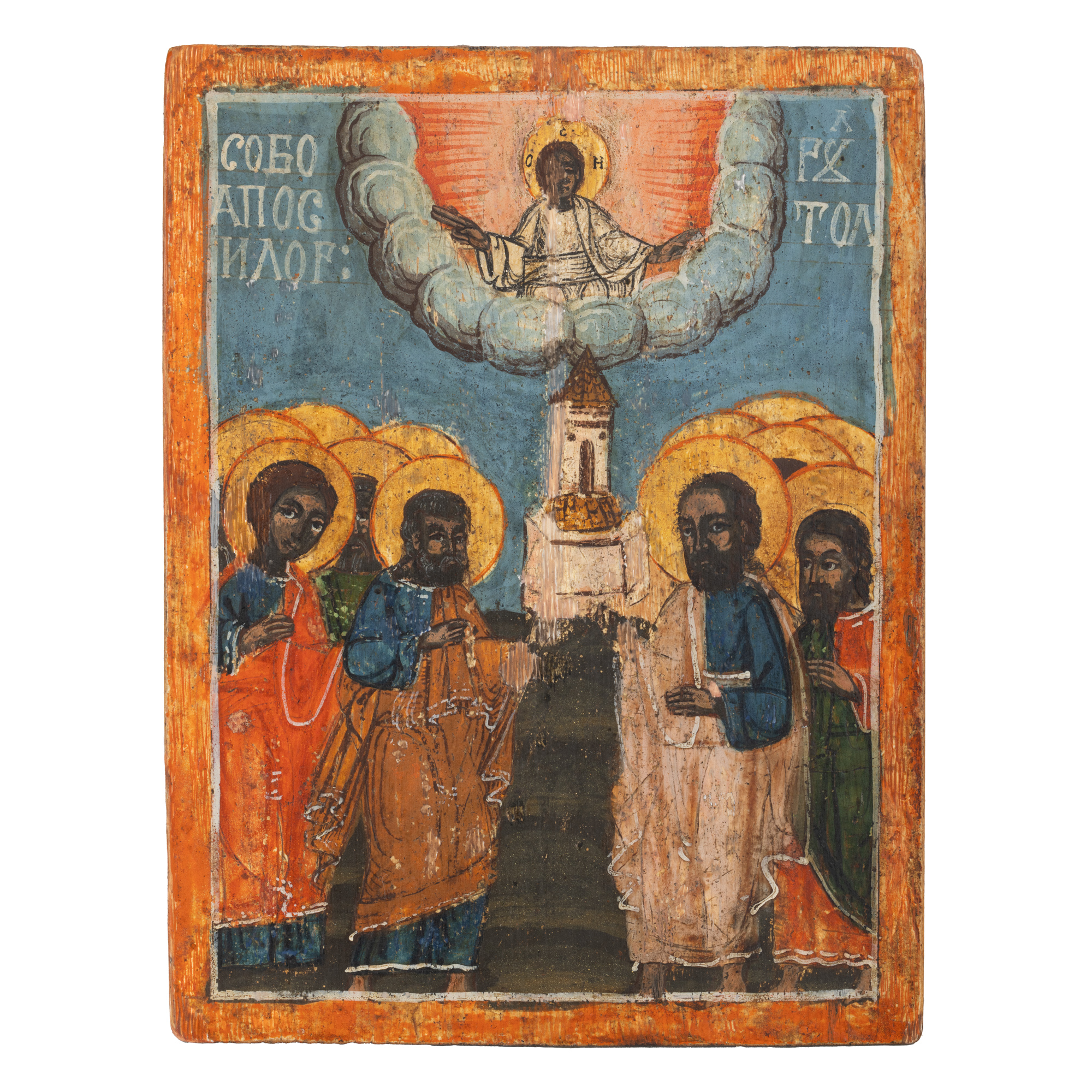
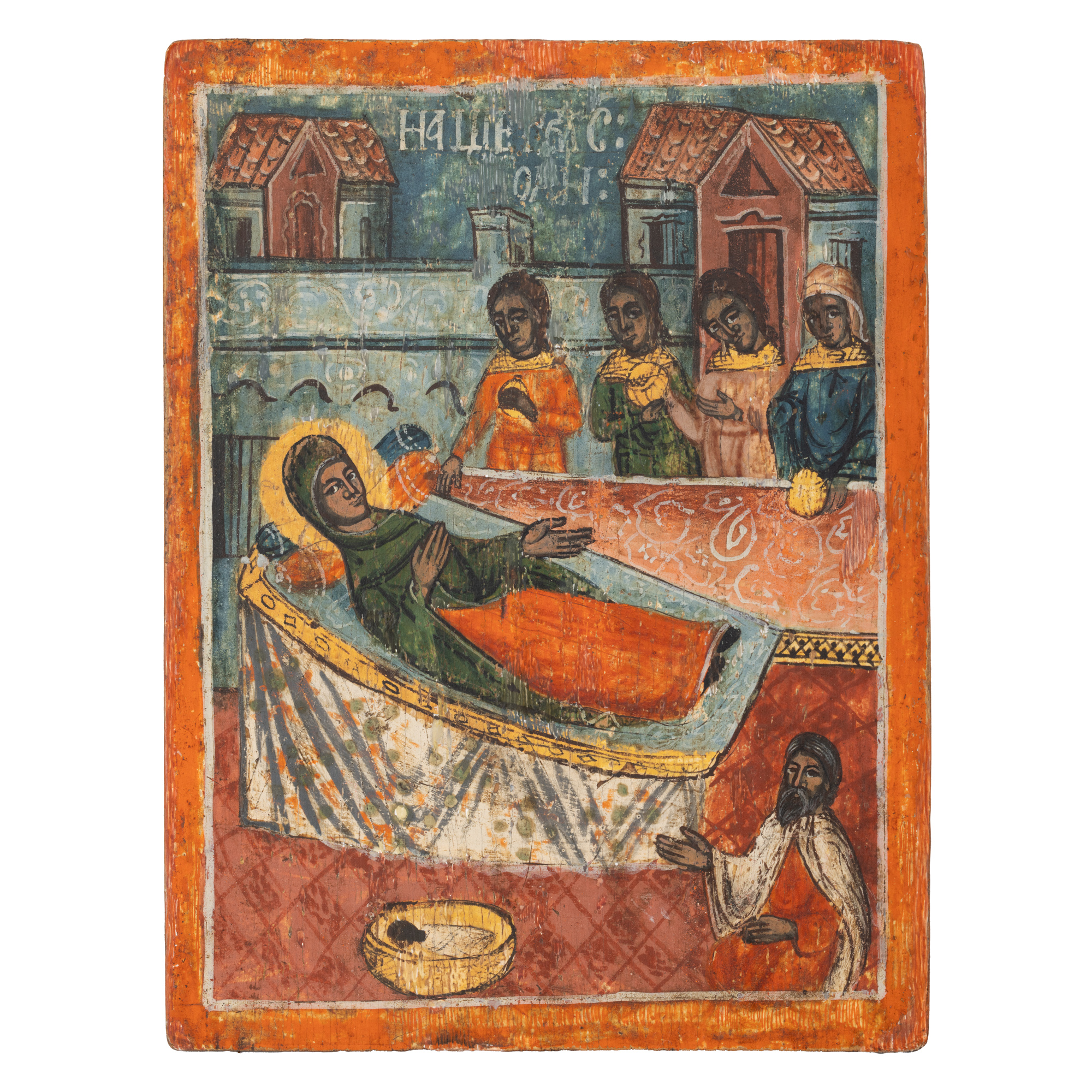
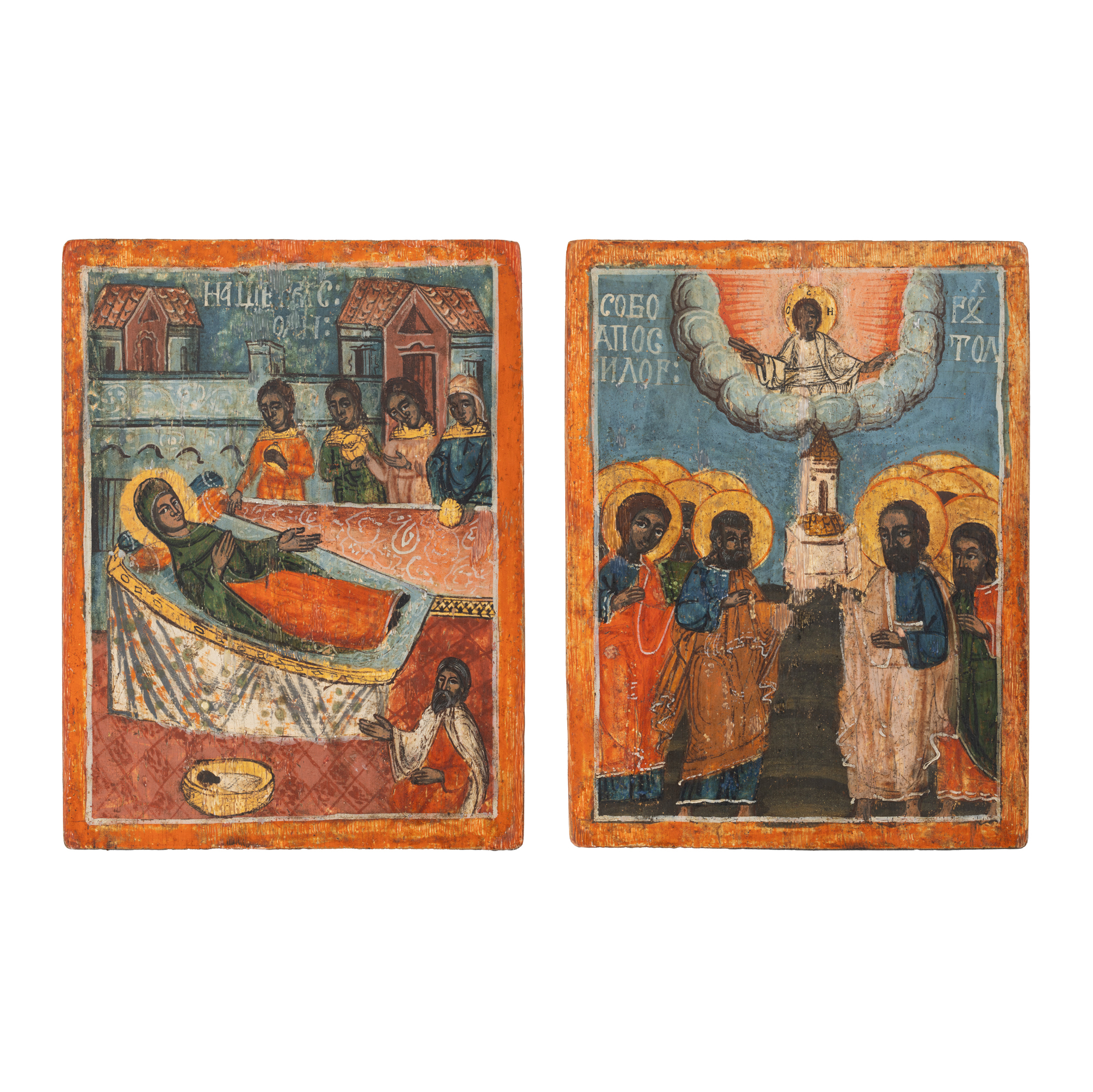
108. Double Holiday Icon, "The Birth of Saint John the Baptist" and "Assembly of the Holy Apostles", Wallachia, post-Brancovan school, second half of the 18th century, very rare collector's item.
Starting price
Pretul de pornire si cel estimat nu sunt preturi de vanzare efective
EUR 500
Session
Thu, 26 June 2025 18:00
Brought to you by
The holiday icon is placed on the tetrapod during the celebration. The ones with two sides were used for two holidays. On one of the sides, on a green-earth and blue-sky background, the 12 apostles are depicted. In the center, the Apostles Peter and Paul sustain, each with one hand, a church (symbol for those who follow His path). They are followed by the other apostles, positioned behind them. God the Father blesses them from the heavens, being placed on clouds with rays. Their garments are simple, without decorations.
On the other side is depicted the scene of the Birth of Saint John the Baptist, on a conventional architectural background. Saint Elizabeth is laid on the bed. At the end of the bed, Zechariah is standing. Above the bed are four women. On the lower right, the preparation for the child's bath is suggested.
Some clumsiness in the composition of the scenes, the schematic drawing and the red-blue bichrome, which constitute popular accents characteristic of post-Brancovan painting, are remarkable. The inscriptions designating the scenes are in Romanian, with Cyrillic characters. (A.D.)
Dimensions
width 16 cm, height 21.5 cm
Description
tempera pe lemn
Research information
The Birth of Saint John the Baptist is celebrated on June 24. This holiday is also known in folk tradition as Sânziene or Drăgaică. Saint John the Baptist was born in the city of Orini, in the family of the priest Zachariah, Elisabeth - his mother - being a descendant of the lineage of Aaron. It is important to mention that, following the summer solstice (June 21), the duration of the day begins to decrease, while the night grows. In this key of symbolic interpretation, the birth of Saint John, who embodies the Old Law, occurs at a time of decreasing light, signifying the sunset of the Old Testament. The day of the summer solstice has inspired poets and musicians over time, being evoked in various forms. George Coșbuc dedicated to the season the poems "An endless strip" and "Under the poplars here is cool", gathered under the title "Summer" in the volume Fire de tort. June 21, the longest day of the year and the shortest night, represents an occasion for a astral celebration, which Ion Heliade Rădulescu described as a veritable magical fairy tale of the night. On June 30, the Church celebrates the Synaxis of the Twelve Apostles - the disciples chosen by the Savior Jesus Christ, who brought the world the good news of the Gospel. The Apostles were witnesses of Christ's life, Passions and Resurrection. Through their lives, marked by sacrifice, faith and courage, they became the foundation of the Christian Church and living examples of mission and service. The twelve Apostles are: Peter, Andrew, Jacob, John, Philip, Bartholomew, Thomas, Matthew, Jacob of Alfeu, Jude Thaddeus, Simon Zelotes, and Matthias, chosen in place of Judas Iscariot.
ADDITIONAL INFORMATION
For clarifications regarding the bidding procedure, hammer price costs, guarantee, payment, and collection terms for the winning lot, we recommend carefully reading/re-reading the Bidding Regulations.
For additional information regarding the lot and the auction, please contact the Art Consultants Department.
Detalii
The holiday icon is placed on the tetrapod during the celebration. The ones with two sides were used for two holidays. On one of the sides, on a green-earth and blue-sky background, the 12 apostles are depicted. In the center, the Apostles Peter and Paul sustain, each with one hand, a church (symbol for those who follow His path). They are followed by the other apostles, positioned behind them. God the Father blesses them from the heavens, being placed on clouds with rays. Their garments are simple, without decorations.
On the other side is depicted the scene of the Birth of Saint John the Baptist, on a conventional architectural background. Saint Elizabeth is laid on the bed. At the end of the bed, Zechariah is standing. Above the bed are four women. On the lower right, the preparation for the child's bath is suggested.
Some clumsiness in the composition of the scenes, the schematic drawing and the red-blue bichrome, which constitute popular accents characteristic of post-Brancovan painting, are remarkable. The inscriptions designating the scenes are in Romanian, with Cyrillic characters. (A.D.)
ADDITIONAL INFORMATION
For clarifications regarding the bidding procedure, hammer price costs, guarantee, payment, and collection terms for the winning lot, we recommend carefully reading/re-reading the Bidding Regulations.
For additional information regarding the lot and the auction, please contact the Art Consultants Department.
Dimensions
width 16 cm, height 21.5 cm
Description
tempera pe lemn
Research information
The Birth of Saint John the Baptist is celebrated on June 24. This holiday is also known in folk tradition as Sânziene or Drăgaică. Saint John the Baptist was born in the city of Orini, in the family of the priest Zachariah, Elisabeth - his mother - being a descendant of the lineage of Aaron. It is important to mention that, following the summer solstice (June 21), the duration of the day begins to decrease, while the night grows. In this key of symbolic interpretation, the birth of Saint John, who embodies the Old Law, occurs at a time of decreasing light, signifying the sunset of the Old Testament. The day of the summer solstice has inspired poets and musicians over time, being evoked in various forms. George Coșbuc dedicated to the season the poems "An endless strip" and "Under the poplars here is cool", gathered under the title "Summer" in the volume Fire de tort. June 21, the longest day of the year and the shortest night, represents an occasion for a astral celebration, which Ion Heliade Rădulescu described as a veritable magical fairy tale of the night. On June 30, the Church celebrates the Synaxis of the Twelve Apostles - the disciples chosen by the Savior Jesus Christ, who brought the world the good news of the Gospel. The Apostles were witnesses of Christ's life, Passions and Resurrection. Through their lives, marked by sacrifice, faith and courage, they became the foundation of the Christian Church and living examples of mission and service. The twelve Apostles are: Peter, Andrew, Jacob, John, Philip, Bartholomew, Thomas, Matthew, Jacob of Alfeu, Jude Thaddeus, Simon Zelotes, and Matthias, chosen in place of Judas Iscariot.
Brought to you by
Similar lots
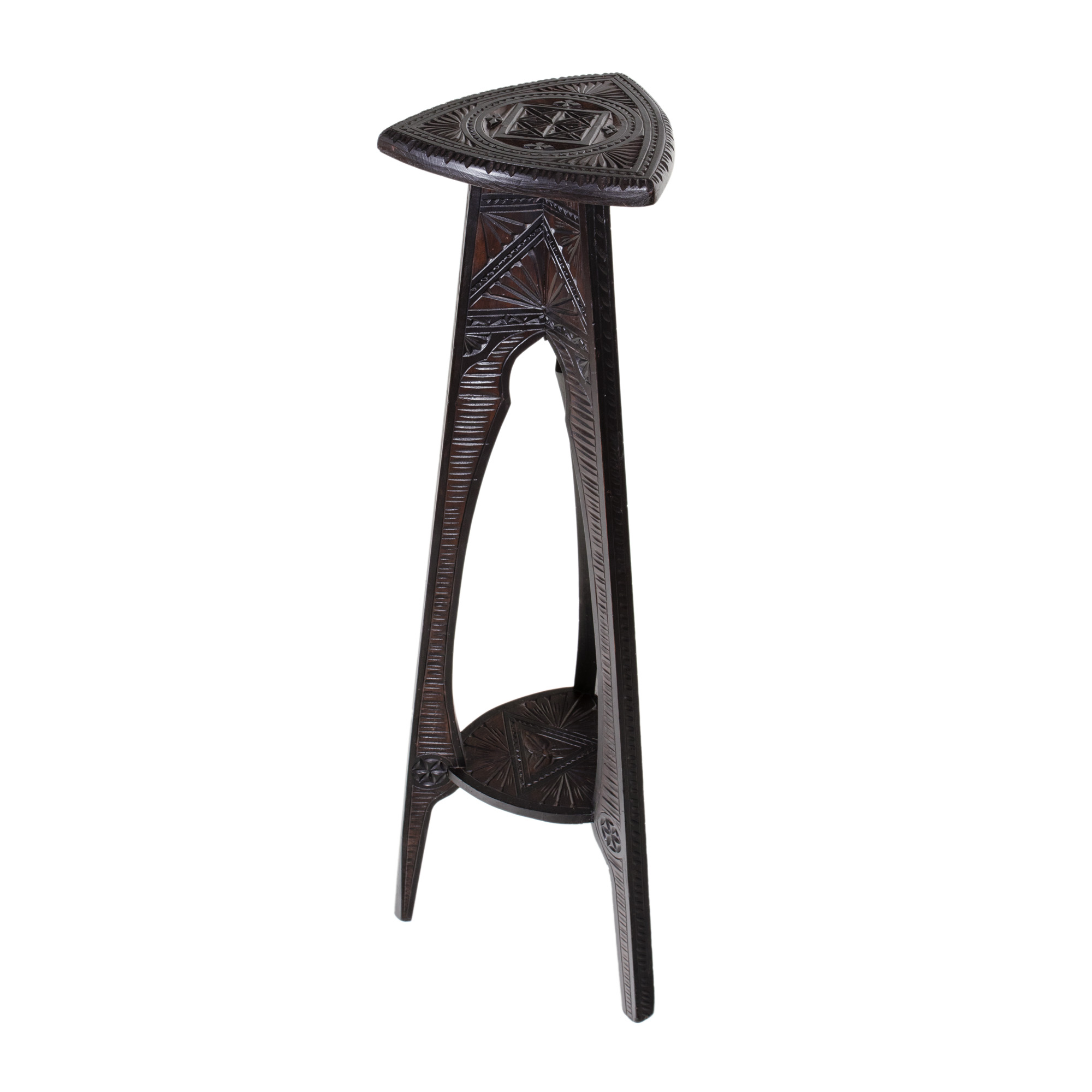
23. Neo-Romanian Linden Wood Pedestal, first half of the 20th century
Starting price
EUR 100
Sold
EUR 150
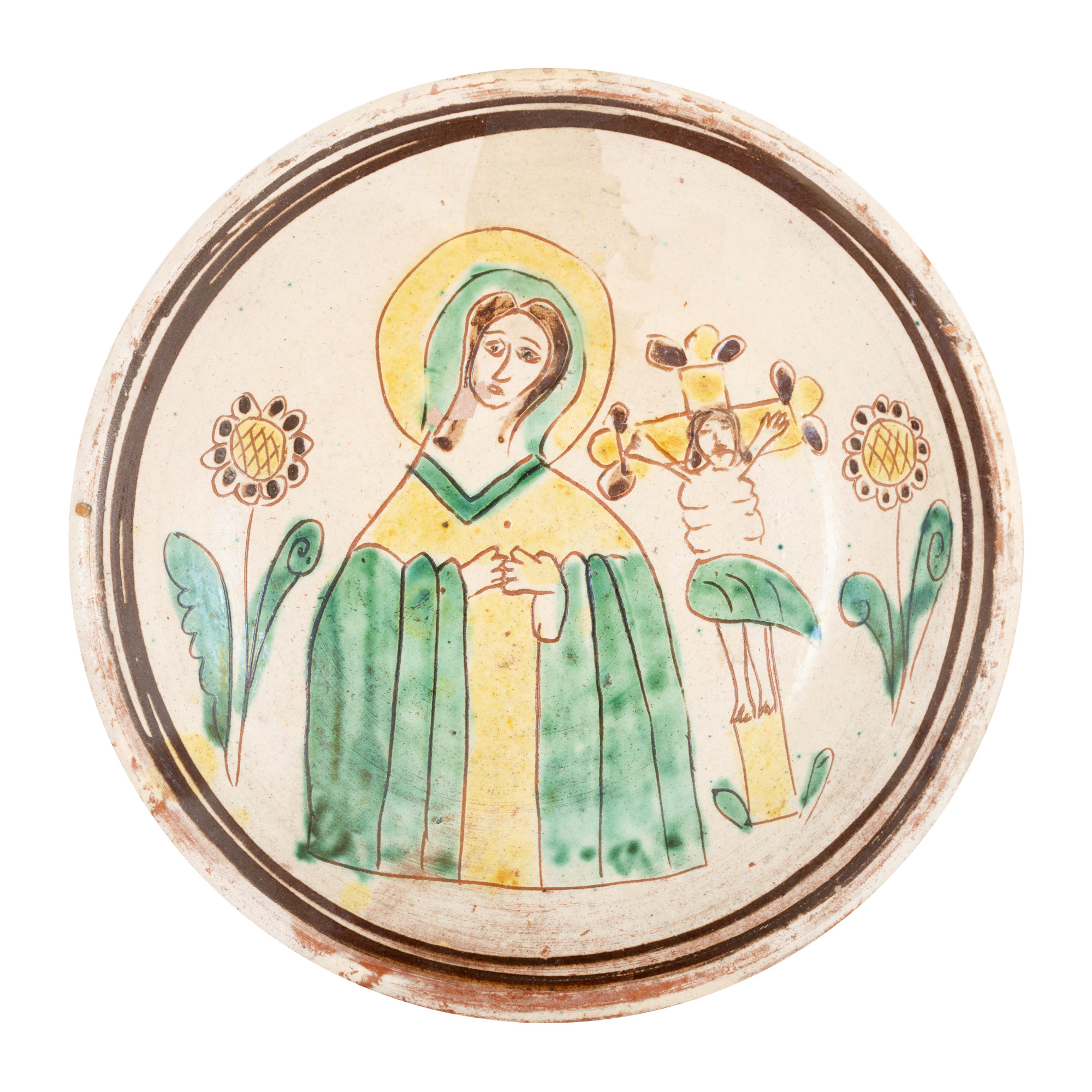
223. Decorative plate, Kuty type (Rădăuţi), interwar period, signed by Constantin Colibaba
Starting price
EUR 30
Sold
EUR 150
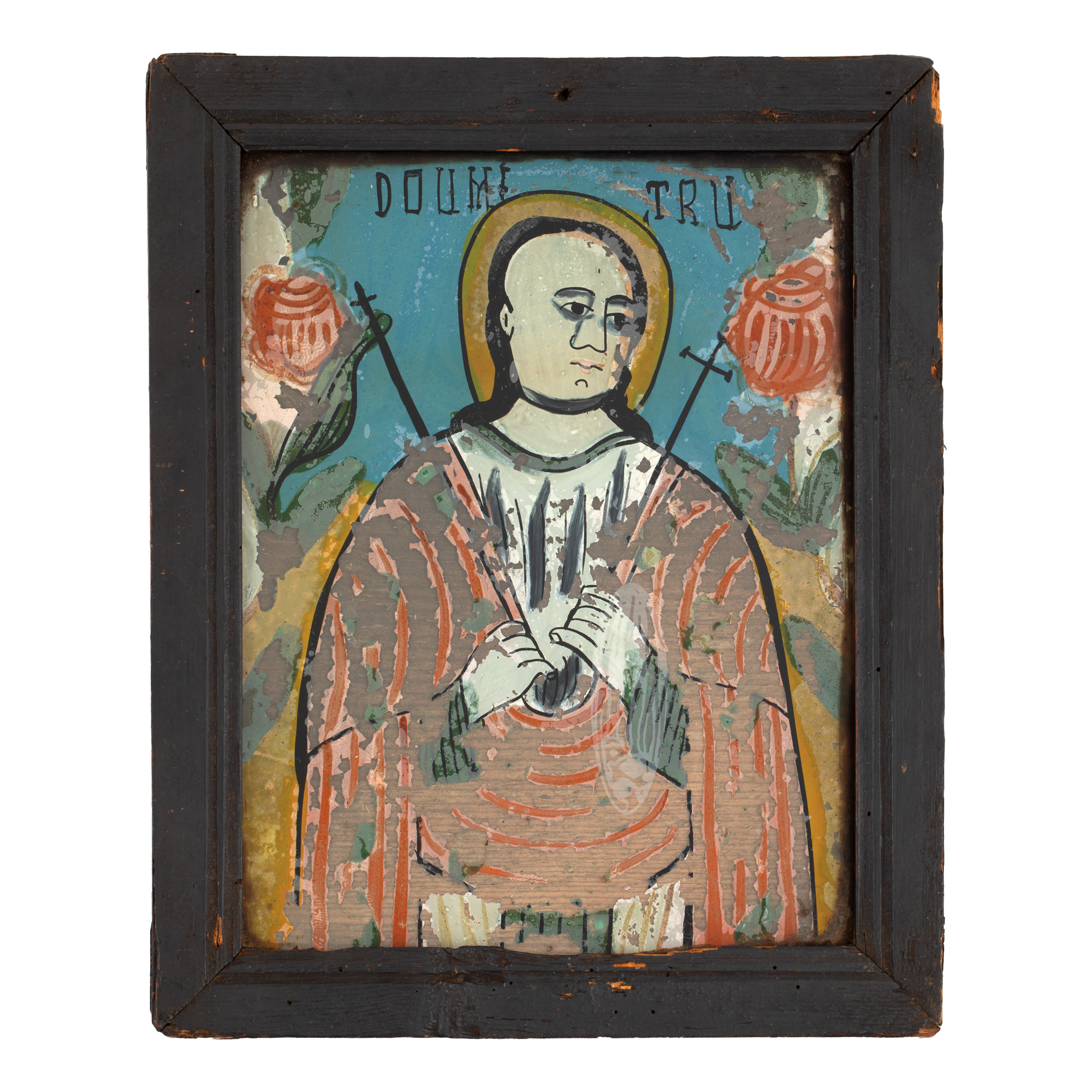
70. Icon on glass, "Saint Demetrius", Gherla workshop, end of the 19th century
Starting price
EUR 50
Sold
EUR 100
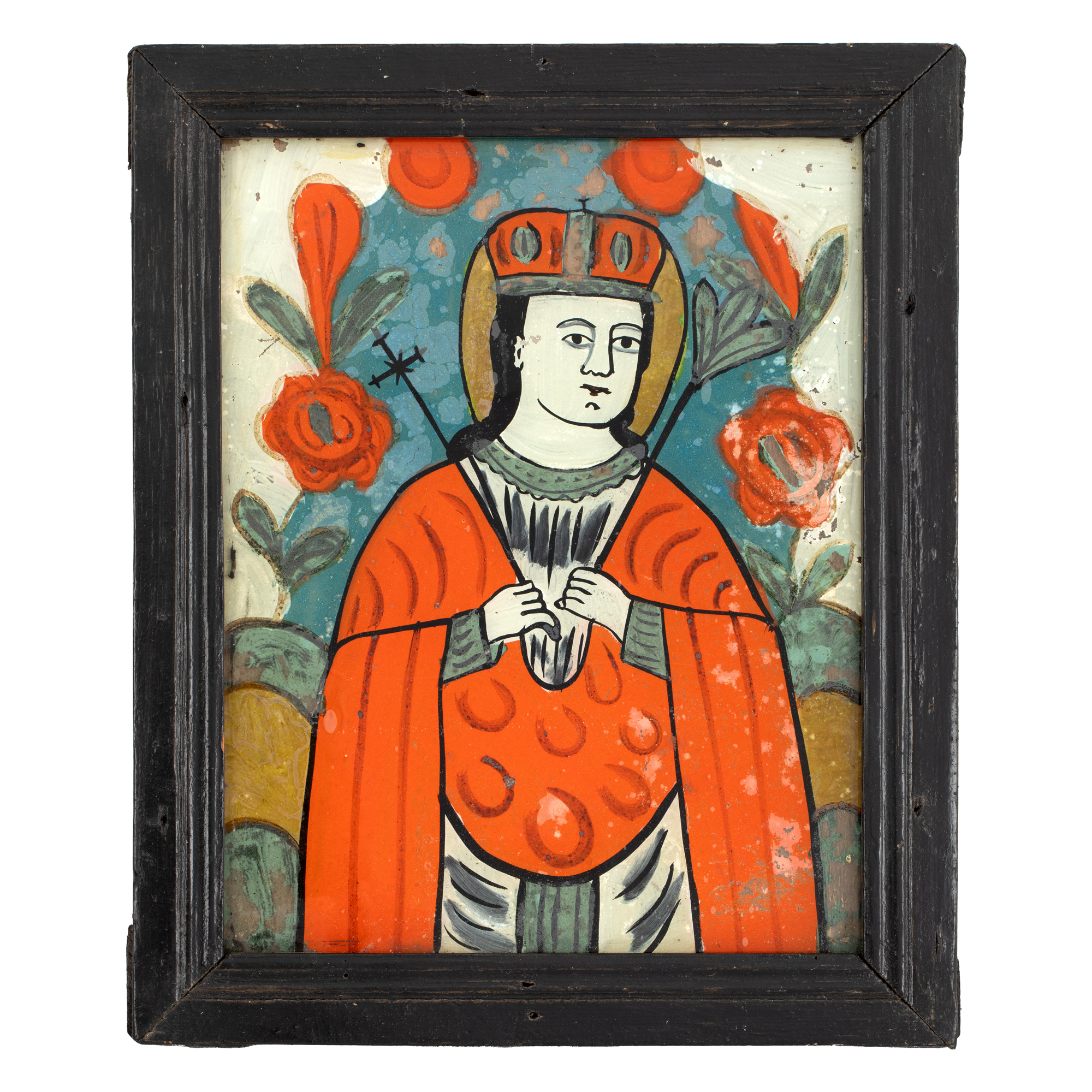
83. Icon on glass, "Saint Pious Parascheva (Saint Friday, the Protector of Moldova)", Nicula workshop, last decades of the 19th century
Starting price
EUR 100
Sold
EUR 100