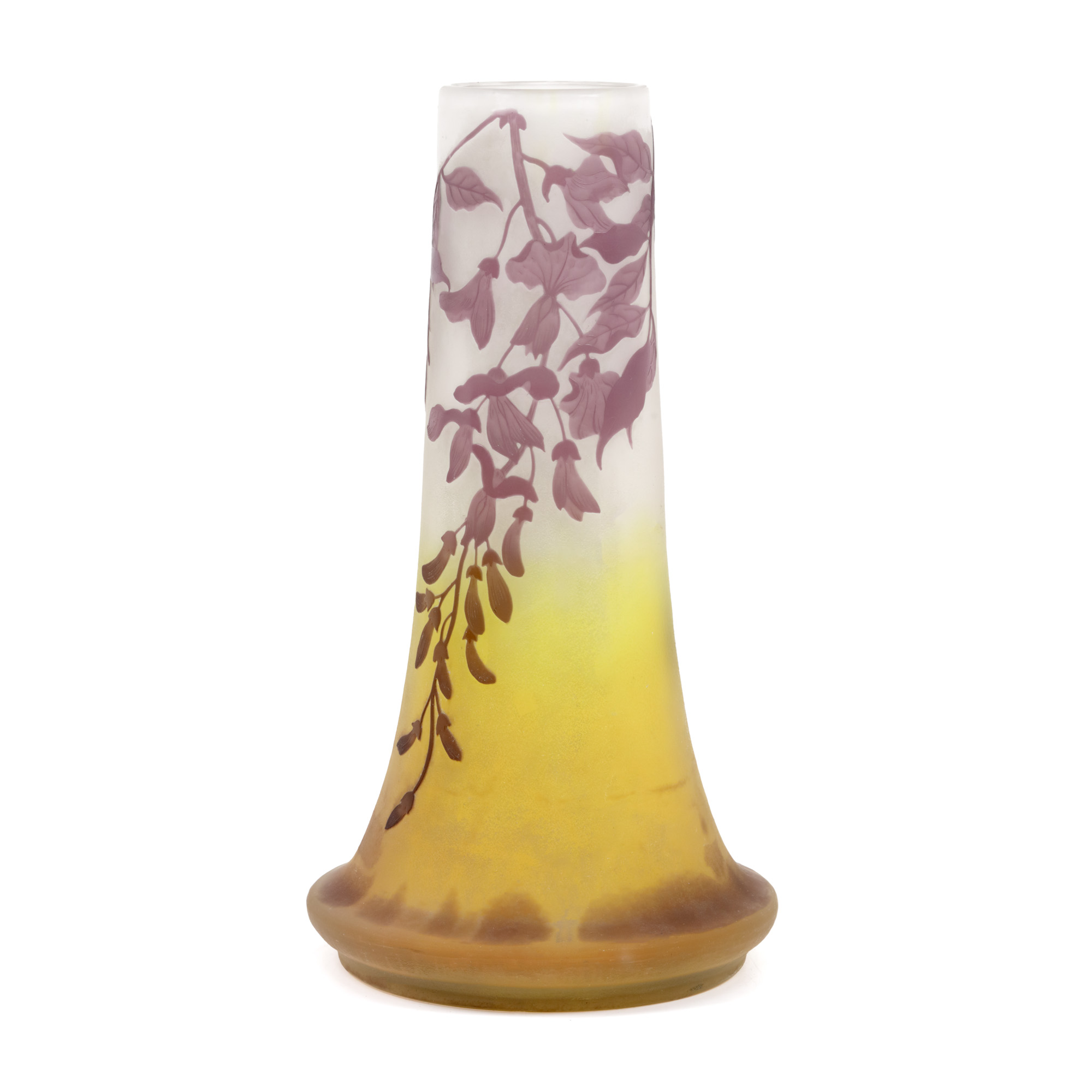
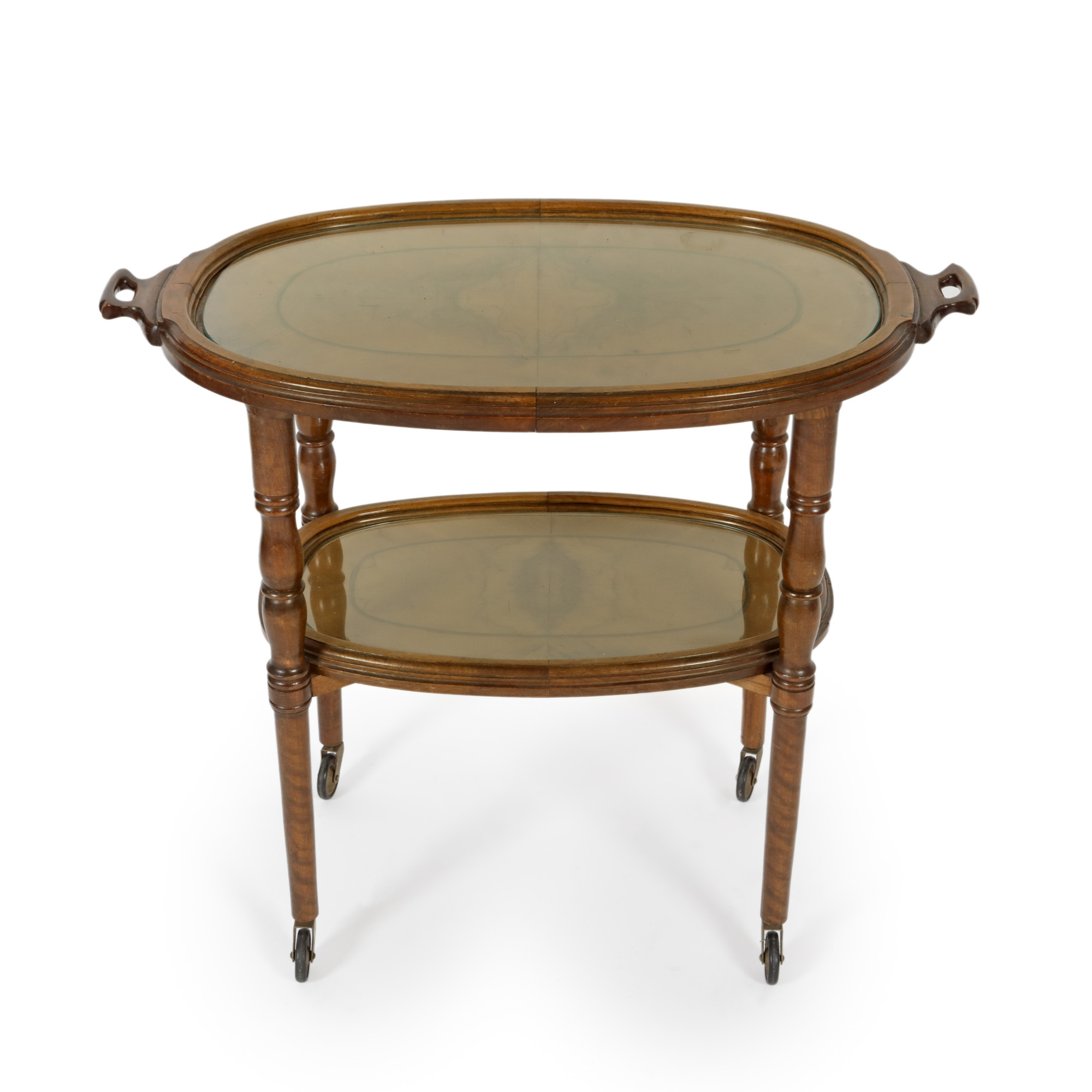
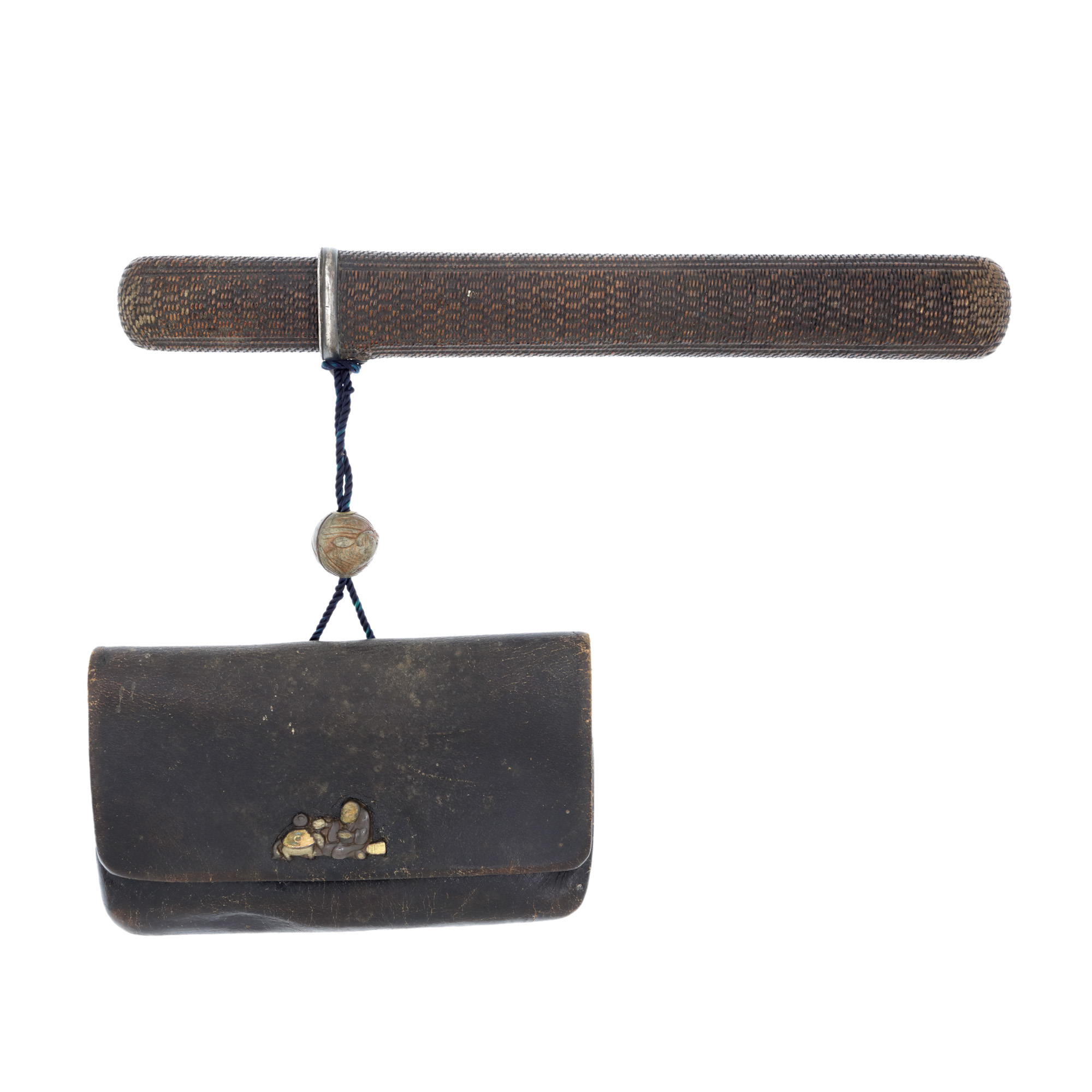
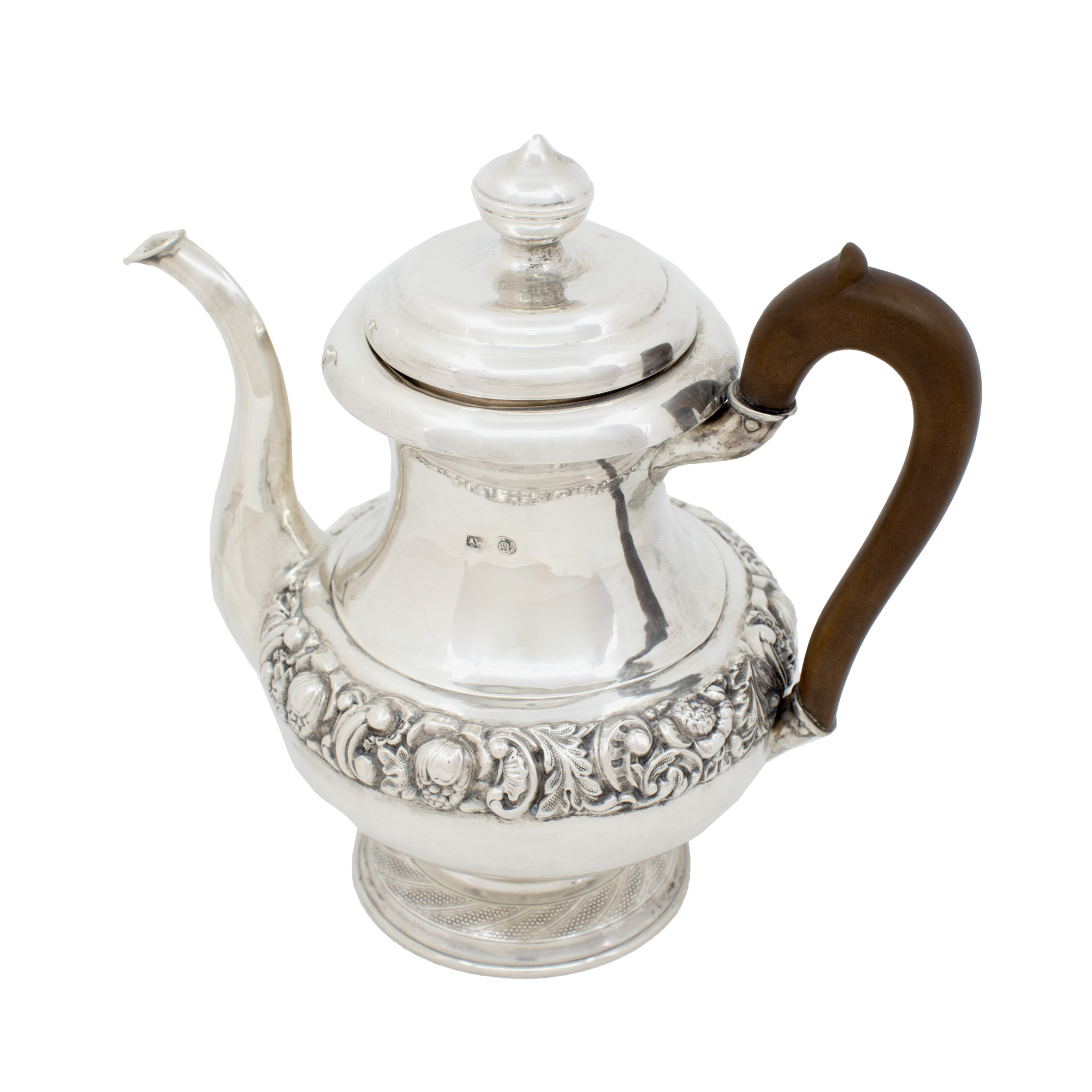
The photos of the lot are informative and indicative, and cannot provide a highly detailed view of the object from all angles. We recommend a careful physical inspection of the lot before bidding.
The photos of the lot are informative and indicative, and cannot provide a highly detailed view of the object from all angles. We recommend a careful physical inspection of the lot before bidding.
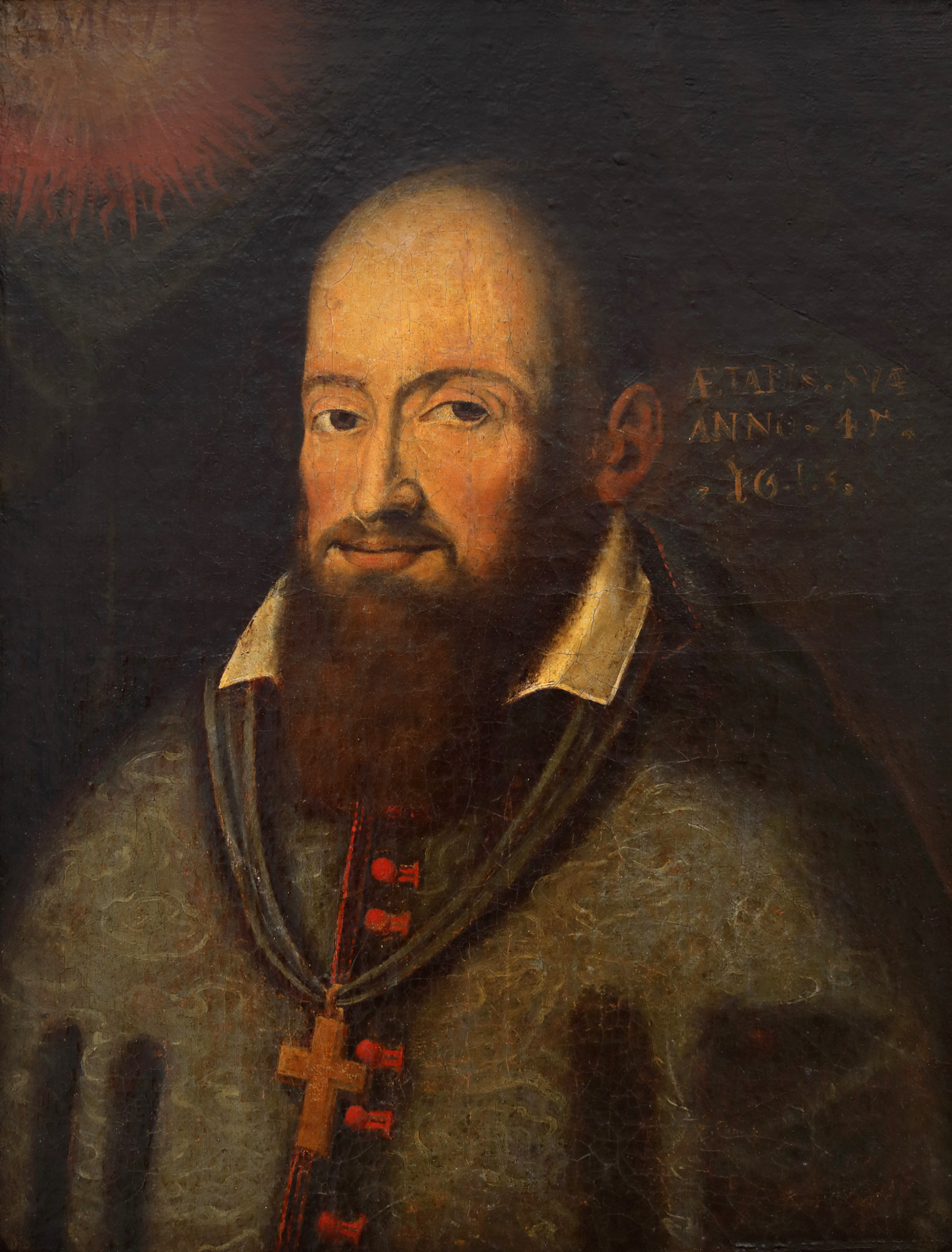
The need to associate images with the act of worship led to the birth of a so-called cult of iconography, which evolved with the spread of Christianity. Initially, artists had little or no information about the faces they had to represent, but over time the documentary information became increasingly rich and could provide a somewhat truthful basis for constructing a portrait. The sacralization of the image evolved, gradually, into an art form and constituted a solid iconographic-documentary foundation. Over time, no less than 200 portraits were dedicated to Francis de Sales, in which artists display their different visions of the personality and traits of the character. Francis de Sales was born on August 21, 1567 at Château de Sales into a wealthy family. By his father's wish, who wanted to see him a magistrate, he benefited from a distinguished education, studying at important schools and taking riding, dancing or fencing lessons. The year 1586 will prove to be revealing both personally and for his professional journey. He now takes part in a theological discussion about fate and predestination, which will make him aware of the imminent condemnation of hell. This discussion will be the basis for his decision to dedicate his life to faith, so he will simultaneously study law and theology in Italy. Known for his unshakable faith and his writings devoted to spiritual formation, he will become the bishop of Geneva, and after his passing on December 28, 1622, will be canonized by the Catholic Church. ”My heart sees better than my eyes," the cleric would declare, reluctantly giving in to the insistence of those around him to pose ”for painting". The first known portraits date back to around 1910; from 1913, at least three such works have been preserved. The Latin phrase we also find in this work inscribed in the piece was specific to the era and often used in portraits or inscribed on gravestones. ”Aetatis suae...anno” meaning "at the age of ... in the year" indicates, where used, important details about the protagonist of the work but also about the artist or the trends of the time. In 1613, Francis de Sales was most likely 46 or 47 years old (depending on the exact date the piece was made), so we also find these details inscribed in the artwork. We also encounter in this portrait the specific figure, declined according to the artistic visions of each painting's creators. We notice the broad forehead, devoid of locks; the prominent beard and the monastic robe with the specific details; the large wooden cross he wears around his neck, a recurring presence; and the left eye that indicates a slight strabismus, a deformity mentioned in a 1937 article, a visible aberration in most of his portraits. We discern the sober chromatics, in agreement with the profession of the character, and the background in which it is immersed. In the upper left part, however, we notice an element that stands out through form and color, but also through its crowning text. Unfortunately, however, the difficulty Francis de Sales encountered when he had to stand still for several hours in front of the artist will be reflected in a series of portraits in which his features vary more or less from the original. His portraits will end up being distributed throughout all corners of Europe, from community houses in Sibiu to small antique shops in Turin. The bishop's beatification in 1661, and then his canonization in 1665 will contribute to the intensification of iconography dedicated to his personality. The figure of the new saint will appear in paintings, frescoes, gravures, statuettes, medals, embroideries, and other objects. Among the artists who made his portrait, we can mention Philippe de Champaigne, Hippolyte Flandrin or Jean Baptiste Costaz. His face also appears in the interior paintings of some churches such as "St. Sulpice" in Paris or "Sacré Coeur de Montmartre". In 1922, Pope Pius XI decreed Francis de Sales as the patron saint of Catholic journalists.
References
"St. Francis de Sales and His Portraits", Father Jules Chambelland, O.S.F.S, in "Salesian Annals", 1937, p.66f.
Dimensions
width 52.5 cm, height 67.5 cm
Description
oil on canvas, mentioned on the right side, in ochre, "AETATIS SVAE. ANNO 1613"; mentioned upper left, in brown, "AMO/R"
Dating
1613
ADDITIONAL INFORMATION
For clarifications regarding the bidding procedure, hammer price costs, guarantee, payment, and collection terms for the winning lot, we recommend carefully reading/re-reading the Bidding Regulations.
For additional information regarding the lot and the auction, please contact the Art Consultants Department.
Detalii
The need to associate images with the act of worship led to the birth of a so-called cult of iconography, which evolved with the spread of Christianity. Initially, artists had little or no information about the faces they had to represent, but over time the documentary information became increasingly rich and could provide a somewhat truthful basis for constructing a portrait. The sacralization of the image evolved, gradually, into an art form and constituted a solid iconographic-documentary foundation. Over time, no less than 200 portraits were dedicated to Francis de Sales, in which artists display their different visions of the personality and traits of the character. Francis de Sales was born on August 21, 1567 at Château de Sales into a wealthy family. By his father's wish, who wanted to see him a magistrate, he benefited from a distinguished education, studying at important schools and taking riding, dancing or fencing lessons. The year 1586 will prove to be revealing both personally and for his professional journey. He now takes part in a theological discussion about fate and predestination, which will make him aware of the imminent condemnation of hell. This discussion will be the basis for his decision to dedicate his life to faith, so he will simultaneously study law and theology in Italy. Known for his unshakable faith and his writings devoted to spiritual formation, he will become the bishop of Geneva, and after his passing on December 28, 1622, will be canonized by the Catholic Church. ”My heart sees better than my eyes," the cleric would declare, reluctantly giving in to the insistence of those around him to pose ”for painting". The first known portraits date back to around 1910; from 1913, at least three such works have been preserved. The Latin phrase we also find in this work inscribed in the piece was specific to the era and often used in portraits or inscribed on gravestones. ”Aetatis suae...anno” meaning "at the age of ... in the year" indicates, where used, important details about the protagonist of the work but also about the artist or the trends of the time. In 1613, Francis de Sales was most likely 46 or 47 years old (depending on the exact date the piece was made), so we also find these details inscribed in the artwork. We also encounter in this portrait the specific figure, declined according to the artistic visions of each painting's creators. We notice the broad forehead, devoid of locks; the prominent beard and the monastic robe with the specific details; the large wooden cross he wears around his neck, a recurring presence; and the left eye that indicates a slight strabismus, a deformity mentioned in a 1937 article, a visible aberration in most of his portraits. We discern the sober chromatics, in agreement with the profession of the character, and the background in which it is immersed. In the upper left part, however, we notice an element that stands out through form and color, but also through its crowning text. Unfortunately, however, the difficulty Francis de Sales encountered when he had to stand still for several hours in front of the artist will be reflected in a series of portraits in which his features vary more or less from the original. His portraits will end up being distributed throughout all corners of Europe, from community houses in Sibiu to small antique shops in Turin. The bishop's beatification in 1661, and then his canonization in 1665 will contribute to the intensification of iconography dedicated to his personality. The figure of the new saint will appear in paintings, frescoes, gravures, statuettes, medals, embroideries, and other objects. Among the artists who made his portrait, we can mention Philippe de Champaigne, Hippolyte Flandrin or Jean Baptiste Costaz. His face also appears in the interior paintings of some churches such as "St. Sulpice" in Paris or "Sacré Coeur de Montmartre". In 1922, Pope Pius XI decreed Francis de Sales as the patron saint of Catholic journalists.
ADDITIONAL INFORMATION
For clarifications regarding the bidding procedure, hammer price costs, guarantee, payment, and collection terms for the winning lot, we recommend carefully reading/re-reading the Bidding Regulations.
For additional information regarding the lot and the auction, please contact the Art Consultants Department.
References
"St. Francis de Sales and His Portraits", Father Jules Chambelland, O.S.F.S, in "Salesian Annals", 1937, p.66f.
Dimensions
width 52.5 cm, height 67.5 cm
Description
oil on canvas, mentioned on the right side, in ochre, "AETATIS SVAE. ANNO 1613"; mentioned upper left, in brown, "AMO/R"
Dating
1613
Brought to you by
Simona Oprea
Head of Oriental Art, Traditional Art & Carpets Evaluation Office; Chinese Language Certificate HSK 4