
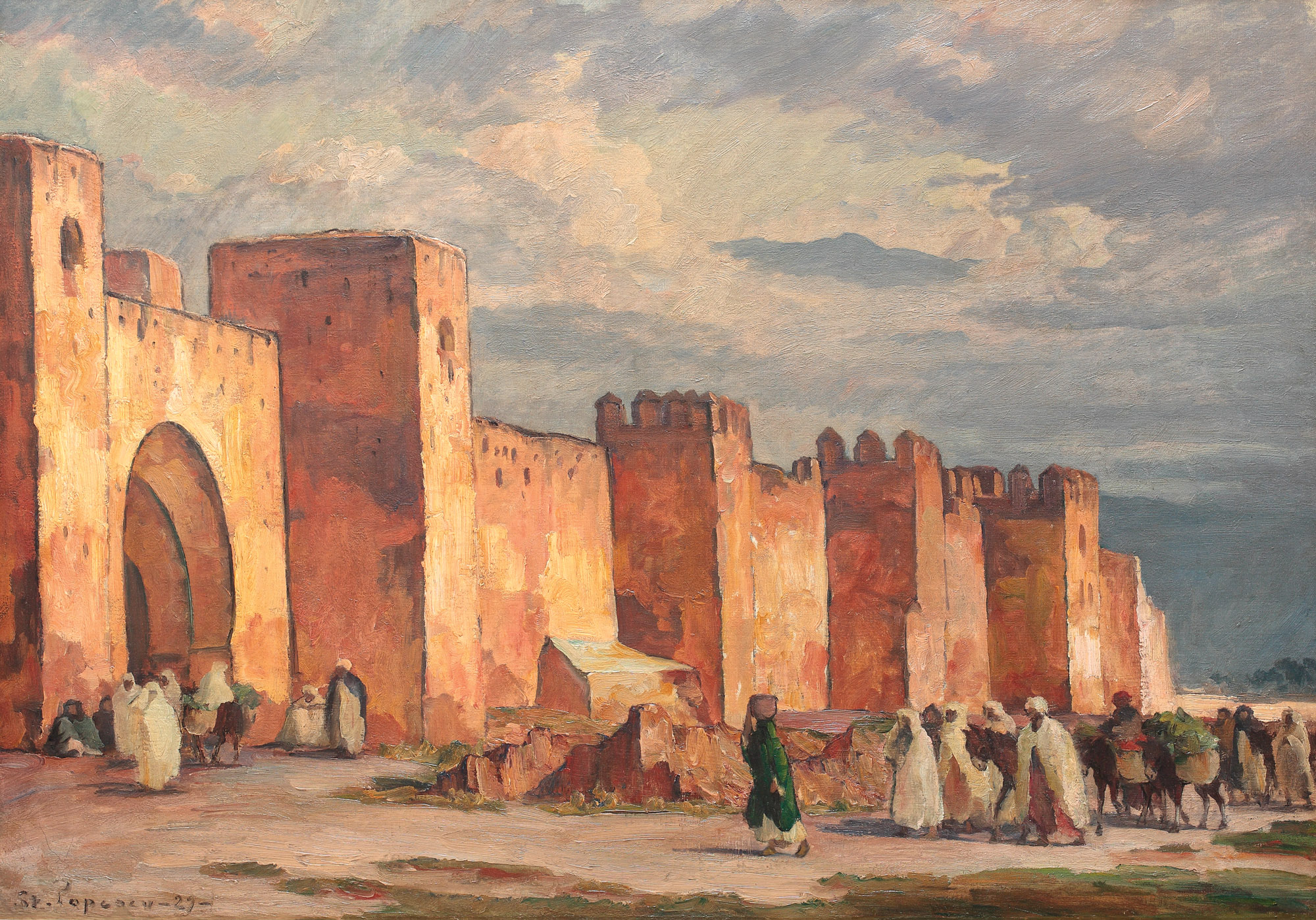
158. Marrakech [1929]
Selling price
EUR 17.250
Session
Tue, 21 December 2021 19:00
References
OPRESCU, George, ”Ștefan Popescu”, Ed. de Stat pentru Literatură și Artă, București, 1958
Dimensions
width 100.5 cm, height 70.5 cm, custom 70,5 Ã 100,5 cm
Description
oil on canvas, signed and dated bottom left, with black, "St. Popescu, (19)29"
Research information
Most likely, the painting participated in the private exhibition Ètefan Popescu, December 1930, open in the painting workshop in Dionisie Street no. 84, when he exhibited 95 paintings and 176 drawings. The painting participated in the Exhibition "Great landmarks of the Romanian art. Pinacoteca Bucharest visiting the Artsociety Gallery", Bucharest, 2009 and is reproduced in the exhibition catalogue on page. 44. The artwork is featured in "The Cart with Oxen. Painting in Romania", Tudor Octavian, the Official Gazette, Bucharest, 2012, at p. 156. The artwork is listed in the National Mobile Cultural Heritage, following the Order no. 2211 of the Ministry of Culture, from April 11, 2013.
Dating
1929
ADDITIONAL INFORMATION
For clarifications regarding the bidding procedure, hammer price costs, guarantee, payment, and collection terms for the winning lot, we recommend carefully reading/re-reading the Bidding Regulations.
For additional information regarding the lot and the auction, please contact the Art Consultants Department.
Detalii
ADDITIONAL INFORMATION
For clarifications regarding the bidding procedure, hammer price costs, guarantee, payment, and collection terms for the winning lot, we recommend carefully reading/re-reading the Bidding Regulations.
For additional information regarding the lot and the auction, please contact the Art Consultants Department.
References
OPRESCU, George, ”Ștefan Popescu”, Ed. de Stat pentru Literatură și Artă, București, 1958
Dimensions
width 100.5 cm, height 70.5 cm, custom 70,5 Ã 100,5 cm
Description
oil on canvas, signed and dated bottom left, with black, "St. Popescu, (19)29"
Research information
Most likely, the painting participated in the private exhibition Ètefan Popescu, December 1930, open in the painting workshop in Dionisie Street no. 84, when he exhibited 95 paintings and 176 drawings. The painting participated in the Exhibition "Great landmarks of the Romanian art. Pinacoteca Bucharest visiting the Artsociety Gallery", Bucharest, 2009 and is reproduced in the exhibition catalogue on page. 44. The artwork is featured in "The Cart with Oxen. Painting in Romania", Tudor Octavian, the Official Gazette, Bucharest, 2012, at p. 156. The artwork is listed in the National Mobile Cultural Heritage, following the Order no. 2211 of the Ministry of Culture, from April 11, 2013.
Dating
1929
Similar lots
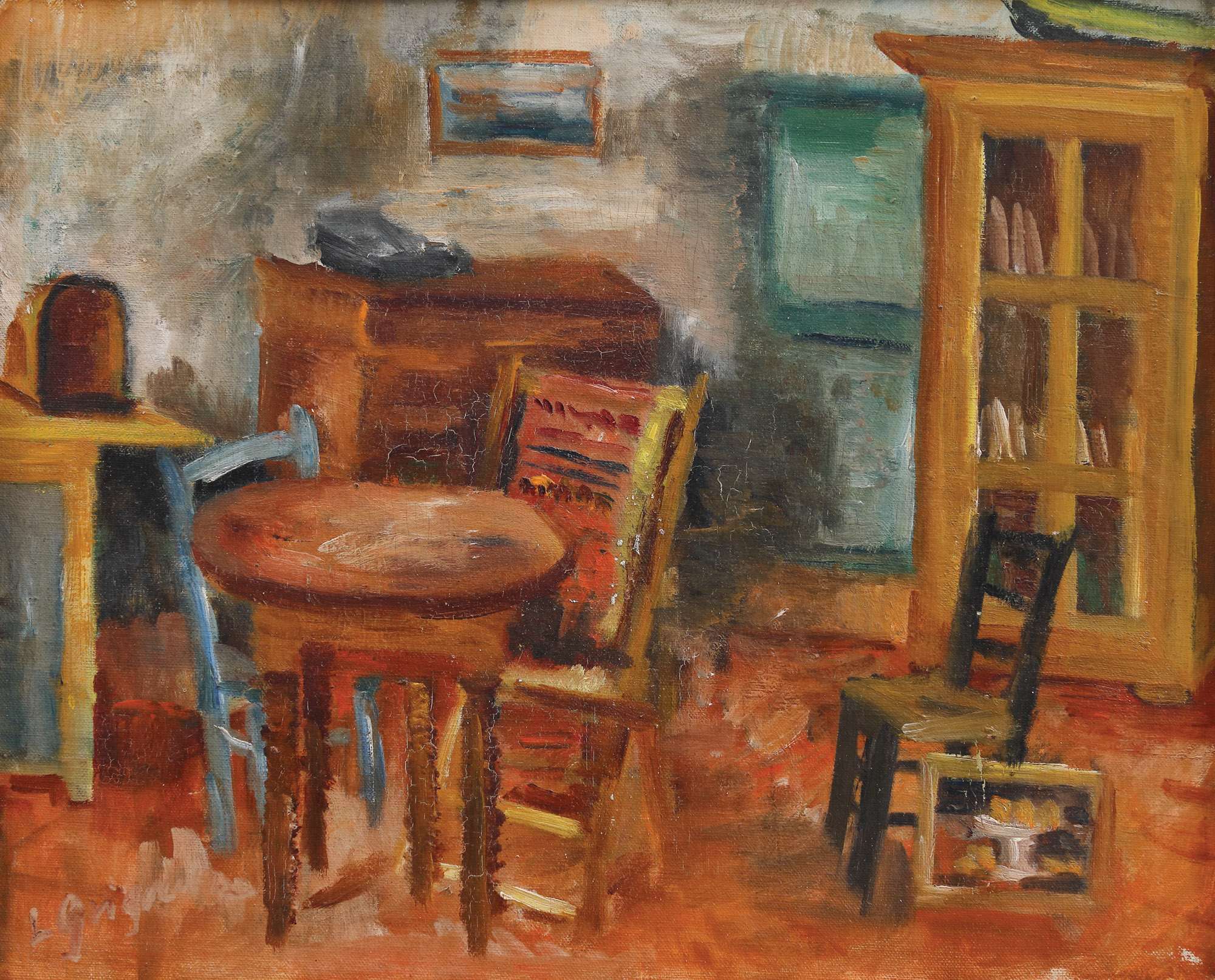
40. Interior of the Artist's Studio [sfârÈitul anilor '20]