
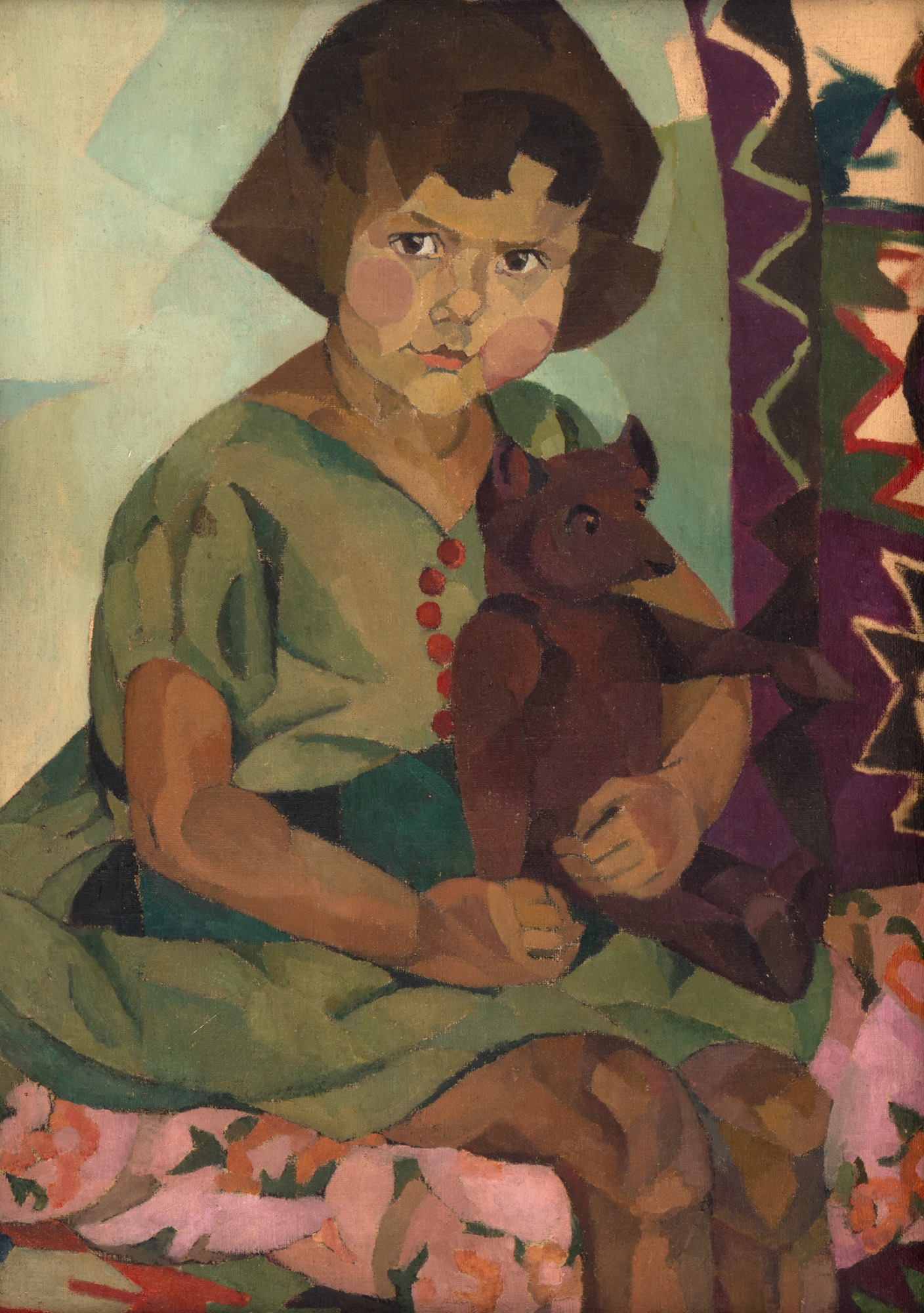
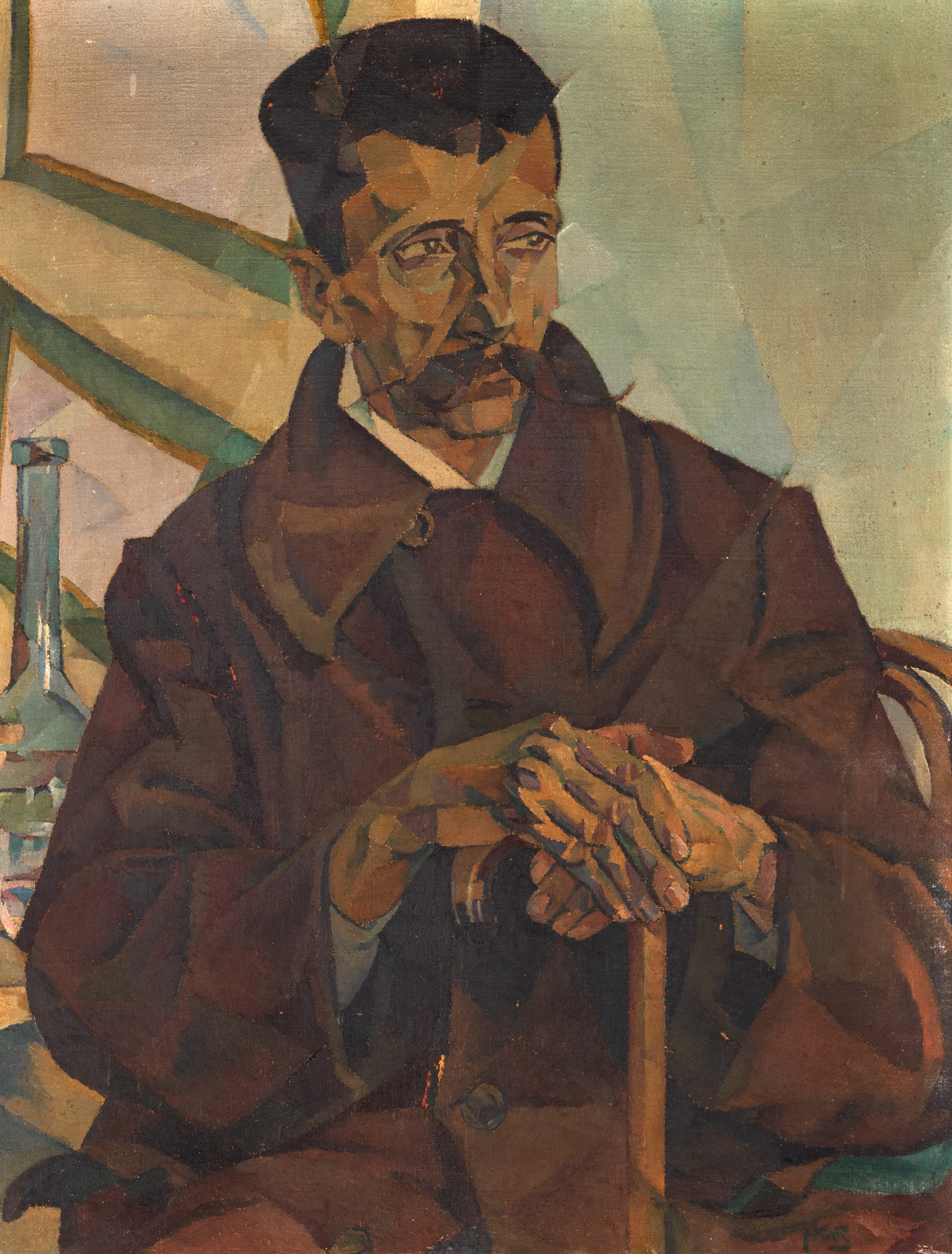
10. Two Friends [anii '20]
Estimate
EUR 3.500 - 5.500
Session
Thu, 18 June 2026 19:00
References
Monica ENACHE, "Equal. Art and Feminism in Modern Romania", The National Museum of Art of Romania, Bucharest, 2016. "Nadia Bulighin Grossman", Romanian painters from Argeș, Hearth of Heritage Makers and Creators, 2023. Ionel JIANU, "A Conversation with Nadia Bulighin" in "Rampa", year XIII, March 9, 1928 Adrian MANIU, "Nadia Bulighin: A New Painter and Some Beautiful Books" in "The Ramp", year XIII, February 26, 1928.
Dimensions
width 59 cm, height 79 cm
Description
oil on canvas, signed on the back, bottom right, in black, "N.G.B."
Dating
anii '20
ADDITIONAL INFORMATION
For clarifications regarding the bidding procedure, hammer price costs, guarantee, payment, and collection terms for the winning lot, we recommend carefully reading/re-reading the Bidding Regulations.
For additional information regarding the lot and the auction, please contact the Art Consultants Department.
Detalii
ADDITIONAL INFORMATION
For clarifications regarding the bidding procedure, hammer price costs, guarantee, payment, and collection terms for the winning lot, we recommend carefully reading/re-reading the Bidding Regulations.
For additional information regarding the lot and the auction, please contact the Art Consultants Department.
References
Monica ENACHE, "Equal. Art and Feminism in Modern Romania", The National Museum of Art of Romania, Bucharest, 2016. "Nadia Bulighin Grossman", Romanian painters from Argeș, Hearth of Heritage Makers and Creators, 2023. Ionel JIANU, "A Conversation with Nadia Bulighin" in "Rampa", year XIII, March 9, 1928 Adrian MANIU, "Nadia Bulighin: A New Painter and Some Beautiful Books" in "The Ramp", year XIII, February 26, 1928.
Dimensions
width 59 cm, height 79 cm
Description
oil on canvas, signed on the back, bottom right, in black, "N.G.B."
Dating
anii '20
Similar lots