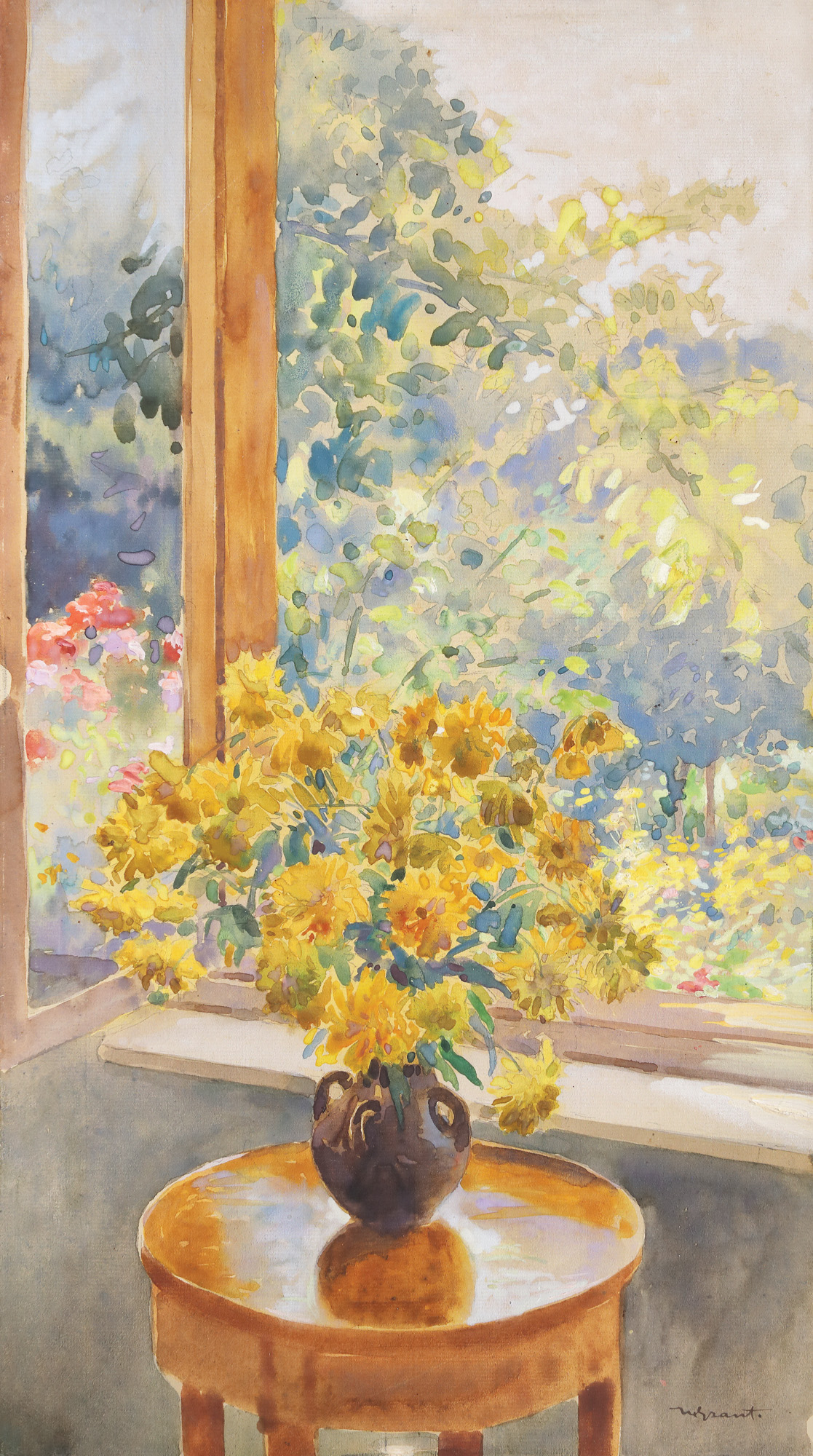
The photos of the lot are informative and indicative, and cannot provide a highly detailed view of the object from all angles. We recommend a careful physical inspection of the lot before bidding.
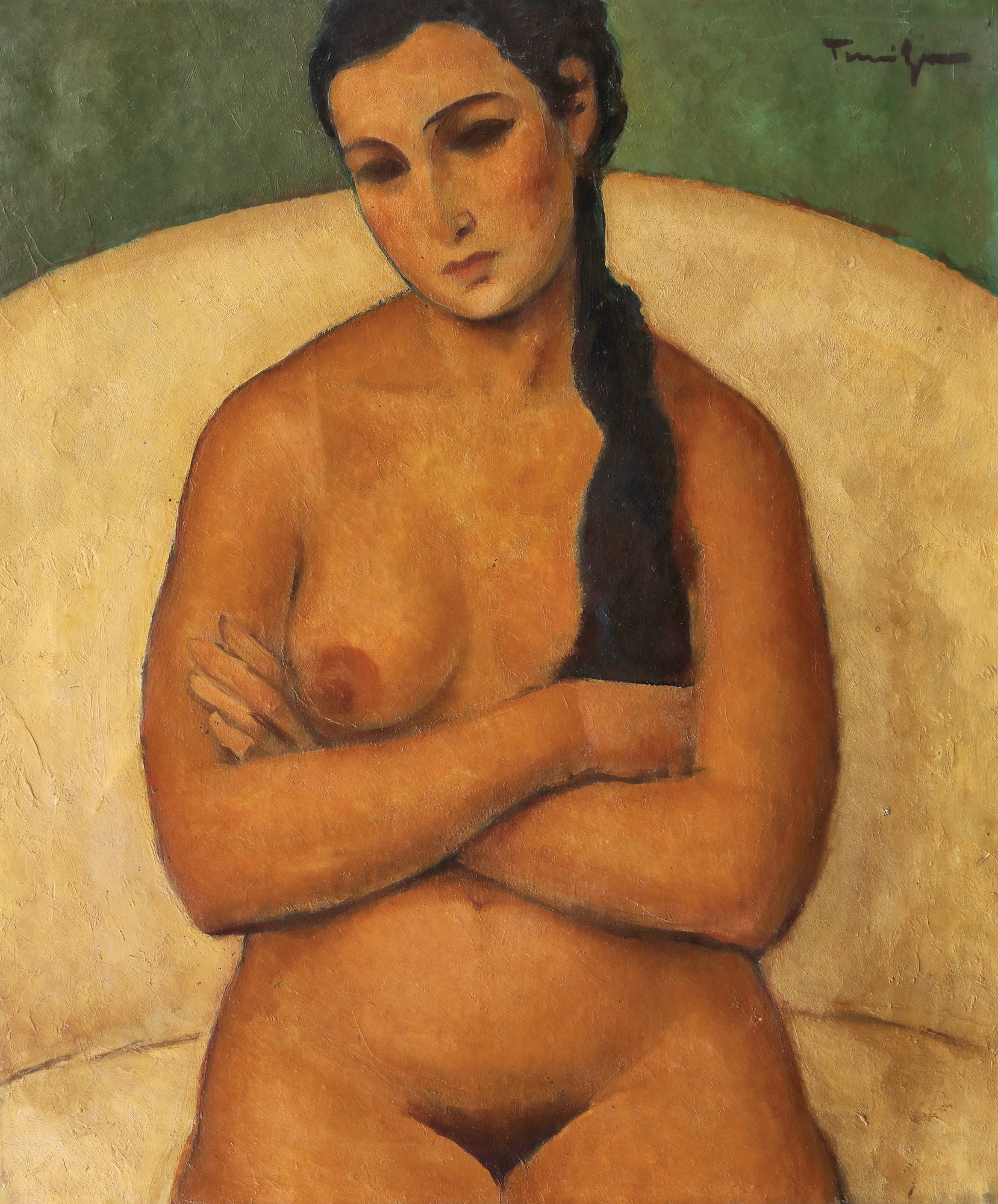
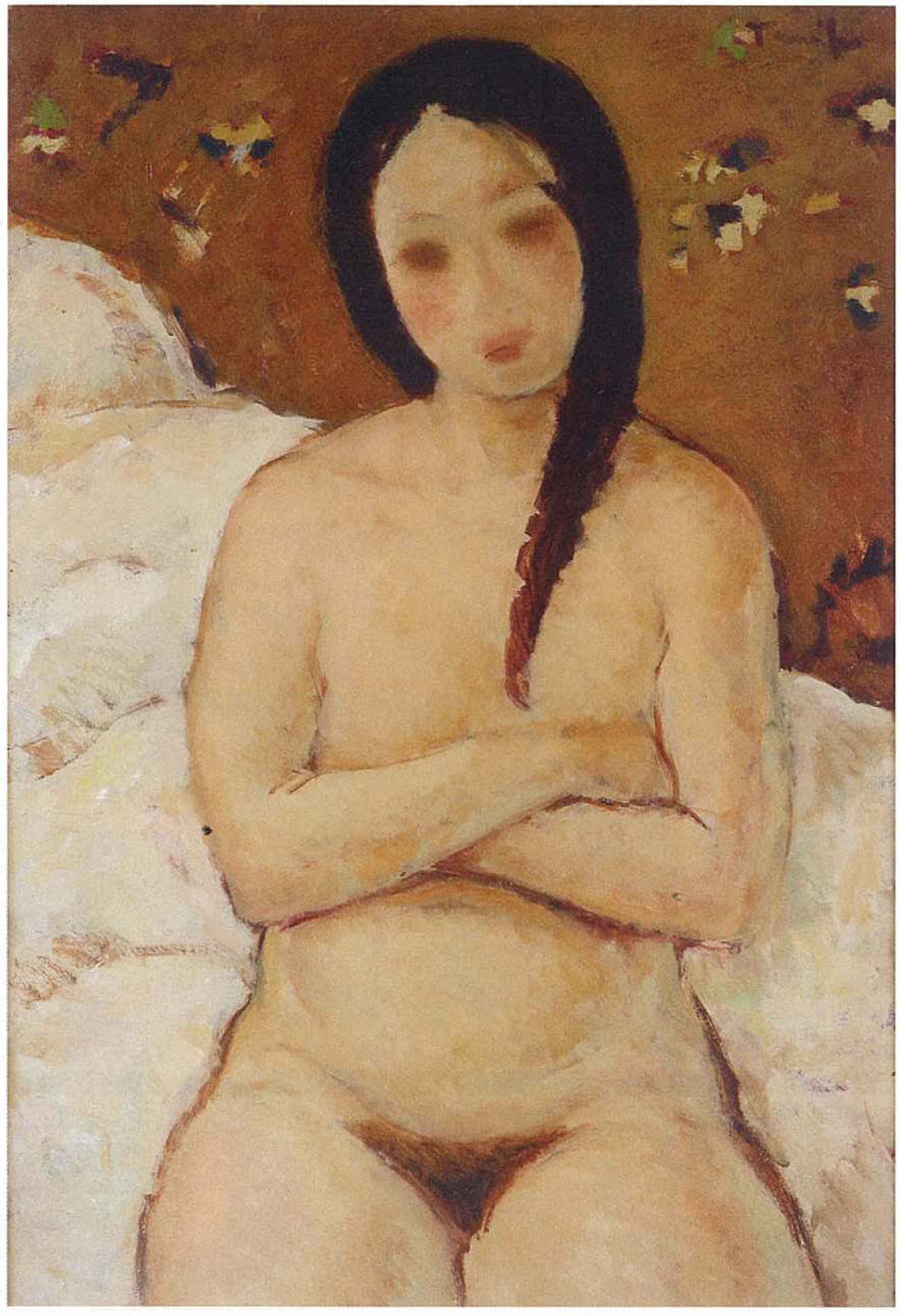
The connection of Nicolae Tonitza with national tradition is particularly mediated by the painter's encounter with Luchian's work, from which he takes the appetite for traditional chromatic. The lyrism of his own creation will also have an impact on the subjects they often opt for: women, children, flowers or landscape. Tonitza will be compared, through the nature of his work, to Daumier, Manet and Toulouse-Lautrec. The voluptuousness of forms and the grace of bodies sculpted on canvas remind of characters painted by Gauguin in Tahiti, while the long faces and almond-shaped eyes refer to the protagonists imagined by Modigliani. The nude will become a predilect theme of his creation around 1926. The nude also gets the statute of a pretext for study and the statute of a leitmotif of his work. In his theoretic texts, Tonitza acknowledges and discusses the controversy that arose around the depiction of the nude in art. From the nude depicted in overtly religious painting, to the almost paroxysmal explorations of the Renaissance, to the libertine body depicted in Mannerism or Rococo, to the over-dramatization of bodies by the romantics and realists, the representation of the female body often took the form of deities, nymphs or mythological figures. With Impressionism, however, nude female physiognomies will begin to shape the profiles of ordinary, everyday characters. Tonitza understands and takes over the transcendental sense of the subject and describes the nude as a microcosm within which the artist can deposit his entire pictorial material, all the richness of nuance and the sheer incandescence of light. The drawer's inclinations, which he will acquire especially at the Munich school, would also prove prolific in painting. He prefers to work from his memory, after he realizes a prior study after a model and always relates the plastic forms to the truth of life. The vocation for colour is lent to the grace and distinct tones of the female nude. He proposes melodious linear rhythms and surrounds them chromatically in the same way. He integrates the drawer's condescension into painting and gives a particular expressiveness to tones and shades. Tonitza makes consistent and long studies, transposes the researches in pencil and after that he adds colour, revealing his impressive analytical skills. He learns to render the proportions of the human body through recurring exercises and recomposes shapes according to his own vision. He uses large, expressive touch-lines and offers the line, the shape and the colour a constructive role. He proves the preference for plans as wide as possible, and subtle lighting effects. Tonitza captures the characters in the intimacy of their home, in the alcove, in Mangalia or Balchik. Beyond female muses from his family, other models will appear. He will paint, like many other artists, in Balchik or Dobrogea. He reveals the picturesque places and the course of the existence of the Turks on the Black Sea, but in his peregrinations he will also get acquainted with the beauty and exoticism of the Tatar women, which he will often place in the lush frescoes of Dobrogea. Sometimes he individualizes his designs, noting their names on the back of the work. Most of the time, however, he gives an intimate atmosphere and warmth to chambers. He becomes a careful observer which faithfully synthesizes the features of his music, reinterpreting them through elegant lines. He captures distinctive attitudes and offers the body a symbolic construction. His characters are often presented in a clear contrast to the background. Although he opts mostly for a neutral chromatic, he uses powerful tones and outlines in dark shades. The interest for nature and the auspices of everyday life are translated into the intimate stillness that surrounds the decorative arabesques of the line. Applying the precepts of his own creed: "Whoever lets himself be conquered by the nude and the lust of the flesh and not by the lust of painting - misses", Tonitza joins the long line of artists who eagerly sought to reproduce on canvas the results of long research on the human body, but not merely to transcribe, imitatively, the forms and voluptuousness of the model.
References
ȘORBAN, Raoul, "Tonitza", Meridiane Publishing House, Bucharest, 1973.
Florica Cruceru, Doina Păuleanu, Simona Urziceanu, "Opera lui Nicolae Tonitza în patrimoniul Muzeelor de Artă din Constanța și Topalu" ("Nicolae Tonitza's works in the patrimony of the Art Museums of Constanța and Topalu"), Bucharest, 1979.
BREZIANU, Barbu, "N.N. Tonitza", Meridiane Publishing House, Bucharest, 1986.
Dimensions
width 55 cm, height 65 cm
Description
oil on canvas, signed upper right, in brown, "Tonitza"
ADDITIONAL INFORMATION
For clarifications regarding the bidding procedure, hammer price costs, guarantee, payment, and collection terms for the winning lot, we recommend carefully reading/re-reading the Bidding Regulations.
For additional information regarding the lot and the auction, please contact the Art Consultants Department.

Detalii
The connection of Nicolae Tonitza with national tradition is particularly mediated by the painter's encounter with Luchian's work, from which he takes the appetite for traditional chromatic. The lyrism of his own creation will also have an impact on the subjects they often opt for: women, children, flowers or landscape. Tonitza will be compared, through the nature of his work, to Daumier, Manet and Toulouse-Lautrec. The voluptuousness of forms and the grace of bodies sculpted on canvas remind of characters painted by Gauguin in Tahiti, while the long faces and almond-shaped eyes refer to the protagonists imagined by Modigliani. The nude will become a predilect theme of his creation around 1926. The nude also gets the statute of a pretext for study and the statute of a leitmotif of his work. In his theoretic texts, Tonitza acknowledges and discusses the controversy that arose around the depiction of the nude in art. From the nude depicted in overtly religious painting, to the almost paroxysmal explorations of the Renaissance, to the libertine body depicted in Mannerism or Rococo, to the over-dramatization of bodies by the romantics and realists, the representation of the female body often took the form of deities, nymphs or mythological figures. With Impressionism, however, nude female physiognomies will begin to shape the profiles of ordinary, everyday characters. Tonitza understands and takes over the transcendental sense of the subject and describes the nude as a microcosm within which the artist can deposit his entire pictorial material, all the richness of nuance and the sheer incandescence of light. The drawer's inclinations, which he will acquire especially at the Munich school, would also prove prolific in painting. He prefers to work from his memory, after he realizes a prior study after a model and always relates the plastic forms to the truth of life. The vocation for colour is lent to the grace and distinct tones of the female nude. He proposes melodious linear rhythms and surrounds them chromatically in the same way. He integrates the drawer's condescension into painting and gives a particular expressiveness to tones and shades. Tonitza makes consistent and long studies, transposes the researches in pencil and after that he adds colour, revealing his impressive analytical skills. He learns to render the proportions of the human body through recurring exercises and recomposes shapes according to his own vision. He uses large, expressive touch-lines and offers the line, the shape and the colour a constructive role. He proves the preference for plans as wide as possible, and subtle lighting effects. Tonitza captures the characters in the intimacy of their home, in the alcove, in Mangalia or Balchik. Beyond female muses from his family, other models will appear. He will paint, like many other artists, in Balchik or Dobrogea. He reveals the picturesque places and the course of the existence of the Turks on the Black Sea, but in his peregrinations he will also get acquainted with the beauty and exoticism of the Tatar women, which he will often place in the lush frescoes of Dobrogea. Sometimes he individualizes his designs, noting their names on the back of the work. Most of the time, however, he gives an intimate atmosphere and warmth to chambers. He becomes a careful observer which faithfully synthesizes the features of his music, reinterpreting them through elegant lines. He captures distinctive attitudes and offers the body a symbolic construction. His characters are often presented in a clear contrast to the background. Although he opts mostly for a neutral chromatic, he uses powerful tones and outlines in dark shades. The interest for nature and the auspices of everyday life are translated into the intimate stillness that surrounds the decorative arabesques of the line. Applying the precepts of his own creed: "Whoever lets himself be conquered by the nude and the lust of the flesh and not by the lust of painting - misses", Tonitza joins the long line of artists who eagerly sought to reproduce on canvas the results of long research on the human body, but not merely to transcribe, imitatively, the forms and voluptuousness of the model.
ADDITIONAL INFORMATION
For clarifications regarding the bidding procedure, hammer price costs, guarantee, payment, and collection terms for the winning lot, we recommend carefully reading/re-reading the Bidding Regulations.
For additional information regarding the lot and the auction, please contact the Art Consultants Department.

References
ȘORBAN, Raoul, "Tonitza", Meridiane Publishing House, Bucharest, 1973.
Florica Cruceru, Doina Păuleanu, Simona Urziceanu, "Opera lui Nicolae Tonitza în patrimoniul Muzeelor de Artă din Constanța și Topalu" ("Nicolae Tonitza's works in the patrimony of the Art Museums of Constanța and Topalu"), Bucharest, 1979.
BREZIANU, Barbu, "N.N. Tonitza", Meridiane Publishing House, Bucharest, 1986.
Dimensions
width 55 cm, height 65 cm
Description
oil on canvas, signed upper right, in brown, "Tonitza"