
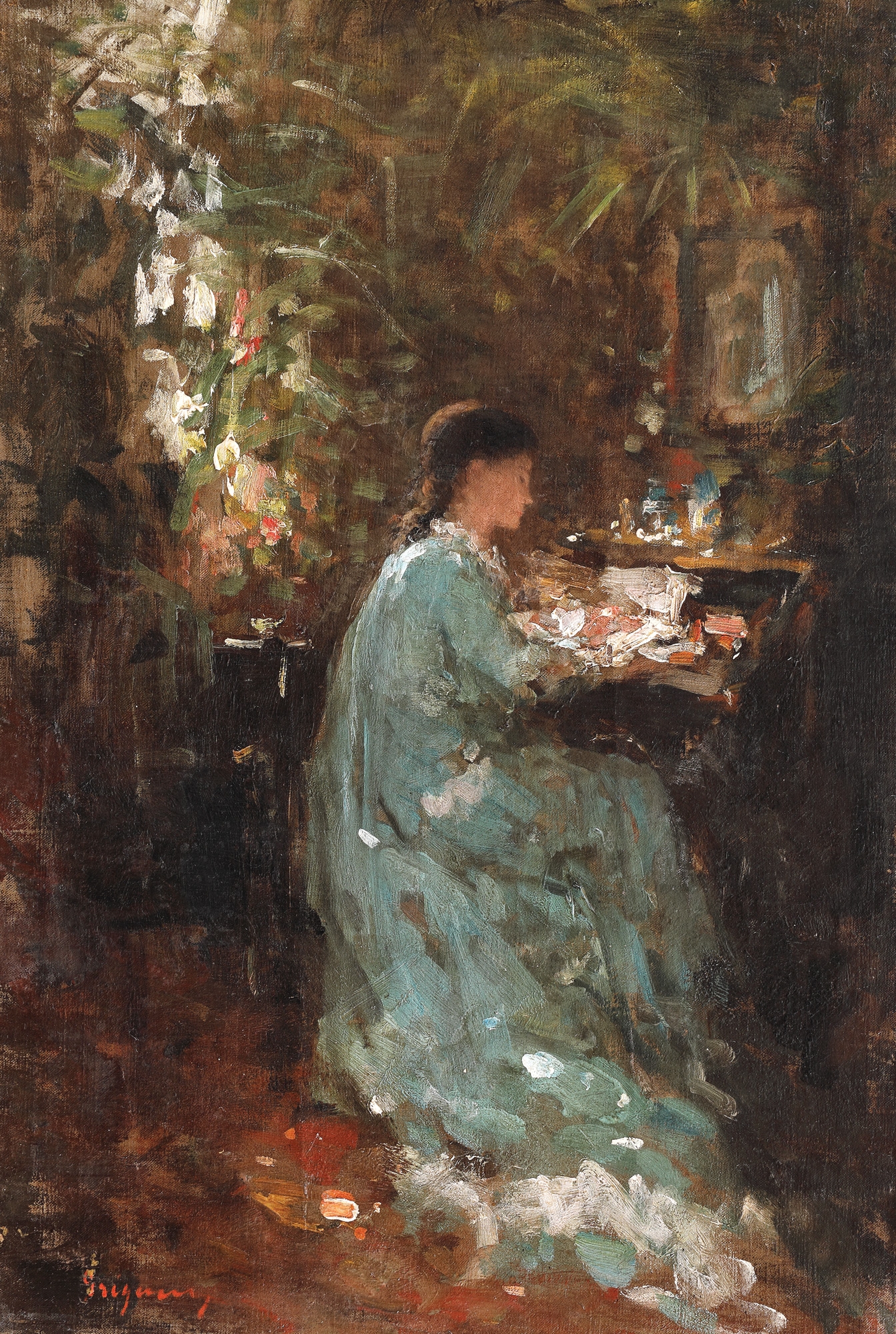
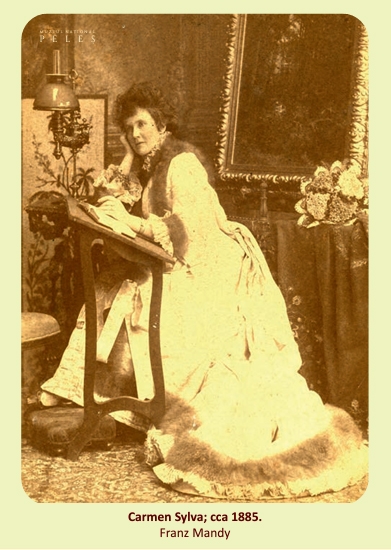
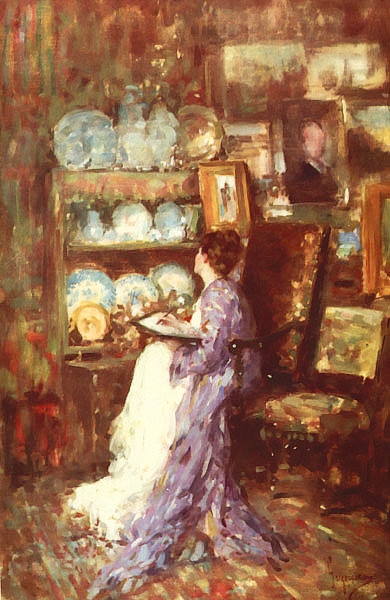
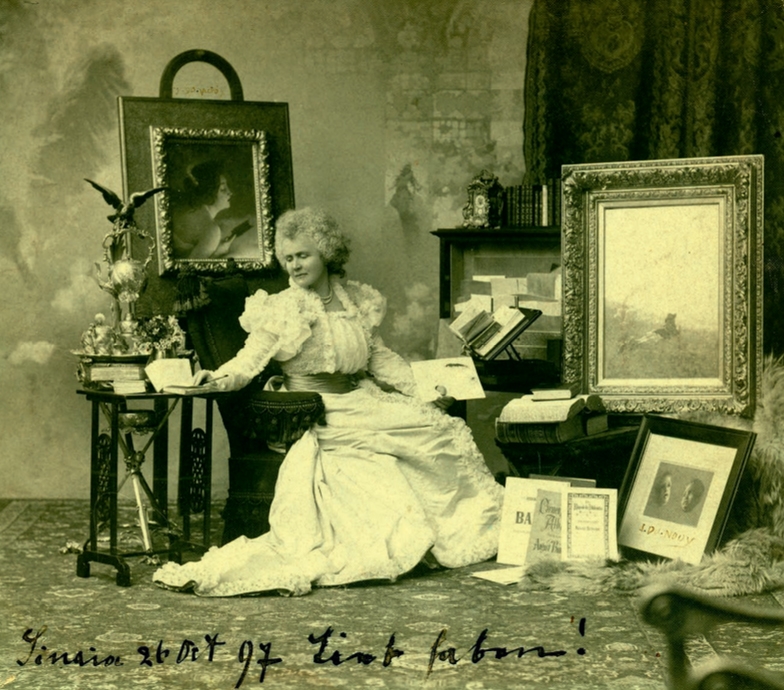
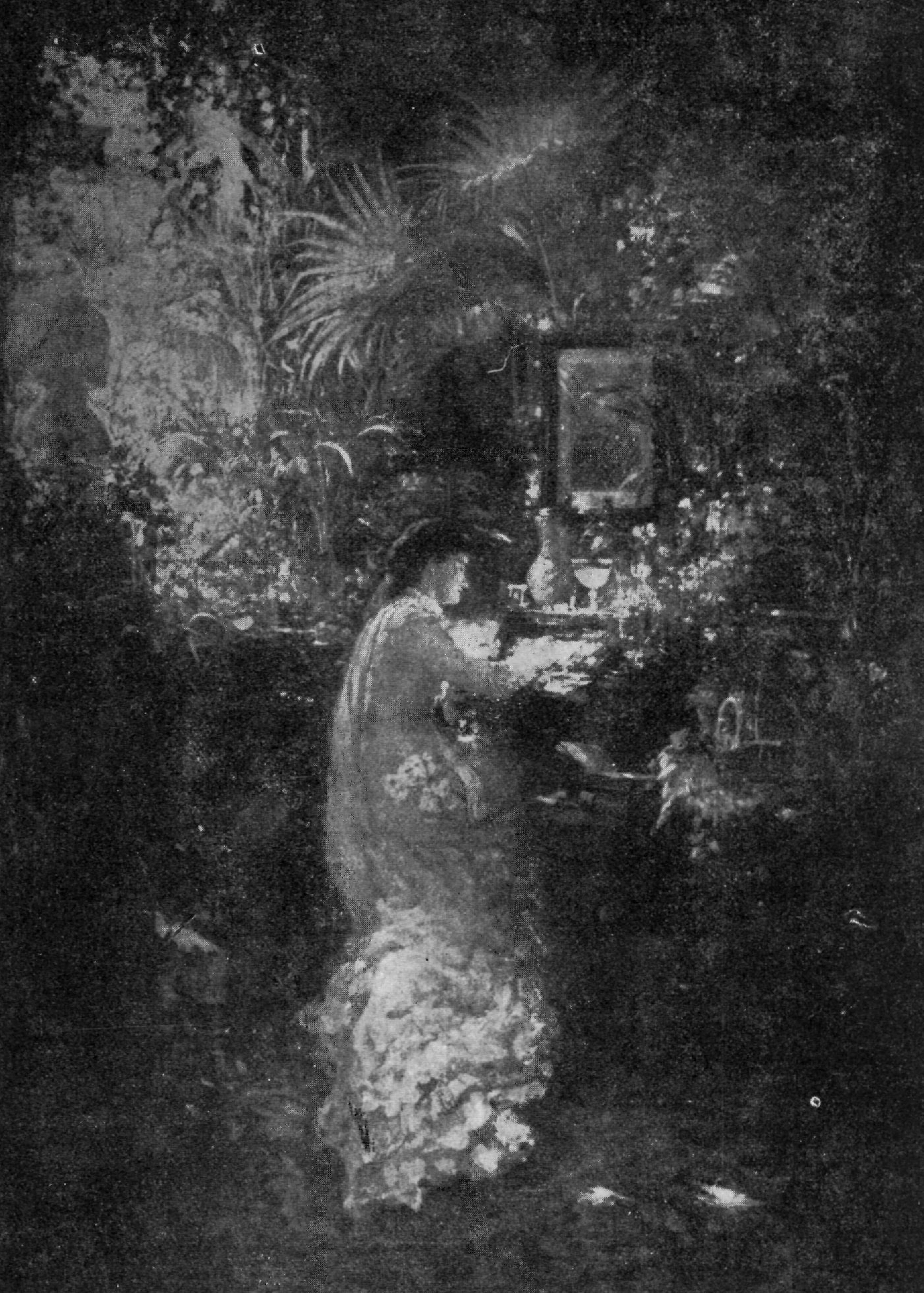
91Т. Lady Elisabeta in her Office
The photos of the lot are informative and indicative, and cannot provide a highly detailed view of the object from all angles. We recommend a careful physical inspection of the lot before bidding.
91Т. Lady Elisabeta in her Office
References
Gabriel Badea-Păun, Carmen Sylva. The Amazing Queen of Romania 1843-1916, Ed.Humanitas, Bucharest, 2003. G. Bengesco, Carmen Sylva - intimate, Librairie Félix Juven, Paris, 1905. Explanation of the works of painting and drawings, sculpture, architecture, engraving and lithography by living artists exhibited at the Palais des Champs-Elysées on May 1, 1880, Imprimerie Nationale, Paris, 1880. N.Iorga, Portraits of Romanian Ladies/Portraits des Princesses Roumaines, Commission of Historical Monuments, Bucharest, 1937. Royal Portraiture. Art and memory [exhibition catalog] by Narcis Dorin Ion coordinator, Mircea Hortopan and team, National Museum Peleș Sinaia, Magic Print Publishing, Onești, 2020. A. Vlahuță, The Painter N.I. Grigorescu His life and work, Edition of the Schools House, Socec, Bucharest, 1910.
oil on canvas, 42 x 28 cm, signed bottom left, in red, "Grigorescu"
Research information
A similar work is mentioned in the correspondence between Nicolae Grigorescu and Princess Elizabeth from 1879, correspondence included in the volume "N. Grigorescu's Correspondence", G. Oprescu, Universul Publishing, Bucharest, 1944.
PROVENANCE
The historical collection of the diplomat Viorel Tilea (1896-1972). A member of the great Transylvanian Ratiu family (attested since the 14th century), Tilea was to become an important diplomat and Romanian dignitary in the interwar period. He was nephew of the memorandist and politician Dr. Ioan Ratiu (1828-1902) and was related to the politician Ion Ratiu (1917-2000), becoming a decisive figure of the Romanian political elite in the interwar period. He began his career around the First World War, apprenticing near personalities like Iuliu Maniu or Alexandru Vaida-Voievod, to reach the peak of his career at the end of the 1930s. Between 1938 and 1940 he became plenipotentiary minister in London, therefore the ambassador of Romania to the United Kingdom, his name being linked to the "Tilea Incident", when he intervened with the Foreign Office (on March 16 and 17, 1939), warning of the danger of a possible aggression of Nazi Germany against Romania. Following this incident, Tilea lost his citizenship in September 1940, when he asked for political asylum in the UK. Later, the citizenship meanwhile offered back by King Michael was withdrawn a second time by the communist state, being considered an enemy of the state due to his actions in exile (founding member of the Free Romanian Movement).
For clarifications regarding the bidding procedure, hammer price costs, guarantee, payment, and collection terms for the winning lot, we recommend carefully reading/re-reading the Bidding Regulations.
For additional information regarding the lot and the auction, please contact the Art Consultants Department.
Similar lots