Снимките на лота са с информативен и илюстративен характер и не могат да предоставят изключително детайлен изглед на обекта от всички ъгли. Препоръчваме внимателен оглед на лота на място, преди да направите наддаване.
Снимките на лота са с информативен и илюстративен характер и не могат да предоставят изключително детайлен изглед на обекта от всички ъгли. Препоръчваме внимателен оглед на лота на място, преди да направите наддаване.
57. Petru Movilă's "Evanghelia" (Evanghelion) ("The Gospel"), Slavic, Liov, 1636, very rare collectible piece
Начална цена
Pretul de pornire si cel estimat nu sunt preturi de vanzare efective
EUR 3.500
Продадено
Pretul de pornire si cel estimat nu sunt preturi de vanzare efective
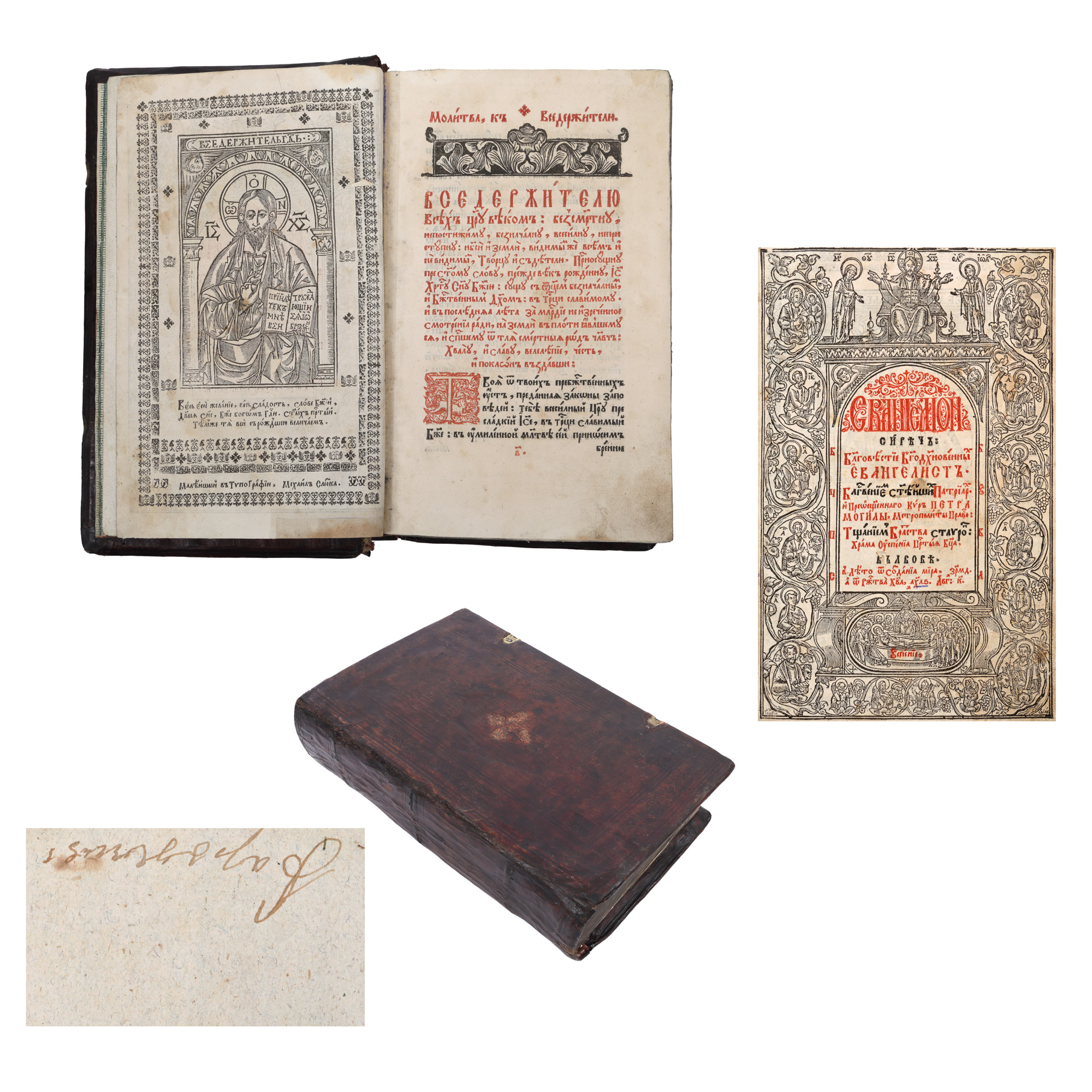
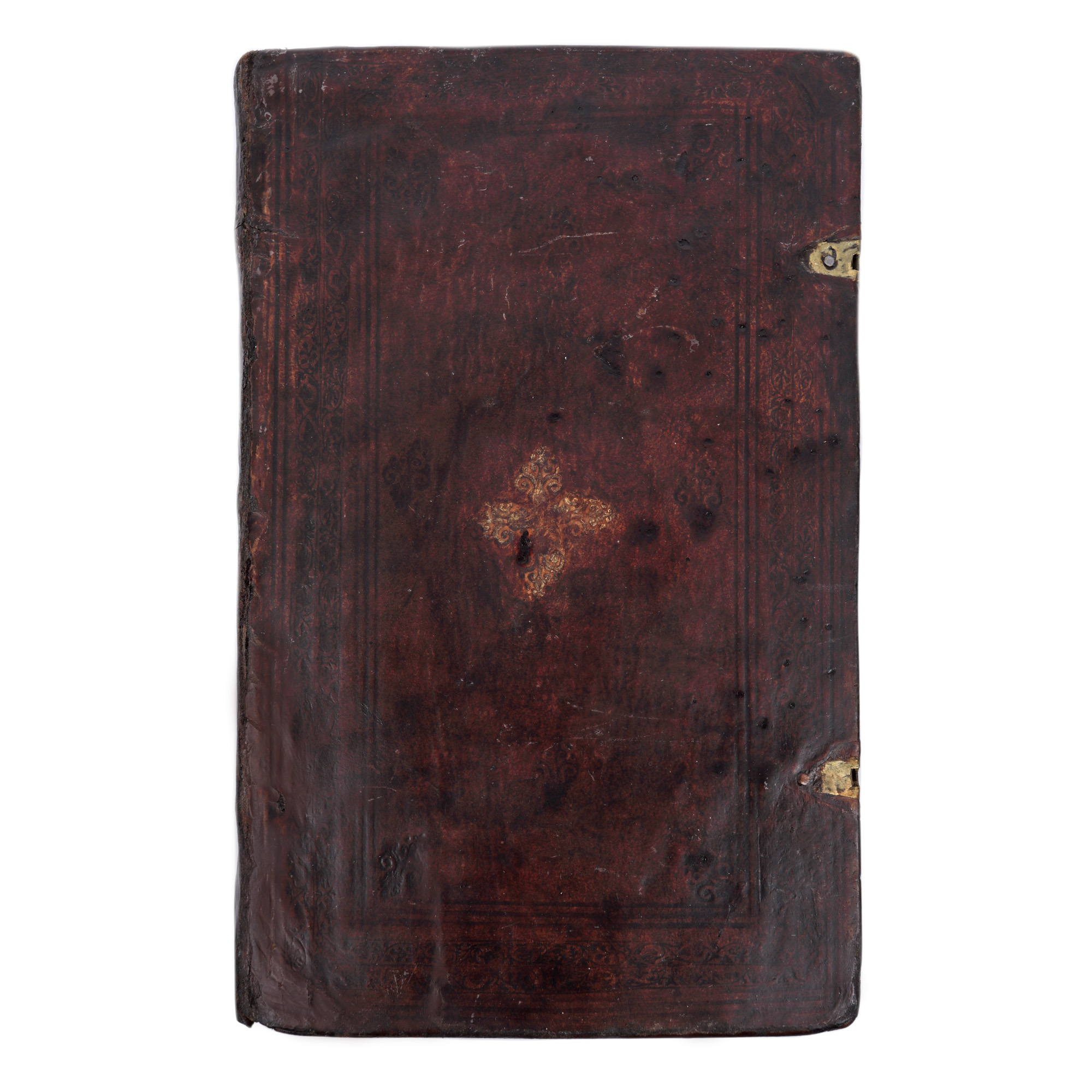
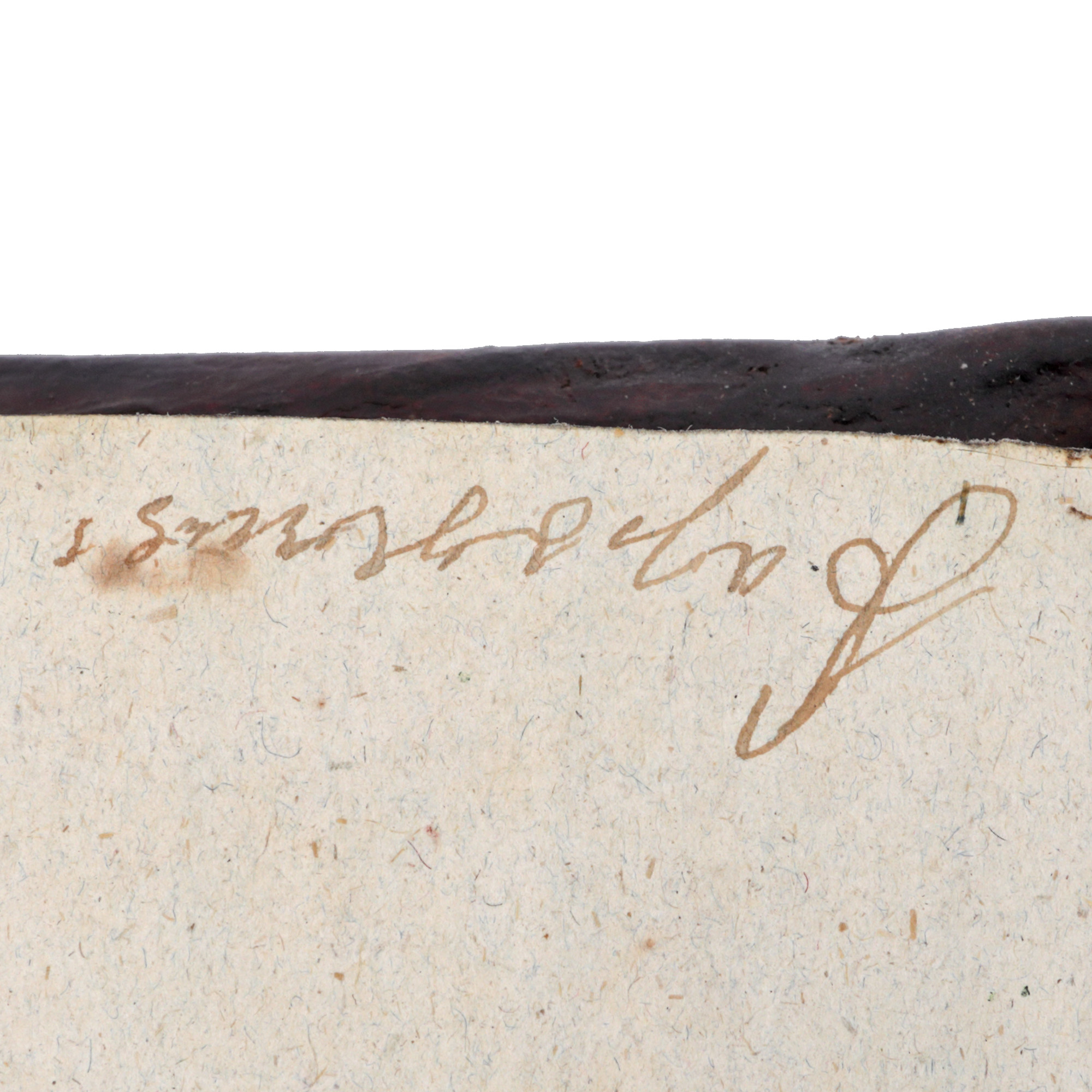
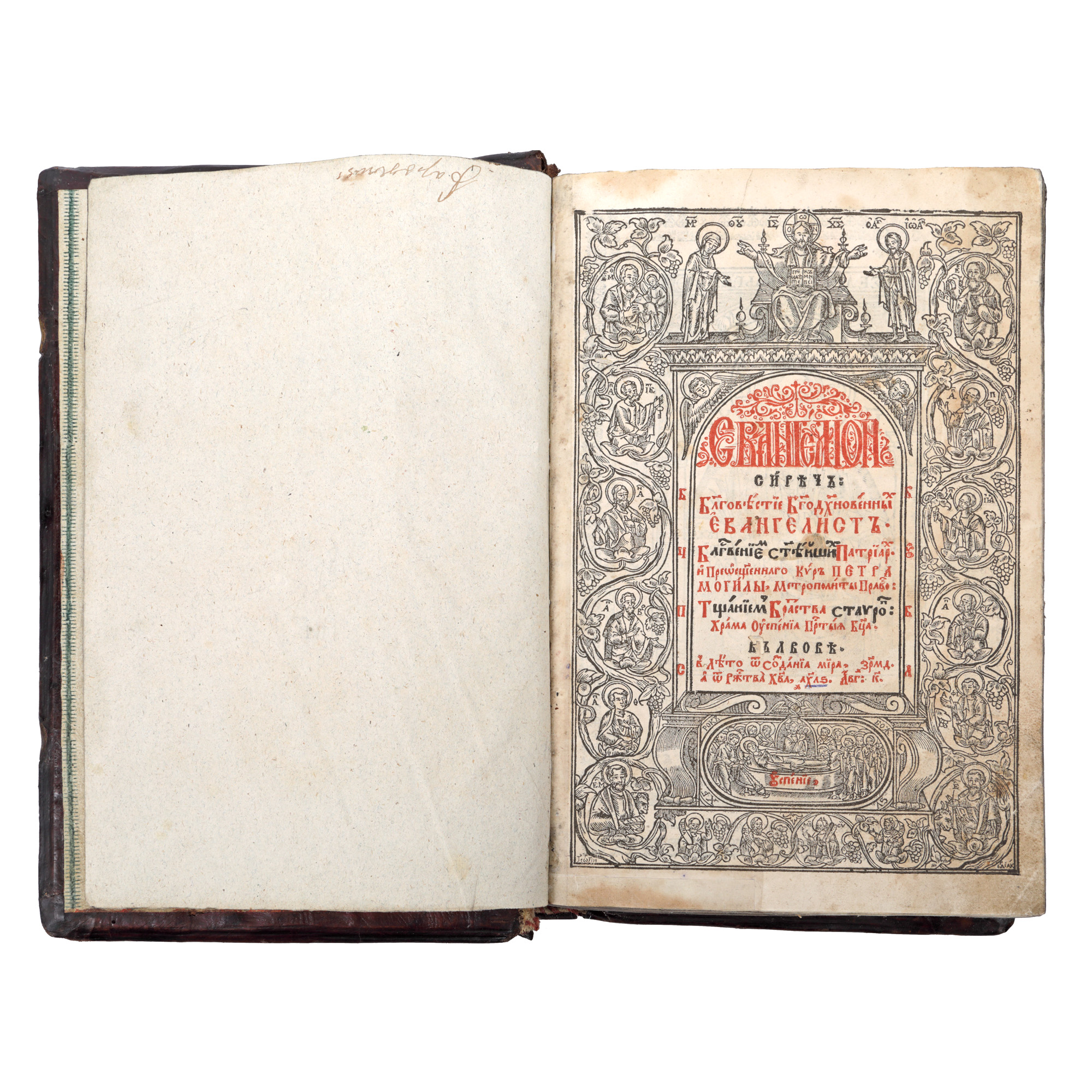
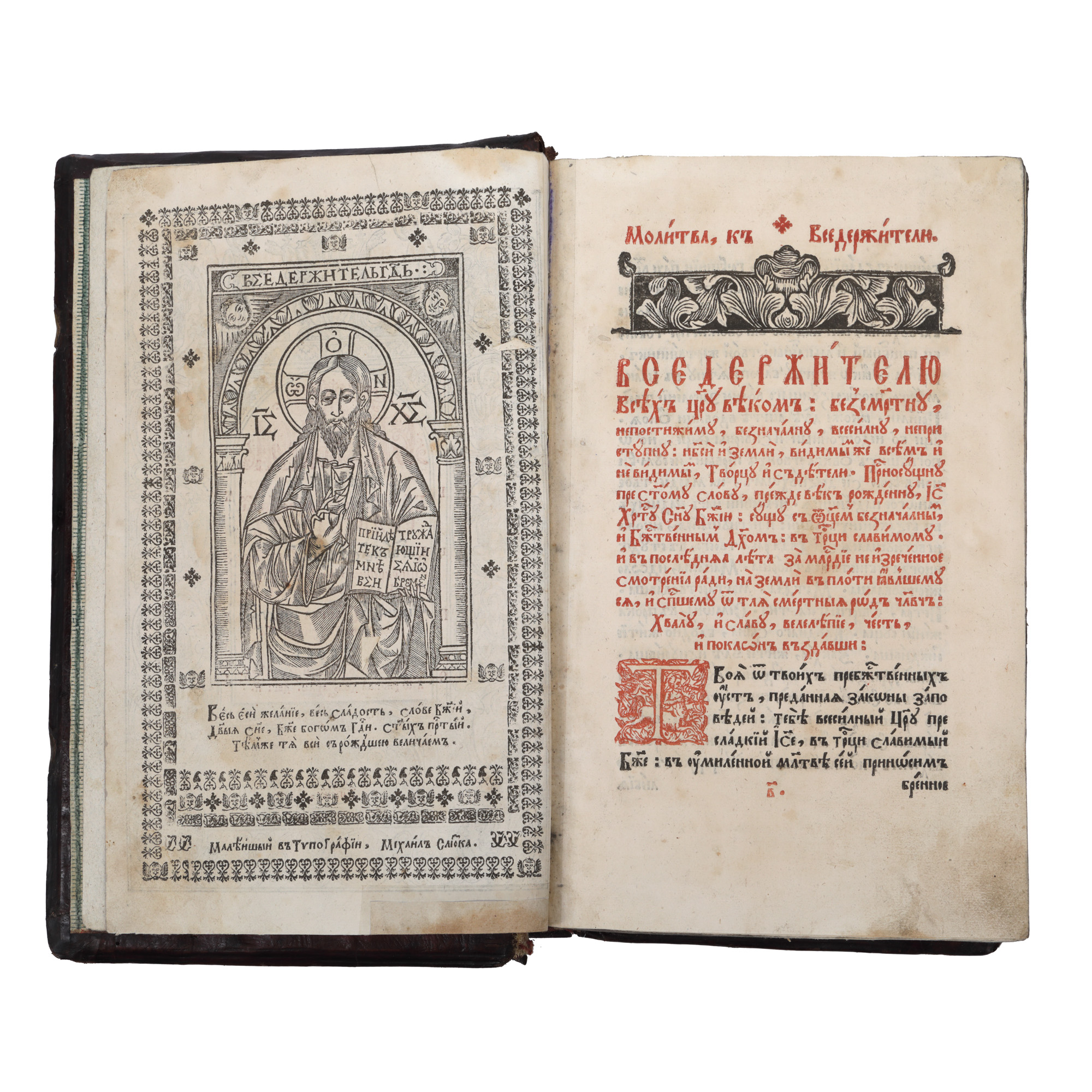
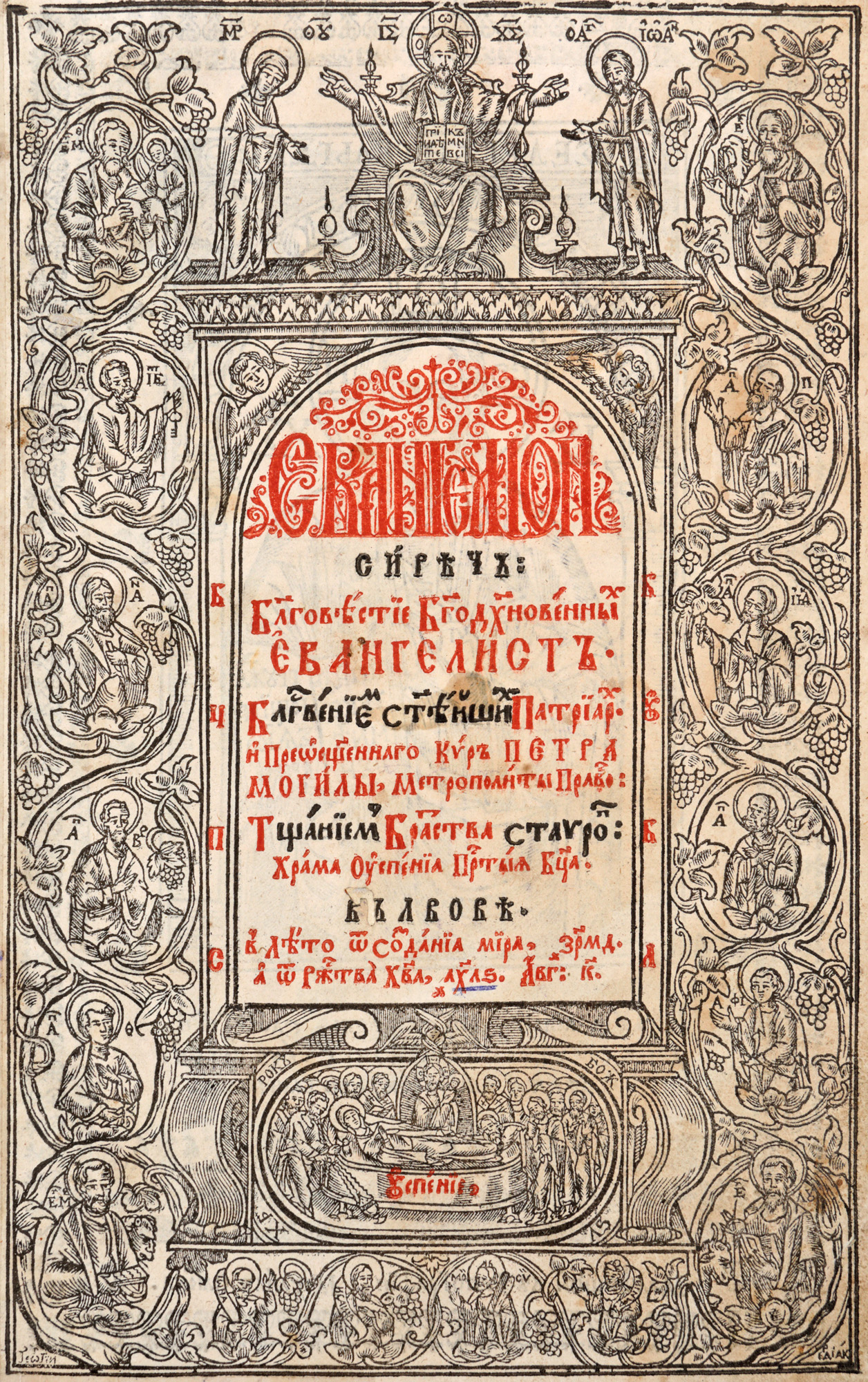
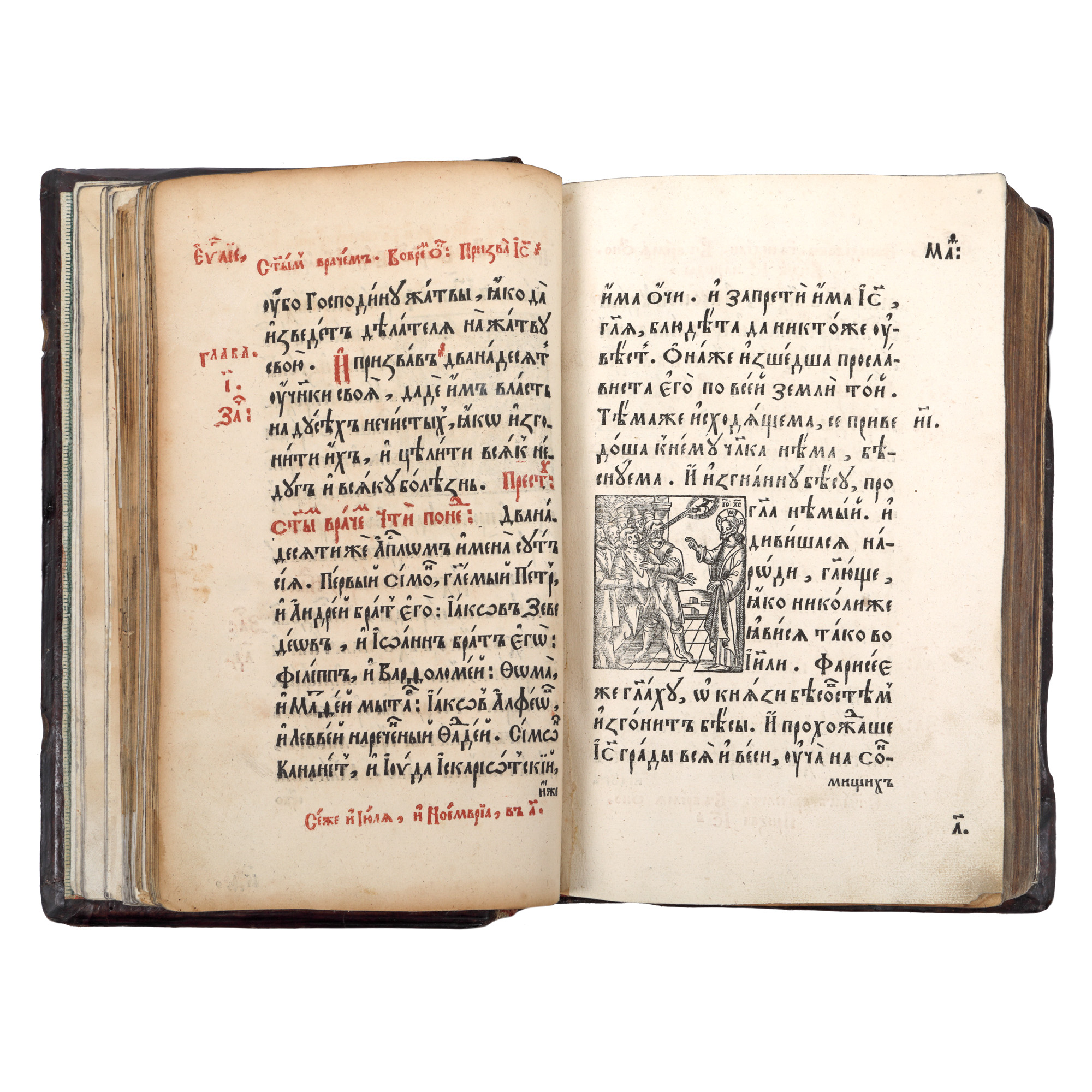
The Gospel’s binding is made of massive wooden plates, blunted at the edges, wrapped in brown ornate leather on both covers, with a border of floral vines, and, in the central area of the first cover, with four other stylised gold-plated vines, placed in the shape of a cross. The cover also retains two strap binds, made of metal and leather. The in folio copy is complete, having: 12 + 412 + 3 sheets. The first and last sheets are not numbered. The sheets of the gospel book’s text proper are numbered in the lower right-hand corner, from 1 to 412. The pages are printed in capital letters, in black and red, the text is placed in one column, and it contains marginal type indications and insets of the kind later used in Varlaam’s Homily, as well. The content of the book is the same as that of the other editions published in the Orthodox East. What individualises this edition are the introductory words and Petru Movilă’s preface. Petru Movilă’s gospel is a graphic art work, as the text is enriched with engravings, frontispieces, initials, and vignettes. Obviously, the most valuable and most nteresting are the book’s engravings. First of all, the engravings of the title page and those with the representation of the evangelists. The engraving of the title page is imposing, illustrating the founders of the Cristian Church; in the upper part - Jesus Christ with the Holy Mother and St. John on his sides, in lateral cameos, between vines and grapes, the faces of the evangelists and of the apostles, and in the lower part - the Assumption scene and the faces of four prophets. The plate of this engraving was wrought by Hierodeacon George and dated 1636. On the back of the title page there is no coat of arms, instead the portrait of Jesus Christ the Teacher, and, in the lower part, the name of the book’s printer, Mihail Sliușca. The large engravings, with the representation of the evangelists (on sheets 1, 113, 183 and 300) are, without any exaggeration, superb, just like the sheets with the start of the evangelical texts, decorated with baroque frontispieces and initials with drawings from history. Another 60 engravings illustrate the remaining book sheets. Noteworthy, due to the novelty of the theme, as well as due to the craftsmanship, are the scenes depicting the Wedding of Cana in Galilee (with the water turned into wine, on page 305), the Crucifixion of the Lord (on page 374, signed by Hierodeacon George and dated 1636) and those illustrating the Prodigal Son (on pages 254 and 255). Also of interest is the fact that, over the following years, Petru Movilă supported the establishment of the printing house in Wallachia, and the goods needed for the printing house also included the plate engraved with the final scene, which was used to illustrate the Romanian Homilies published at Govora Monastery in 1642 and at Dealu Monastery in 1644. No data of documentary and historical interest on the use of this copy during the course of the 17th century has been preserved. The oldest note on the book is of matrimonial interest; it certifies that, in 1744, the Gospel as in the Cluj area, in the locality Boiu or in one of the neighbouring villages. In 1821, the book was used in the area of Sătmar, and the clerical Alexandru Cărăbăț from Bixad signed on it. The matters presented above undeniably certify to a monument of literature and graphical art, and Petru Movilă’s Gospel Book joins the published books representative for the Romanian Humanism.
Размери
width 21 cm, height 32 cm
ДОПЪЛНИТЕЛНА ИНФОРМАЦИЯ
За разяснения относно процедурата по наддаване, разходите при спечелване, условията за гаранция, плащане и вземане на спечеления лот, препоръчваме внимателно четене/препрочитане на Правилника за наддаване.
The Gospel’s binding is made of massive wooden plates, blunted at the edges, wrapped in brown ornate leather on both covers, with a border of floral vines, and, in the central area of the first cover, with four other stylised gold-plated vines, placed in the shape of a cross. The cover also retains two strap binds, made of metal and leather. The in folio copy is complete, having: 12 + 412 + 3 sheets. The first and last sheets are not numbered. The sheets of the gospel book’s text proper are numbered in the lower right-hand corner, from 1 to 412. The pages are printed in capital letters, in black and red, the text is placed in one column, and it contains marginal type indications and insets of the kind later used in Varlaam’s Homily, as well. The content of the book is the same as that of the other editions published in the Orthodox East. What individualises this edition are the introductory words and Petru Movilă’s preface. Petru Movilă’s gospel is a graphic art work, as the text is enriched with engravings, frontispieces, initials, and vignettes. Obviously, the most valuable and most nteresting are the book’s engravings. First of all, the engravings of the title page and those with the representation of the evangelists. The engraving of the title page is imposing, illustrating the founders of the Cristian Church; in the upper part - Jesus Christ with the Holy Mother and St. John on his sides, in lateral cameos, between vines and grapes, the faces of the evangelists and of the apostles, and in the lower part - the Assumption scene and the faces of four prophets. The plate of this engraving was wrought by Hierodeacon George and dated 1636. On the back of the title page there is no coat of arms, instead the portrait of Jesus Christ the Teacher, and, in the lower part, the name of the book’s printer, Mihail Sliușca. The large engravings, with the representation of the evangelists (on sheets 1, 113, 183 and 300) are, without any exaggeration, superb, just like the sheets with the start of the evangelical texts, decorated with baroque frontispieces and initials with drawings from history. Another 60 engravings illustrate the remaining book sheets. Noteworthy, due to the novelty of the theme, as well as due to the craftsmanship, are the scenes depicting the Wedding of Cana in Galilee (with the water turned into wine, on page 305), the Crucifixion of the Lord (on page 374, signed by Hierodeacon George and dated 1636) and those illustrating the Prodigal Son (on pages 254 and 255). Also of interest is the fact that, over the following years, Petru Movilă supported the establishment of the printing house in Wallachia, and the goods needed for the printing house also included the plate engraved with the final scene, which was used to illustrate the Romanian Homilies published at Govora Monastery in 1642 and at Dealu Monastery in 1644. No data of documentary and historical interest on the use of this copy during the course of the 17th century has been preserved. The oldest note on the book is of matrimonial interest; it certifies that, in 1744, the Gospel as in the Cluj area, in the locality Boiu or in one of the neighbouring villages. In 1821, the book was used in the area of Sătmar, and the clerical Alexandru Cărăbăț from Bixad signed on it. The matters presented above undeniably certify to a monument of literature and graphical art, and Petru Movilă’s Gospel Book joins the published books representative for the Romanian Humanism.
ДОПЪЛНИТЕЛНА ИНФОРМАЦИЯ
За разяснения относно процедурата по наддаване, разходите при спечелване, условията за гаранция, плащане и вземане на спечеления лот, препоръчваме внимателно четене/препрочитане на Правилника за наддаване.