Снимките на лота са с информативен и илюстративен характер и не могат да предоставят изключително детайлен изглед на обекта от всички ъгли. Препоръчваме внимателен оглед на лота на място, преди да направите наддаване.
Снимките на лота са с информативен и илюстративен характер и не могат да предоставят изключително детайлен изглед на обекта от всички ъгли. Препоръчваме внимателен оглед на лота на място, преди да направите наддаване.
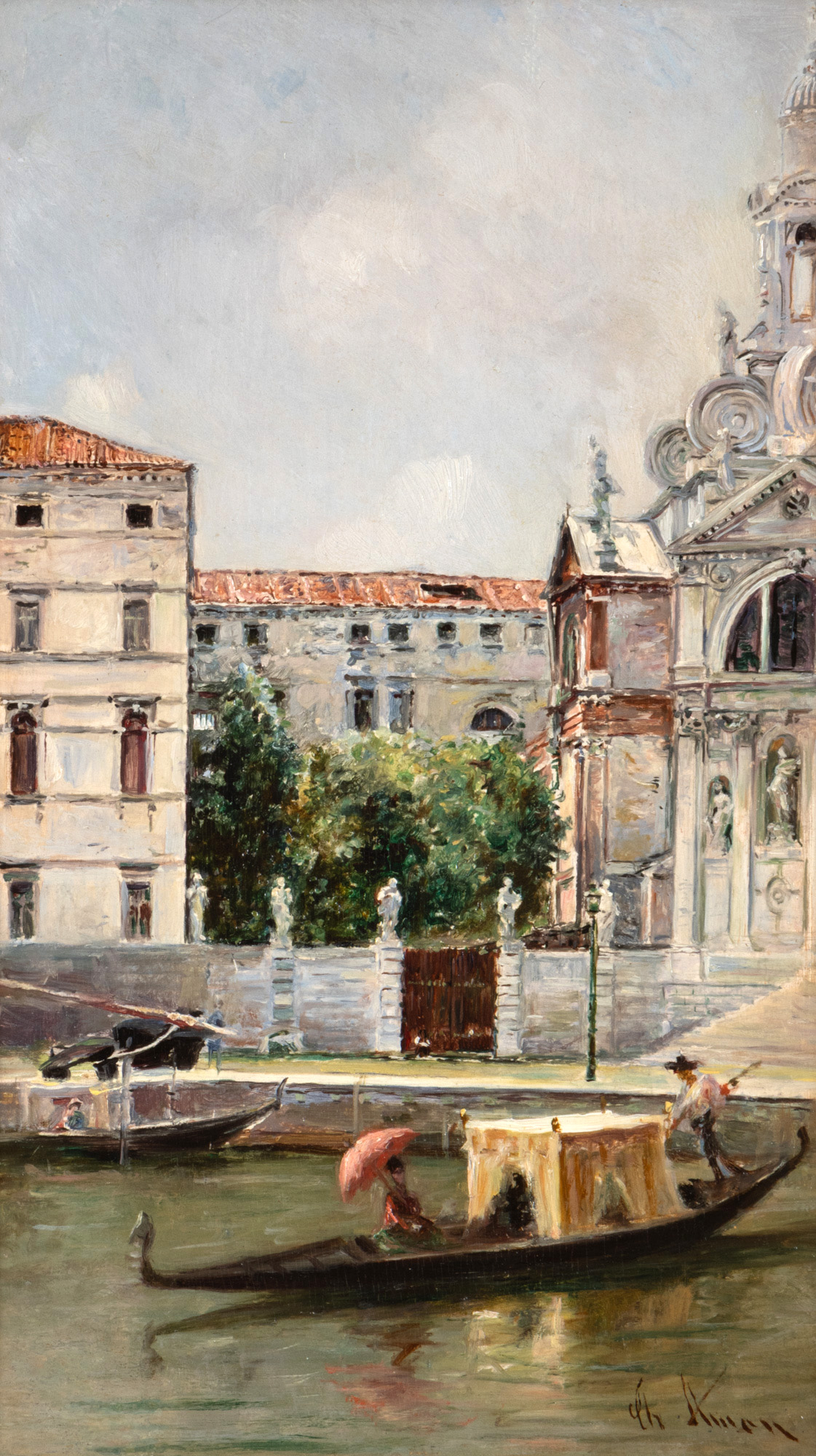
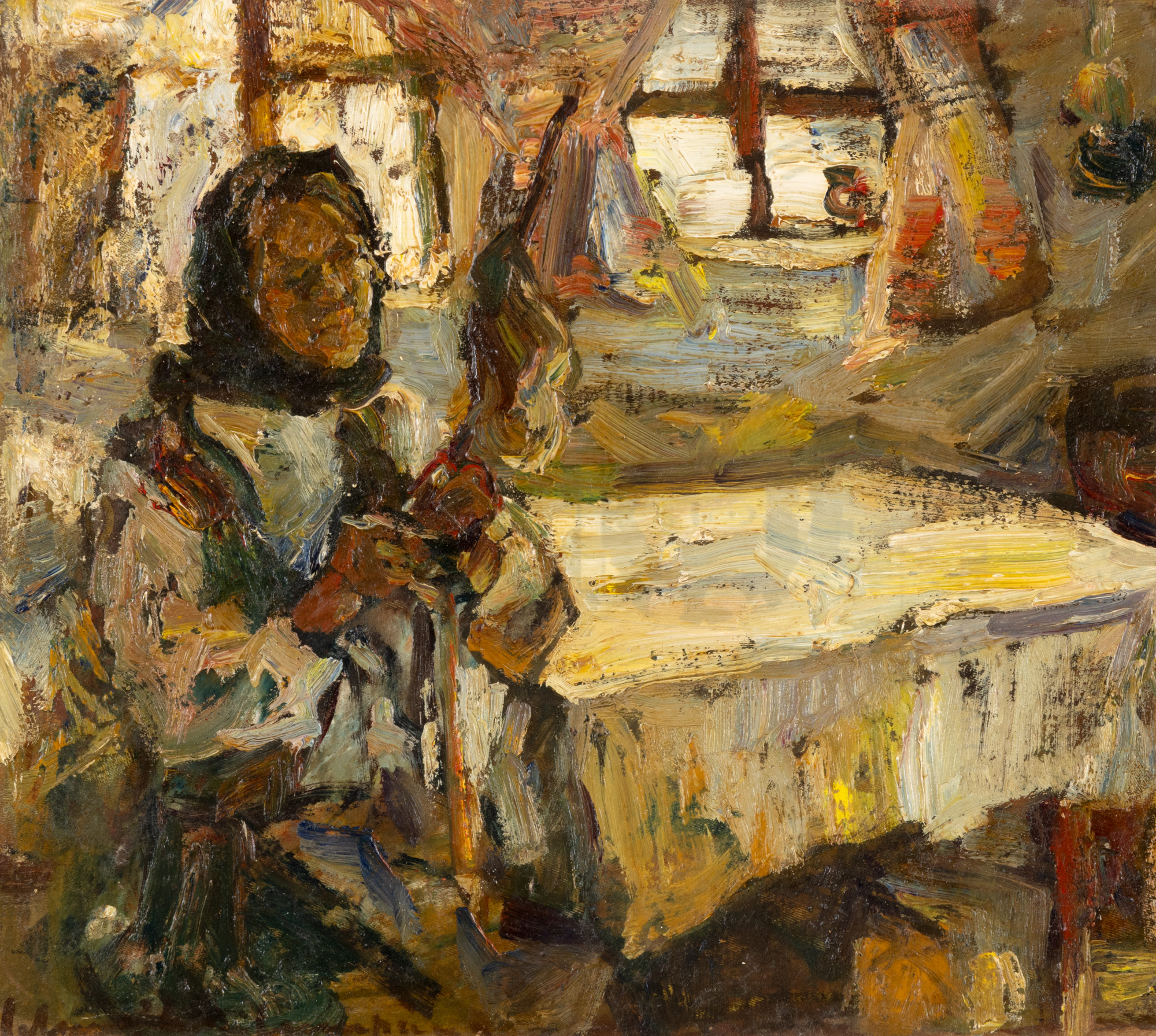
From the last decade of Aman's life, we receive a series of works that, under the light of contemporaneity, truly reveal their documentary importance. An evident evolution can be identified even after 1870 when Aman started to finish works in the studio, to compose works of considerable size, on deeply thought themes, and even to show a considerable interest in the issues raised by plein-air. The sketch from nature will become one of the most profound practices, a procedure that brought changes even in the drawing, which, under the new auspices, became much freer, the product of a much more confident hand. Thus, Aman, who was not to give up genre painting, but managed to introduce the landscape into those compositions, began to devote a significant part of his concerns to the landscape. Even if the study trips were no longer at hand like in his youth, considering the work he was doing at the School of Fine Arts, organizing artistic life, but also the financial hardships that were to grind him towards the end of his life, Aman managed on any occasion to paint landscape, in a realistic manner, with rare incursions into the classical language of genre scenes. Sinaia will be the one to cause his main painting experiments in the landscape, the works presenting views of the mountain town being known. The small wood panel in question gives us the opportunity to enrich the imaginary universe of the painter, introducing us right into these works created under the influence of the landscape. In this case, this importance is easily carried by the picturesque visual, a view from Venice being universally recognizable, but no less attractive, especially at the end of the 19th century. The trip to Venice, however, came in a bleak context for Aman. It was the year 1884, a year of great trials for the painter's career and even health. In March of that year, the School of Fine Arts was consumed by flames, archives, studies, engravings, paintings, and the entire collection of the institution being destroyed. He was forced to mortgage his home-studio, the money made from sales or orders being too little, and the state not helping him at all with financial needs. However, from the money made from mortgaging his own house, Aman allowed himself a trip to Paris, where he visited the Official Salon, the Meissonier and Munkacsy exhibitions, and saw old friends. Venice appeared in Theodor Aman's itinerary on the way back, when he also visited Turin and Milan.
The specifications of the support, namely the small dimensions (typical dimensions of 24 x 14 cm) of the wood panel entitle us to consider that the work was painted right then, in front of the motif, a practice that Aman used in that last decade of life.
Размери
width 14.5 cm, height 24 cm
Описание
oil on wood, signed lower right, in brown, "Th. Aman"
Информация от изследване
The work was completed during the stay in the spring of 1884, when, returning from Paris, he made a short trip through Turin, Venice and Milan.
Запознанства
1884
ДОПЪЛНИТЕЛНА ИНФОРМАЦИЯ
За разяснения относно процедурата по наддаване, разходите при спечелване, условията за гаранция, плащане и вземане на спечеления лот, препоръчваме внимателно четене/препрочитане на Правилника за наддаване.
From the last decade of Aman's life, we receive a series of works that, under the light of contemporaneity, truly reveal their documentary importance. An evident evolution can be identified even after 1870 when Aman started to finish works in the studio, to compose works of considerable size, on deeply thought themes, and even to show a considerable interest in the issues raised by plein-air. The sketch from nature will become one of the most profound practices, a procedure that brought changes even in the drawing, which, under the new auspices, became much freer, the product of a much more confident hand. Thus, Aman, who was not to give up genre painting, but managed to introduce the landscape into those compositions, began to devote a significant part of his concerns to the landscape. Even if the study trips were no longer at hand like in his youth, considering the work he was doing at the School of Fine Arts, organizing artistic life, but also the financial hardships that were to grind him towards the end of his life, Aman managed on any occasion to paint landscape, in a realistic manner, with rare incursions into the classical language of genre scenes. Sinaia will be the one to cause his main painting experiments in the landscape, the works presenting views of the mountain town being known. The small wood panel in question gives us the opportunity to enrich the imaginary universe of the painter, introducing us right into these works created under the influence of the landscape. In this case, this importance is easily carried by the picturesque visual, a view from Venice being universally recognizable, but no less attractive, especially at the end of the 19th century. The trip to Venice, however, came in a bleak context for Aman. It was the year 1884, a year of great trials for the painter's career and even health. In March of that year, the School of Fine Arts was consumed by flames, archives, studies, engravings, paintings, and the entire collection of the institution being destroyed. He was forced to mortgage his home-studio, the money made from sales or orders being too little, and the state not helping him at all with financial needs. However, from the money made from mortgaging his own house, Aman allowed himself a trip to Paris, where he visited the Official Salon, the Meissonier and Munkacsy exhibitions, and saw old friends. Venice appeared in Theodor Aman's itinerary on the way back, when he also visited Turin and Milan.
The specifications of the support, namely the small dimensions (typical dimensions of 24 x 14 cm) of the wood panel entitle us to consider that the work was painted right then, in front of the motif, a practice that Aman used in that last decade of life.
ДОПЪЛНИТЕЛНА ИНФОРМАЦИЯ
За разяснения относно процедурата по наддаване, разходите при спечелване, условията за гаранция, плащане и вземане на спечеления лот, препоръчваме внимателно четене/препрочитане на Правилника за наддаване.