
Meniu

Продай / Продай
Контакт
Моят профил
Български

Открийте

Арт консултанти

Отдели търгове


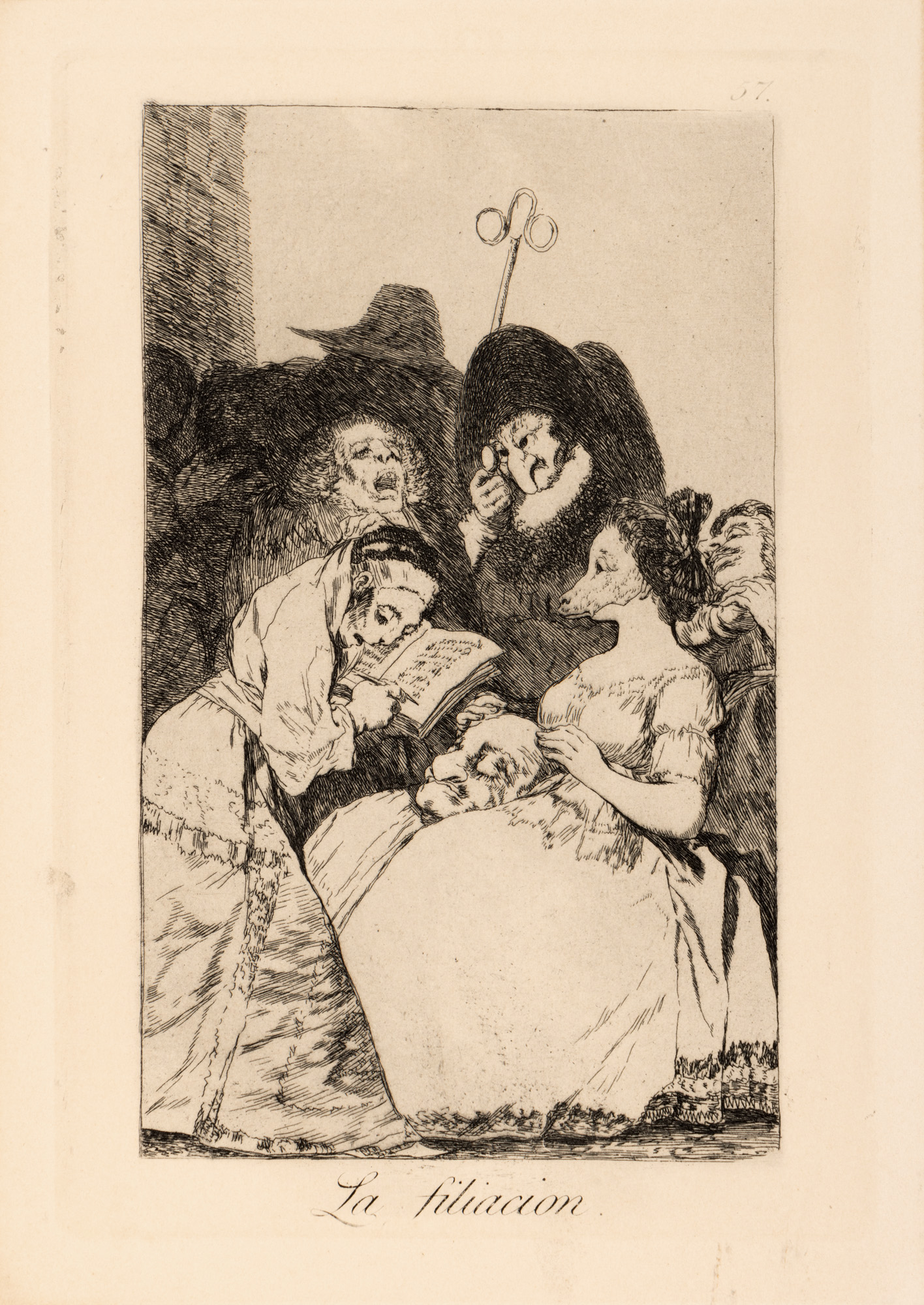
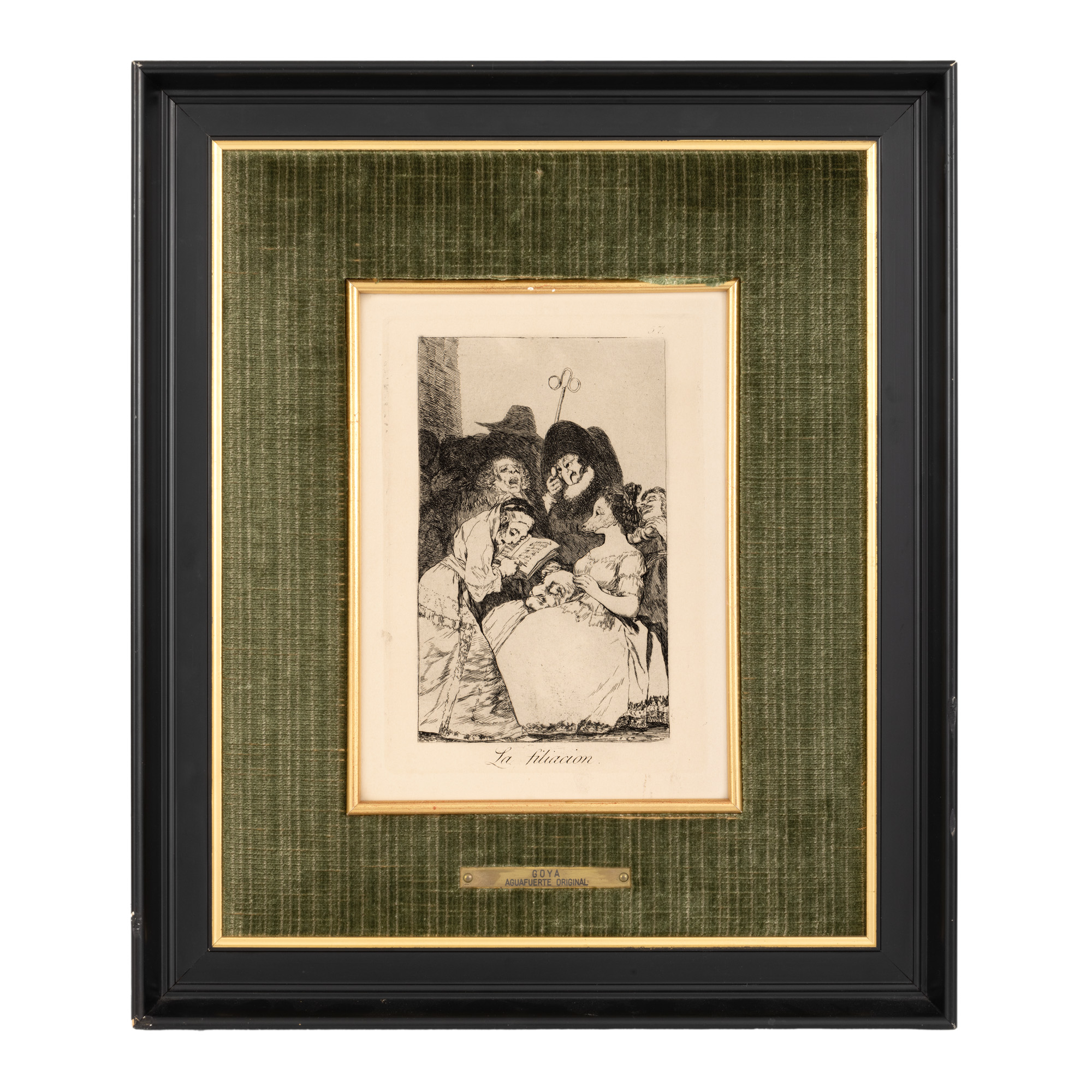
85. Engagement ("The Affiliation"; Caprice no. 57), engraving received as a gift by Nicolae Ceaușescu from the king of Spain, Juan Carlos I of Bourbon

1746, Fuendetodos, Spain - 1828, Bordeaux, France

Оценка

EUR 8.000 - 15.000

Продадено

EUR 18.000

Сесия

Вто, 16 декември 2025 17:00

Francisco Goya's art asserts itself as unique in its time, separate from the immediate past trends and without close successors. It is the phenomenon that philosopher Ortega y Gasset called the Spanish "Adamism": Goya is among these Adams, who is creating his work as if in a new world start. He is a versatile artist, producing numerous canvases, engravings, and drawings, his style being marked by emotional sarcasm and realism. Between court painting, relentless observation of social reality, and visionary exploration of nightly imagination, Goya manages to create an inimitable creative corpus. A fundamental aspect of his creation, developed in the 1790s, is the cycles and series of images, where the artist develops moral, political or symbolic themes with a visual freedom that transcends traditional narrative conventions. For the major series of engravings - "Los Caprichos", "Los Desastres de la guerra", "La Tauromaquia and Los Disparates" - Goya uses combined engraving techniques, with strong and decisive lines, to build visual narratives about the human condition. Among these series, in "Los Caprichos", created between 1797 and 1799, the artist presents the relationship between human being and society, filtered through the observation of a tough moralist. Goya's "Caprices" are part of the ridicule and exaggeration of the flaws of late 18th century Spanish society, but not necessarily comical essence but rather a note indicating the subtle perspicacity with which the author highlights and moralizes human characters and expressions. The cycle structure is complex and layered. The first part presents realistic scenes that take on a satirical note, starting from critical observation of society in the late 1790s. The second part introduces symbolism and allegory, using animals - especially donkeys - to suggest the ethical degradation of the community. With a strong moral sense, deriving from the people, it puts on canvas, in symbolic form, the materialism, falsity and corruption of the Spanish society in which he lived. The third part, dominated by dreamlike, phantasmagoric images with witches and night rituals, expresses the artist's famous idea: "the sleep of reason produces monsters". The entire cycle works as a polyphonic interpretation of human and social evil, where the grotesque becomes an instrument of moral analysis. Thus, the series becomes a moral and critical instrument, a form of observing human typologies, vices, and corrupt social structures. The present work, "The Betrothal", falls into the first part of the satirical register of manners scenes and belongs to the same aesthetic and moral logic. Here, Goya suggests the unmasking of social hypocrisy by exaggerating the expressions of the characters in a composition that highlights the ridiculous and the corruption of human relationships. The presence of masks and the expressions of the characters suggest an arranged marriage, devoid of love, a recurring motif in the social critique of the era. (L.M.)

Препратки

BUCHHOLZ, Elke Linda, BÜHLER, Gerhard, "Art. An Illustrated History", Litera, 2017 VENTURI, Lionello, "Modern Painters", Meridiane Publishing House Bucharest, 1968 CHASTENET, Jacques, "Goya", Hachette, 1964

Размери

width 11.5 cm, height 19 cm

Описание

engraving, titled, engraved, bottom center, in plate, "La filiacion"

Информация от изследване

The artwork is classified in the National Cultural Mobile Heritage Fund category, by the order of the Minister of Culture no. 2219 from 02.06.2009.

ПРОИЗХОД

Gift for Nicolae Ceausescu, from King Juan Carlos I of Bourbon. Then Nicu Ceausescu's collection, confiscated in December 1989 and given to the administration of the National Museum of Art of Romania. Returned to the heirs of the Zoia Ceausescu family, in 2012.

ДОПЪЛНИТЕЛНА ИНФОРМАЦИЯ

За разяснения относно процедурата по наддаване, разходите при спечелване, условията за гаранция, плащане и вземане на спечеления лот, препоръчваме внимателно четене/препрочитане на Правилника за наддаване.

За допълнителна информация относно лота и търга, моля свържете се с Отдела на арт консултантите.

Алтернативни лотове

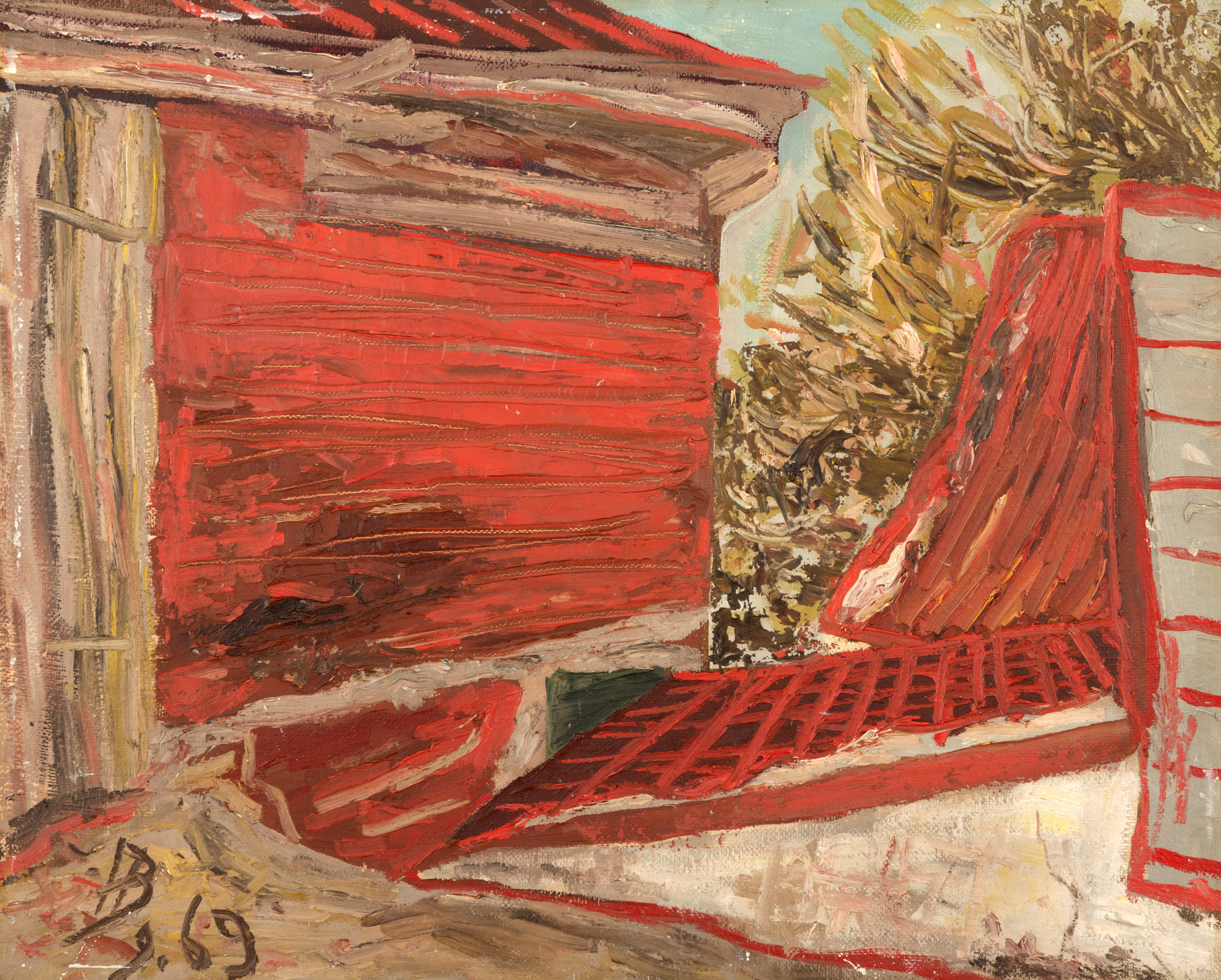
House at Poiana Marului (Togoe's Courtyard)

142. House at Poiana Marului (Togoe's Courtyard) [1969]
Horia Bernea

    Оценка EUR 2.000 - 4.000
    Продадено EUR 3.000
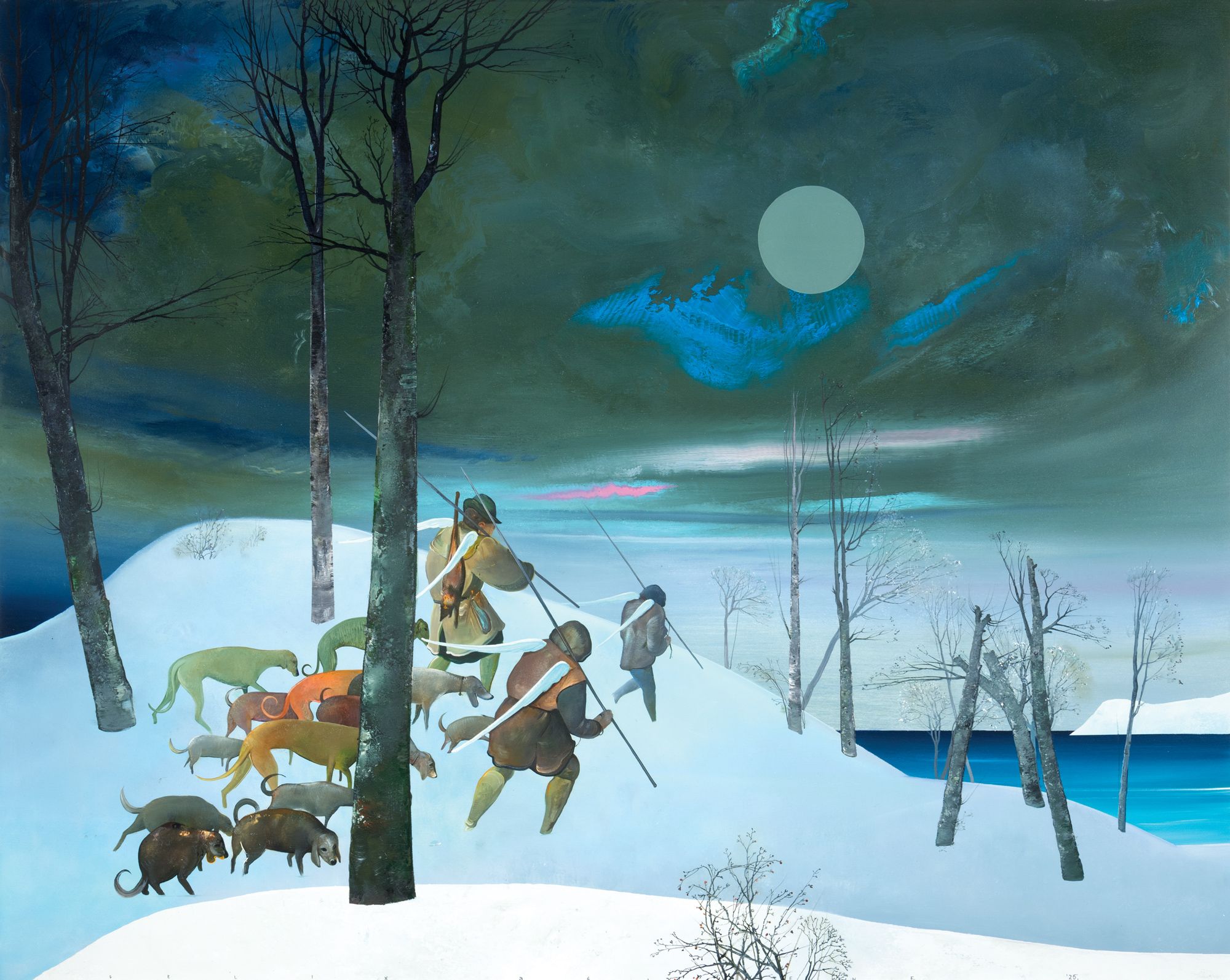
Hunters in the Snow

146. Hunters in the Snow [2025]

Felix Aftene

    Оценка EUR 6.000 - 9.000
    Продадено EUR 6.500
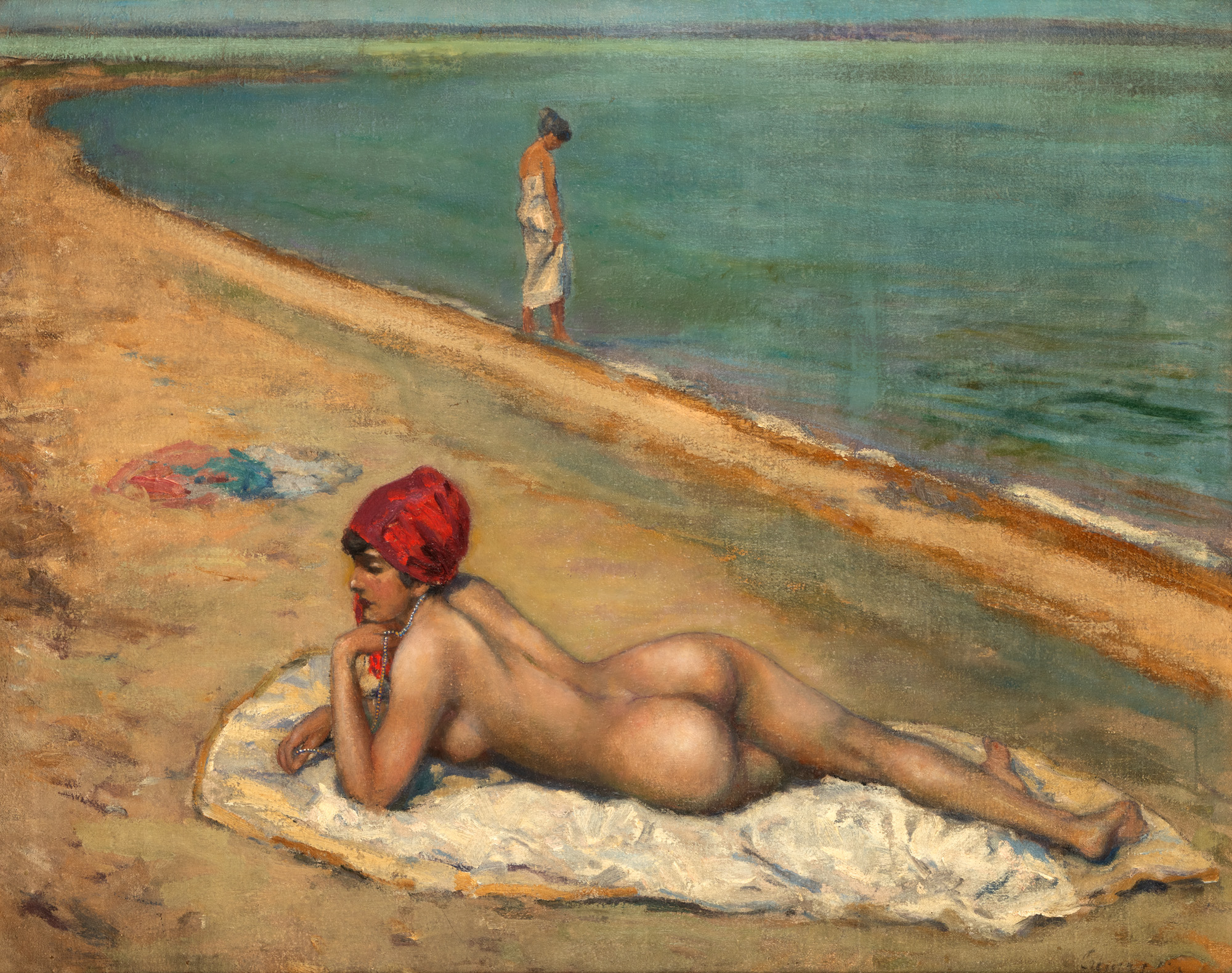
At the Beach

63. At the Beach [1919]

János Czencz

    Оценка EUR 1.800 - 2.500
    Продадено EUR 1.800
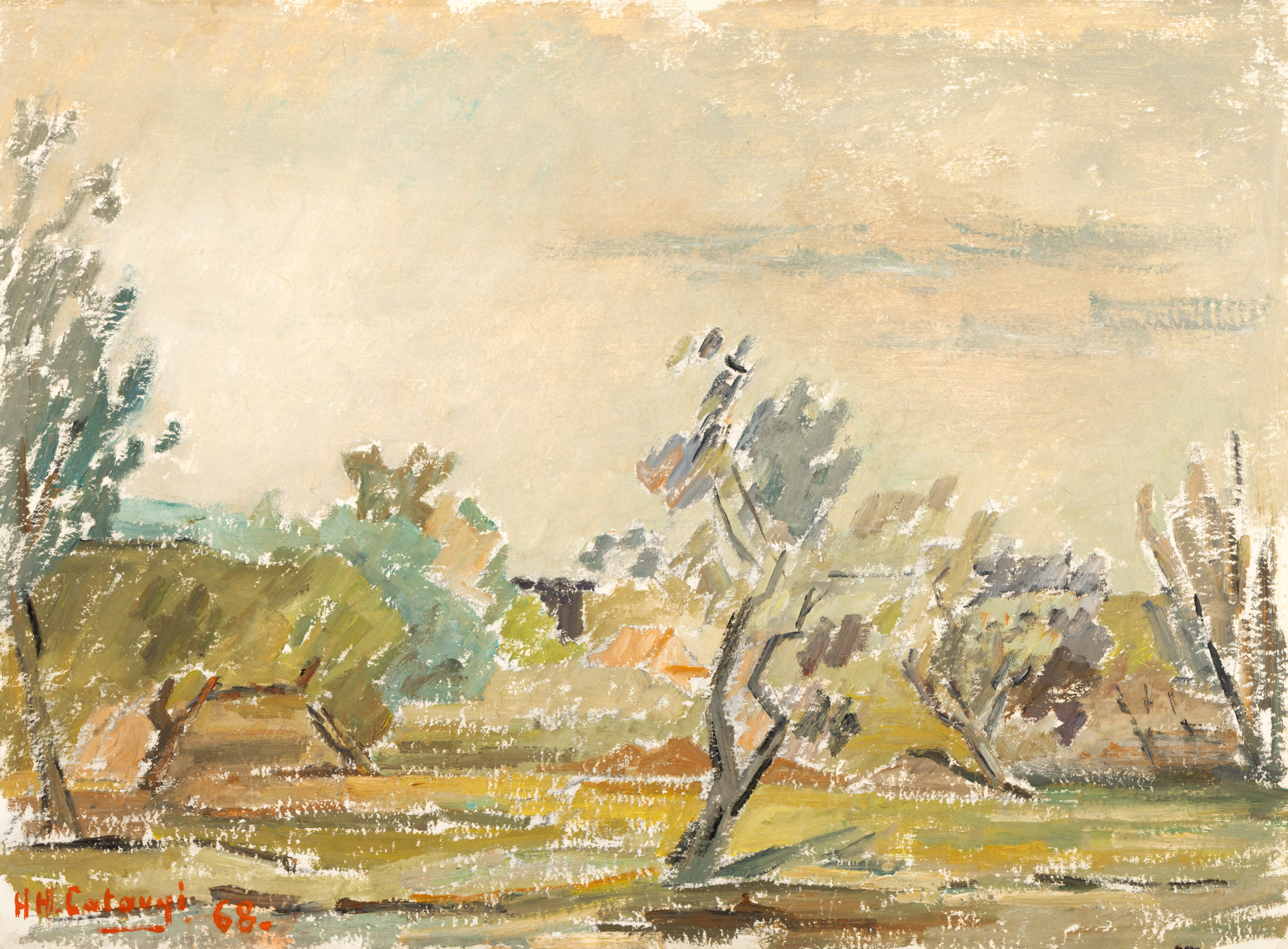
Dobrogean Landscape

164. Dobrogean Landscape [1968]

Henri H. Catargi

    Оценка EUR 1.000 - 1.800
    Продадено EUR 1.000