Снимките на лота са с информативен и илюстративен характер и не могат да предоставят изключително детайлен изглед на обекта от всички ъгли. Препоръчваме внимателен оглед на лота на място, преди да направите наддаване.
Снимките на лота са с информативен и илюстративен характер и не могат да предоставят изключително детайлен изглед на обекта от всички ъгли. Препоръчваме внимателен оглед на лота на място, преди да направите наддаване.
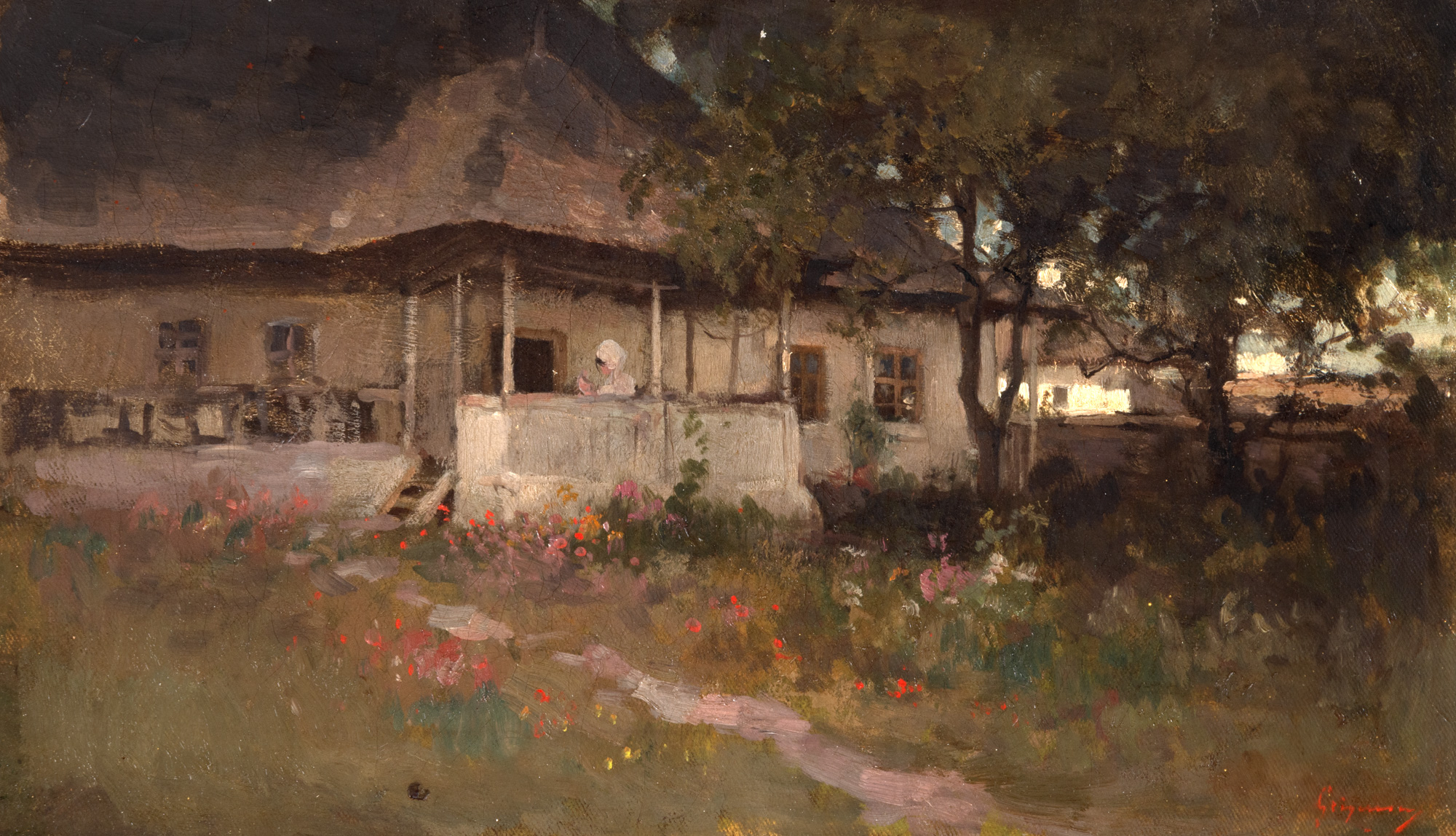
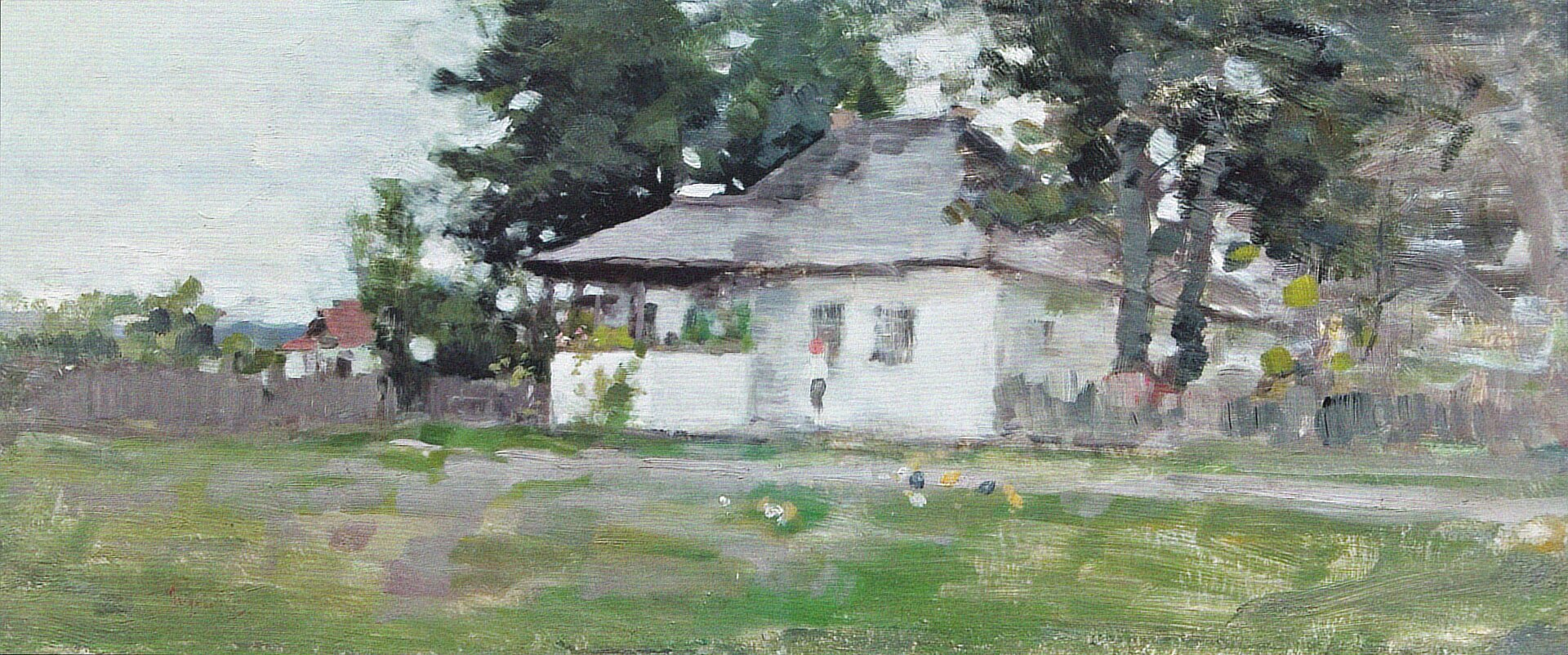
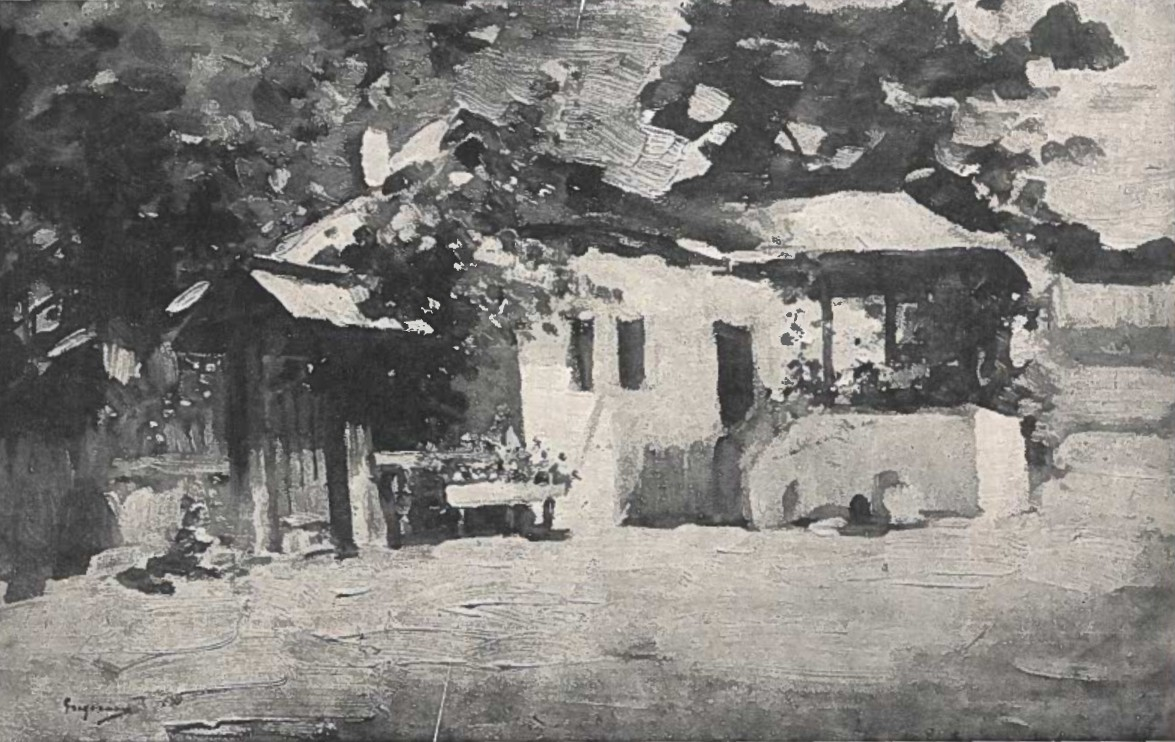
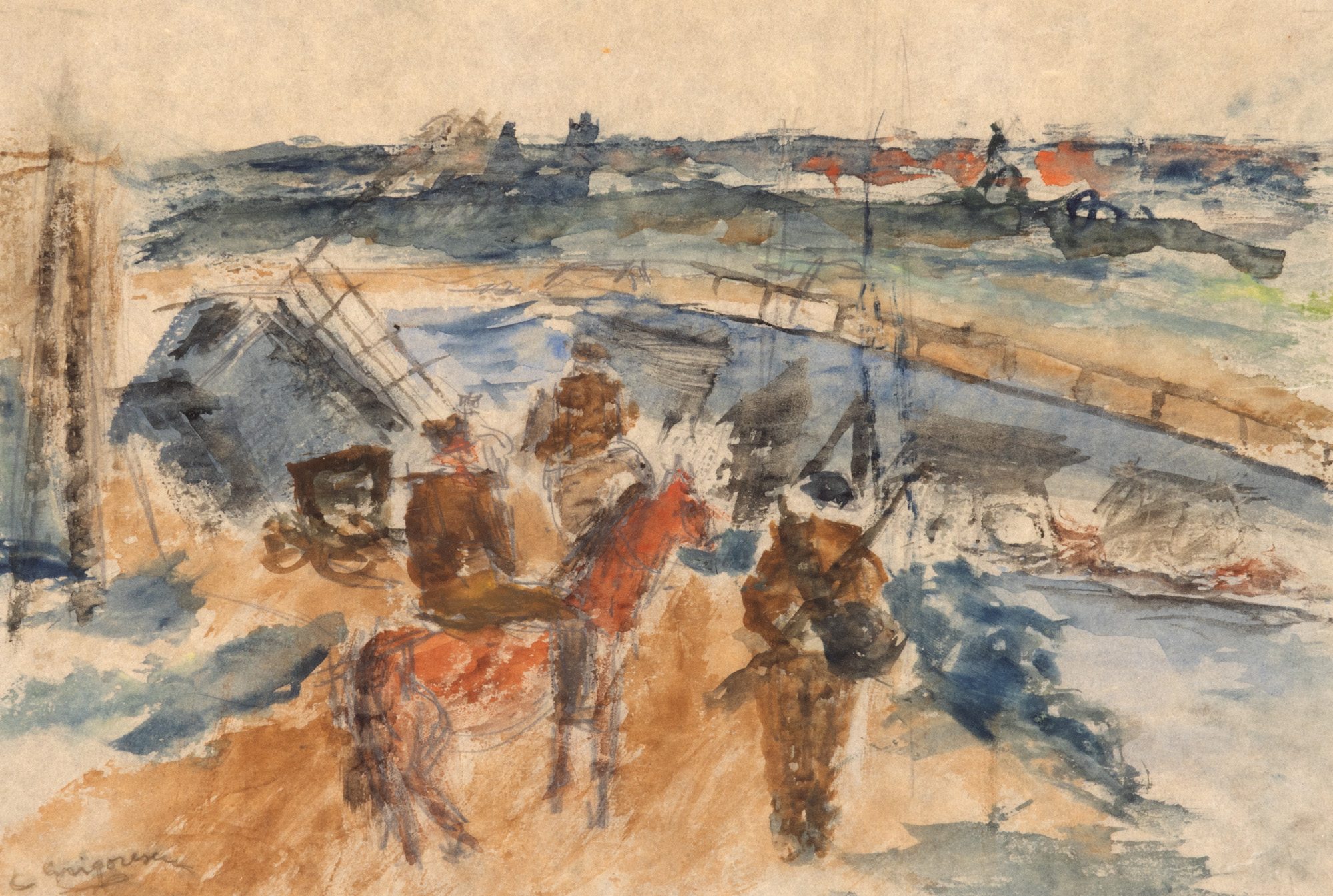
The preference for the Romanian rural landscape is what turned Nicolae Grigorescu from the painter formed in the spirit of the realist Barbizon School into the master who introduced Impressionist manners and trends into the Romanian space. Even if this thematic choice distanced him from the dominant current of 19th-century modernity, his oils are outlined in the most vivid pictorial language, articulating a deeply native plastic language. The pleasure of seeking an imaginary rooted in the daily life of the Romanian peasant was manifested throughout his entire artistic career, creating works such as "Peasant Girl Spinning" (1864 - 1869, Museum of Collections, Bucharest) or "Peasant Girl in House" (1870 - 1872, MNAR, Bucharest), but it reached its peak after his definitive return to the country, at the end of the 1880s. Then, Grigorescu chose Campina as his residence, where he lived and worked for the last 17 years of his life. The foothills of the mountains had gained a new momentum with the inauguration of the Ploiești - Predeal railway (1879) and - consequently - the rise of the station, entering a period of economic and urban effervescence. In this context, the painter acquired an old Muntenian house, definitively anchoring himself in the landscape and rhythm of the place. One of the qualities that consecrate Grigorescu as an artist of the people is precisely this return to the life of the country people: living next to them, in the midst of nature, and gathering, in his itineraries, the landscapes and faces of the old Romanians. The subjects captured from the daily life of the village range from the surrounding landscape, through the people living in the rural world, and stopping on daily occupations and the relationship they maintain with the place and the creatures that surround them. Starting on summer roads, the painter met in his pilgrimages welcoming peasants who let him capture their existence in its authentic simplicity - at the field work, at the harvest carrying, at the herds guarding, or on Sunday, at the hora. The evocation of the village world also reveals his devotion to the Romanian people, depicting a life caught in honest and unvarnished realities. In his last period of creation, he dedicated himself especially to the face of the peasant, surprised on the Muscel and Prahova plains, retaining scenes from the life of the locals along with the beauty of the hills and mountains. Among the representative works of this period we mention "Cheerful Peasant Girl" (1894, MNAR, Bucharest) or "Shepherd with his dog" (1902, Museum of Collections, Bucharest). With this open interest in the picturesque space, Grigorescu dressed in plastic forms fragments of the plai, offering us true pictograms of the old peasant shanties. Raised from the ground and supported by wooden pillars, according to the specific of the place, the peasant houses carry in their appearance the discreet solemnity of the picturesque space. His admiration for tradition and for the native ethos is translated in Grigorescu in chromatic, in gentle strokes and in the construction of form. In this work, the bright shades used to outline the old house seem to spring from a background dominated by dark green, sprinkled with brightly colored flowers, a chiaroscuro effect learned at Barbizon and now used in the service of a deeply personal subject. On the porch of the house, we notice a female presence outlined in broad strokes, with a white brocade covering the strands of brown hair. There is, in this image, something that goes beyond the simple representation of a rural motif: we can assume that the painting represents a confession of love for his own home in Campina. Grigorescu's old house, acquired in the 1890s - 1900s, was replaced with a new construction between 1902 and 1904, which probably suggests - ownership of the work between 1894 and 1901. We know several other variants of the same house, captured from different angles or periods, all speaking for the picturesque charm of this place so dear to the painter. Moreover, under these circumstances, we can make an assumed supposition regarding the identity of the central character. This may be Maria Danciu - the artist's life partner and a recurring presence in Grigorescu's late creation, serving as a model for many of the portraits with peasant girls. At that time, Grigorescu dedicated numerous works to her, which he noted with the message "for M. Danciu", immediately near his own signature. Her appearance in this work enhances the intimate atmosphere of the scene. (L.M)
Препратки
CIUCA, Valentin, "Following Grigorescu's traces", Ed. Sport-Tourism, Bucharest, 1987
ENACHE, Monica, MATEI, Rodica, VIDA, Mariana, "Grigorescu. Painter of nature" (catalogue), National Museum of Art in Romania, Bucharest, 2007
VLAHUTA, A., "The painter Nicolae Grigorescu. His life and work”, Editura Casa Scoalelor, Bucharest, 1910
Размери
width 34.5 cm, height 19.5 cm
Описание
oil on canvas, signed lower right, in red, "Grigorescu"
Запознанства
1890-1900
ДОПЪЛНИТЕЛНА ИНФОРМАЦИЯ
За разяснения относно процедурата по наддаване, разходите при спечелване, условията за гаранция, плащане и вземане на спечеления лот, препоръчваме внимателно четене/препрочитане на Правилника за наддаване.
The preference for the Romanian rural landscape is what turned Nicolae Grigorescu from the painter formed in the spirit of the realist Barbizon School into the master who introduced Impressionist manners and trends into the Romanian space. Even if this thematic choice distanced him from the dominant current of 19th-century modernity, his oils are outlined in the most vivid pictorial language, articulating a deeply native plastic language. The pleasure of seeking an imaginary rooted in the daily life of the Romanian peasant was manifested throughout his entire artistic career, creating works such as "Peasant Girl Spinning" (1864 - 1869, Museum of Collections, Bucharest) or "Peasant Girl in House" (1870 - 1872, MNAR, Bucharest), but it reached its peak after his definitive return to the country, at the end of the 1880s. Then, Grigorescu chose Campina as his residence, where he lived and worked for the last 17 years of his life. The foothills of the mountains had gained a new momentum with the inauguration of the Ploiești - Predeal railway (1879) and - consequently - the rise of the station, entering a period of economic and urban effervescence. In this context, the painter acquired an old Muntenian house, definitively anchoring himself in the landscape and rhythm of the place. One of the qualities that consecrate Grigorescu as an artist of the people is precisely this return to the life of the country people: living next to them, in the midst of nature, and gathering, in his itineraries, the landscapes and faces of the old Romanians. The subjects captured from the daily life of the village range from the surrounding landscape, through the people living in the rural world, and stopping on daily occupations and the relationship they maintain with the place and the creatures that surround them. Starting on summer roads, the painter met in his pilgrimages welcoming peasants who let him capture their existence in its authentic simplicity - at the field work, at the harvest carrying, at the herds guarding, or on Sunday, at the hora. The evocation of the village world also reveals his devotion to the Romanian people, depicting a life caught in honest and unvarnished realities. In his last period of creation, he dedicated himself especially to the face of the peasant, surprised on the Muscel and Prahova plains, retaining scenes from the life of the locals along with the beauty of the hills and mountains. Among the representative works of this period we mention "Cheerful Peasant Girl" (1894, MNAR, Bucharest) or "Shepherd with his dog" (1902, Museum of Collections, Bucharest). With this open interest in the picturesque space, Grigorescu dressed in plastic forms fragments of the plai, offering us true pictograms of the old peasant shanties. Raised from the ground and supported by wooden pillars, according to the specific of the place, the peasant houses carry in their appearance the discreet solemnity of the picturesque space. His admiration for tradition and for the native ethos is translated in Grigorescu in chromatic, in gentle strokes and in the construction of form. In this work, the bright shades used to outline the old house seem to spring from a background dominated by dark green, sprinkled with brightly colored flowers, a chiaroscuro effect learned at Barbizon and now used in the service of a deeply personal subject. On the porch of the house, we notice a female presence outlined in broad strokes, with a white brocade covering the strands of brown hair. There is, in this image, something that goes beyond the simple representation of a rural motif: we can assume that the painting represents a confession of love for his own home in Campina. Grigorescu's old house, acquired in the 1890s - 1900s, was replaced with a new construction between 1902 and 1904, which probably suggests - ownership of the work between 1894 and 1901. We know several other variants of the same house, captured from different angles or periods, all speaking for the picturesque charm of this place so dear to the painter. Moreover, under these circumstances, we can make an assumed supposition regarding the identity of the central character. This may be Maria Danciu - the artist's life partner and a recurring presence in Grigorescu's late creation, serving as a model for many of the portraits with peasant girls. At that time, Grigorescu dedicated numerous works to her, which he noted with the message "for M. Danciu", immediately near his own signature. Her appearance in this work enhances the intimate atmosphere of the scene. (L.M)
ДОПЪЛНИТЕЛНА ИНФОРМАЦИЯ
За разяснения относно процедурата по наддаване, разходите при спечелване, условията за гаранция, плащане и вземане на спечеления лот, препоръчваме внимателно четене/препрочитане на Правилника за наддаване.
CIUCA, Valentin, "Following Grigorescu's traces", Ed. Sport-Tourism, Bucharest, 1987
ENACHE, Monica, MATEI, Rodica, VIDA, Mariana, "Grigorescu. Painter of nature" (catalogue), National Museum of Art in Romania, Bucharest, 2007
VLAHUTA, A., "The painter Nicolae Grigorescu. His life and work”, Editura Casa Scoalelor, Bucharest, 1910
Размери
width 34.5 cm, height 19.5 cm
Описание
oil on canvas, signed lower right, in red, "Grigorescu"