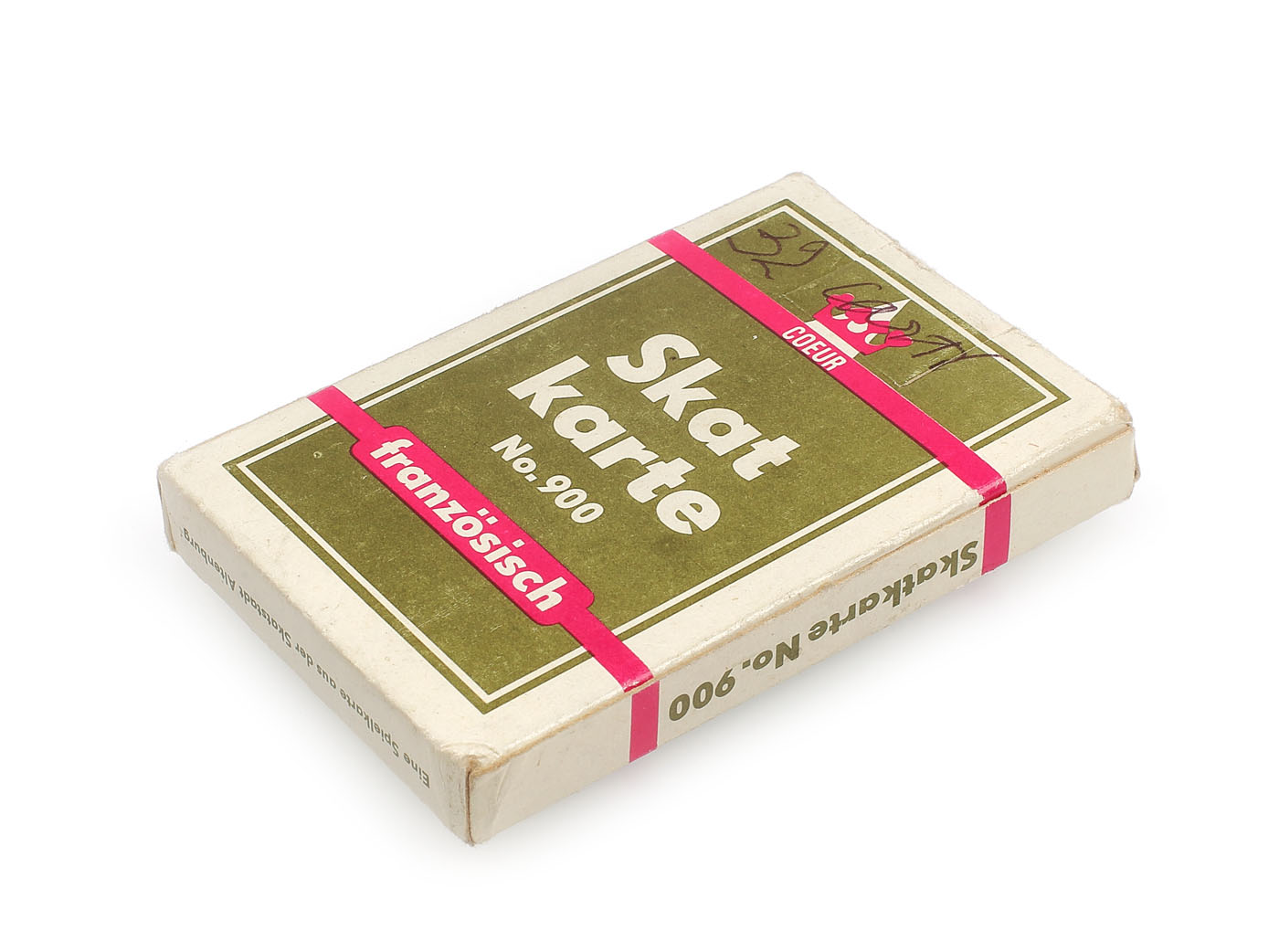
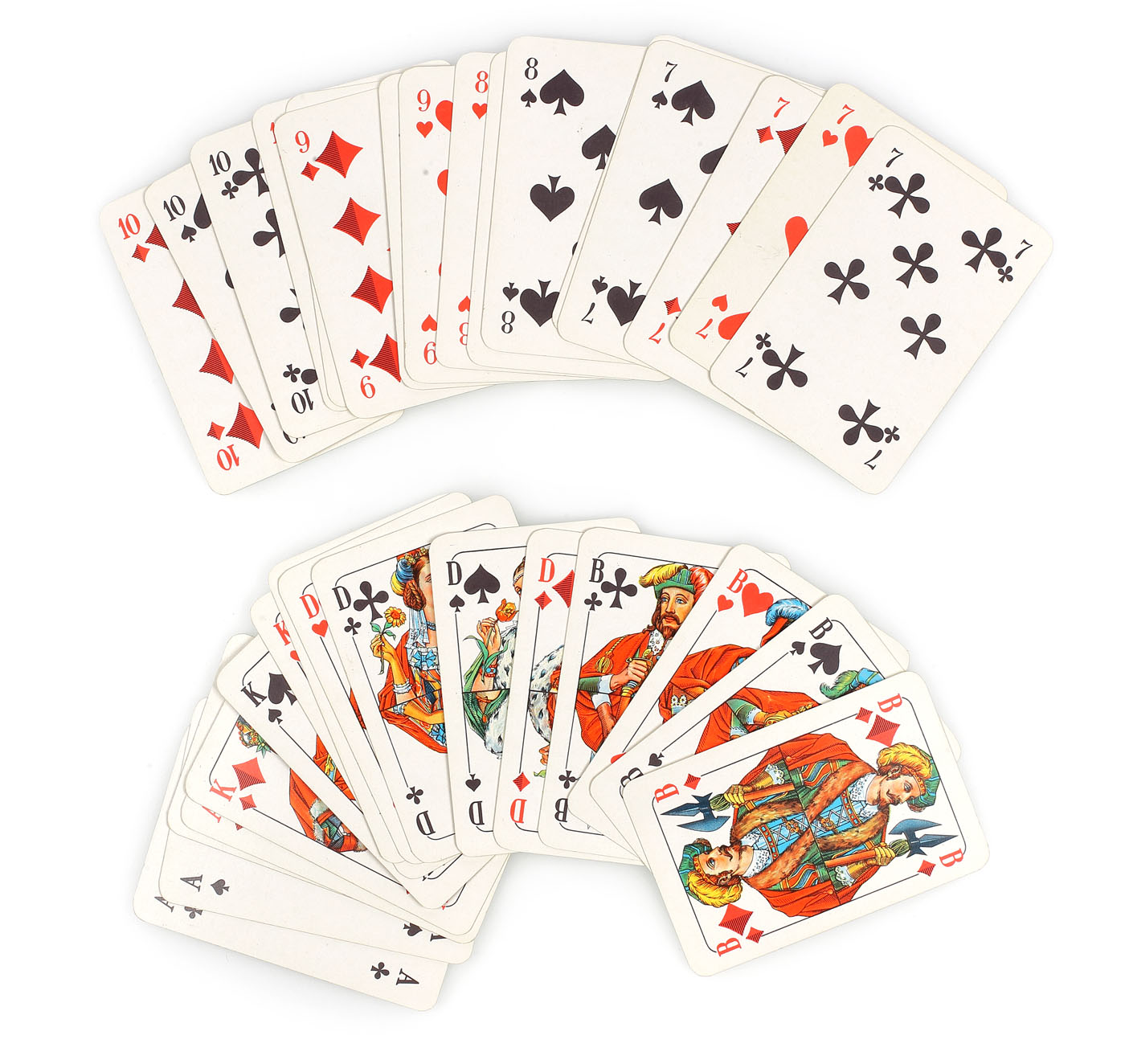
25. "Skat" deck of cards, Altenburg, Germany, 1964
Начална цена
EUR 30
Сесия
Чет, 12 юли 2018 19:00
The word Skat is a Tarok term derived from the Latin word scarto, scartare, which means to discard or reject, and its derivative scatola, a box or a place for safe-keeping. The word scarto is still used in some other Italian card games to this day, and is not to be confused with the American game called scat.
ДОПЪЛНИТЕЛНА ИНФОРМАЦИЯ
За разяснения относно процедурата по наддаване, разходите при спечелване, условията за гаранция, плащане и вземане на спечеления лот, препоръчваме внимателно четене/препрочитане на Правилника за наддаване.
За допълнителна информация относно лота и търга, моля свържете се с Отдела на арт консултантите.
Detalii
The word Skat is a Tarok term derived from the Latin word scarto, scartare, which means to discard or reject, and its derivative scatola, a box or a place for safe-keeping. The word scarto is still used in some other Italian card games to this day, and is not to be confused with the American game called scat.
ДОПЪЛНИТЕЛНА ИНФОРМАЦИЯ
За разяснения относно процедурата по наддаване, разходите при спечелване, условията за гаранция, плащане и вземане на спечеления лот, препоръчваме внимателно четене/препрочитане на Правилника за наддаване.
За допълнителна информация относно лота и търга, моля свържете се с Отдела на арт консултантите.
Алтернативни лотове
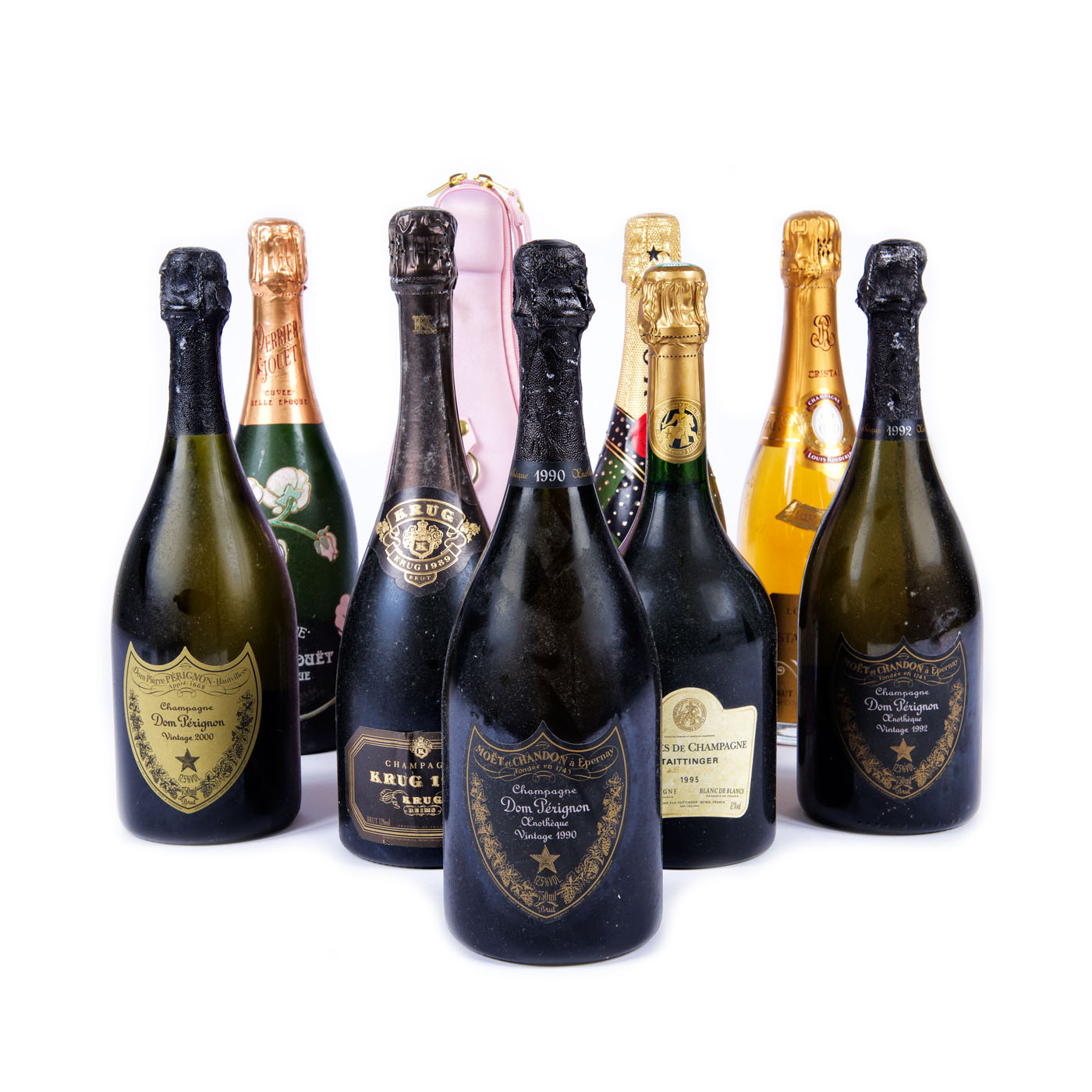
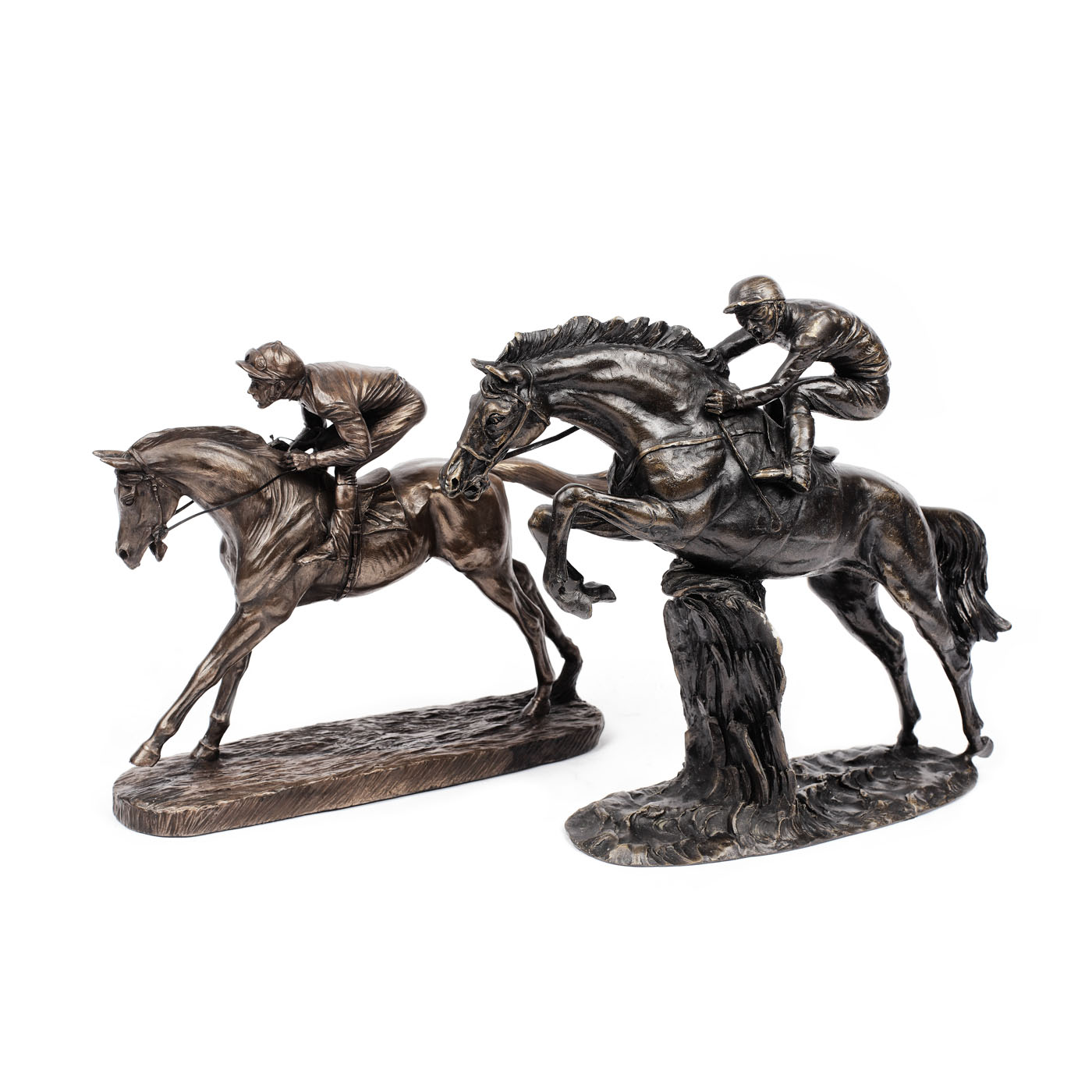
41. Set of four equestrian figurines, made of resin, bronze and brass [second half of the 20th century]
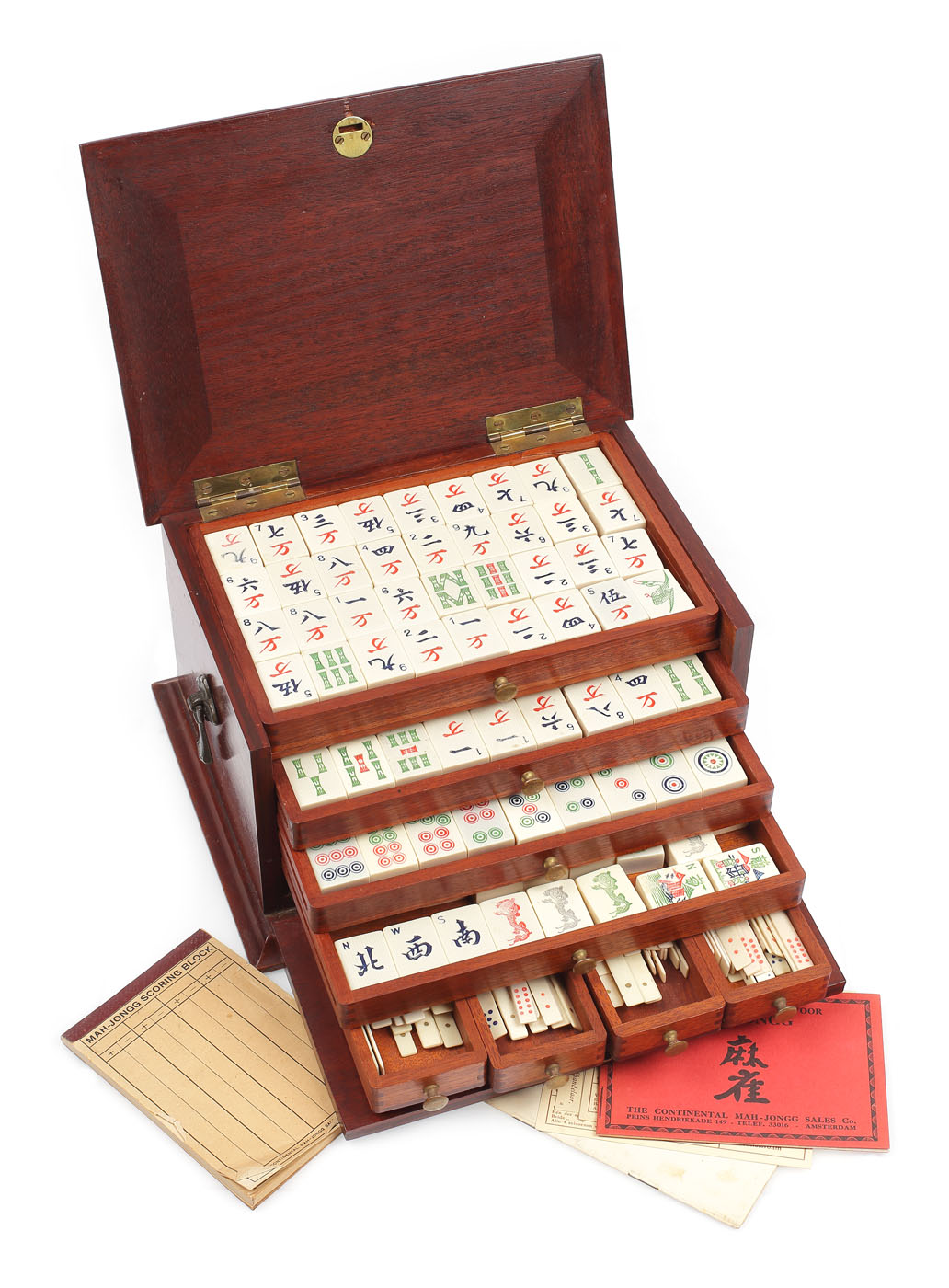
18. Mahogany mah-jong set, with bone and bamboo pieces, early 20th century