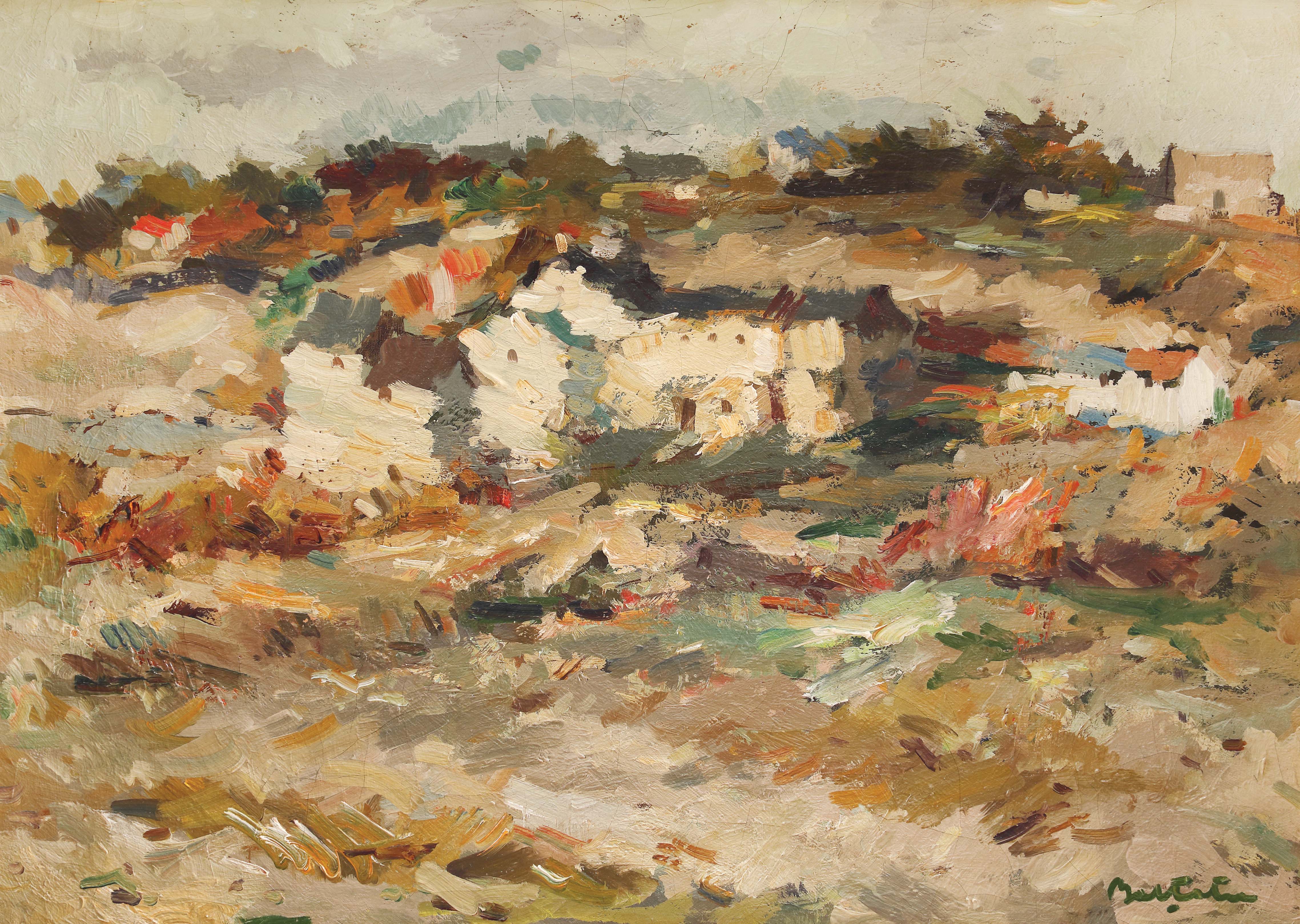

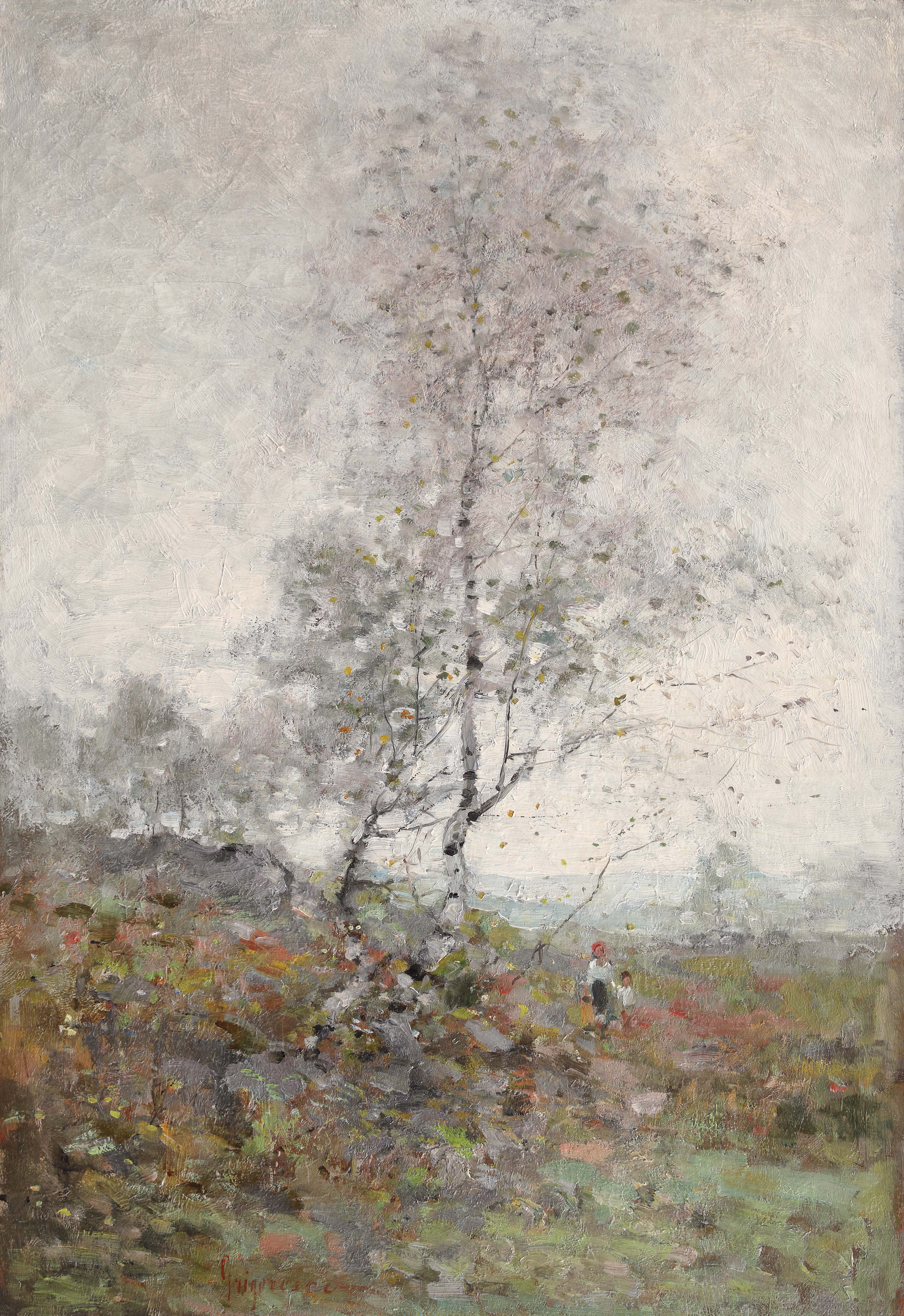
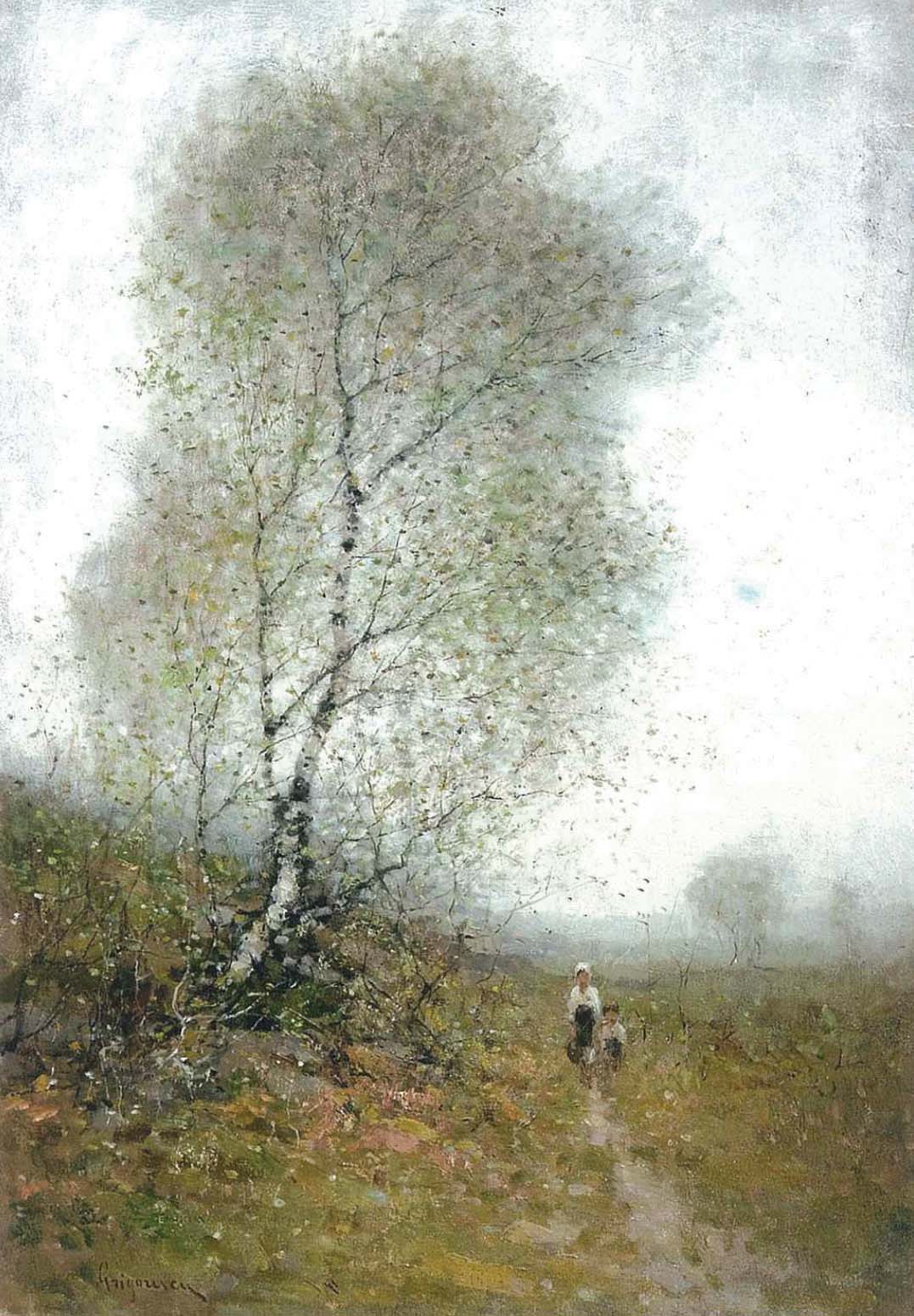
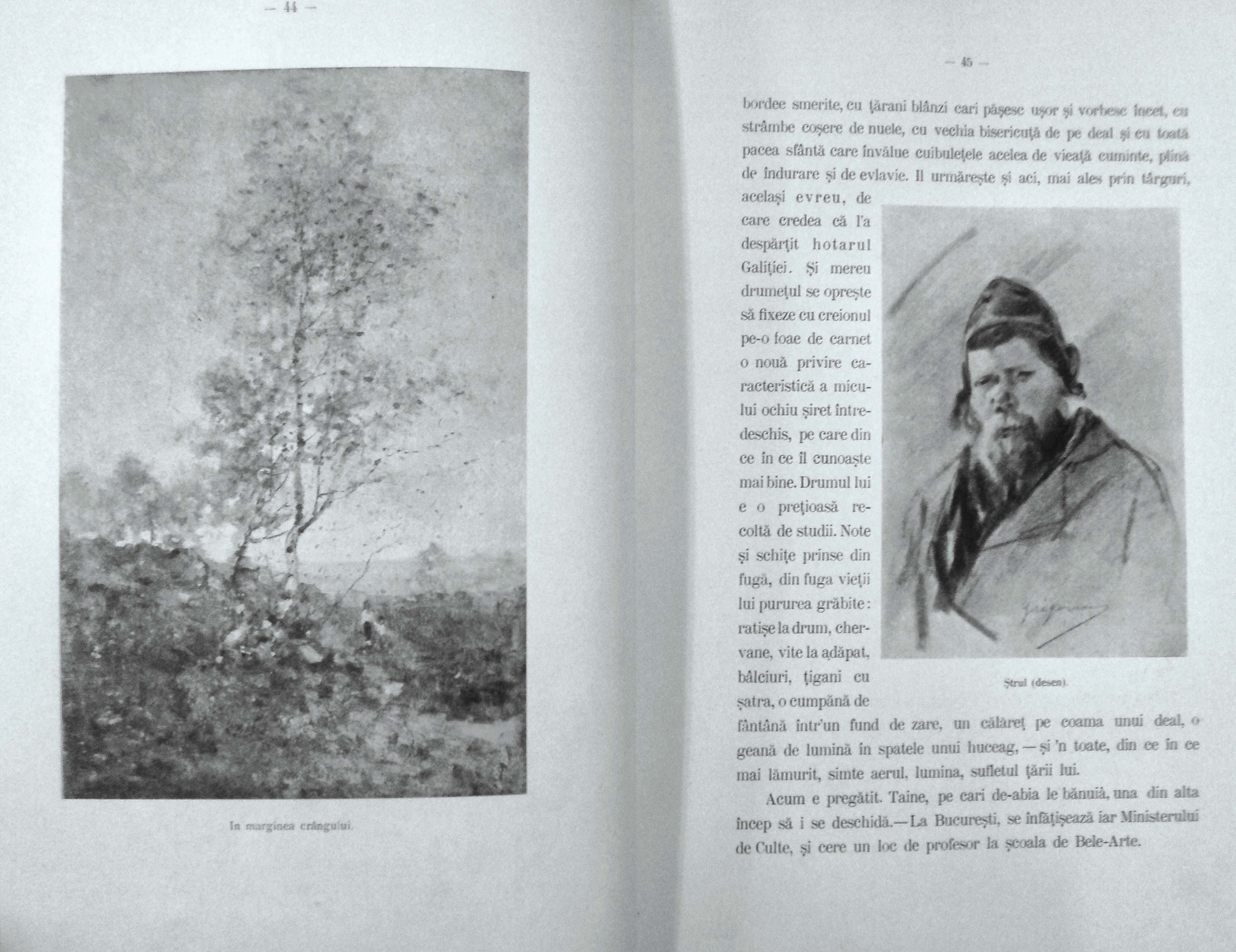
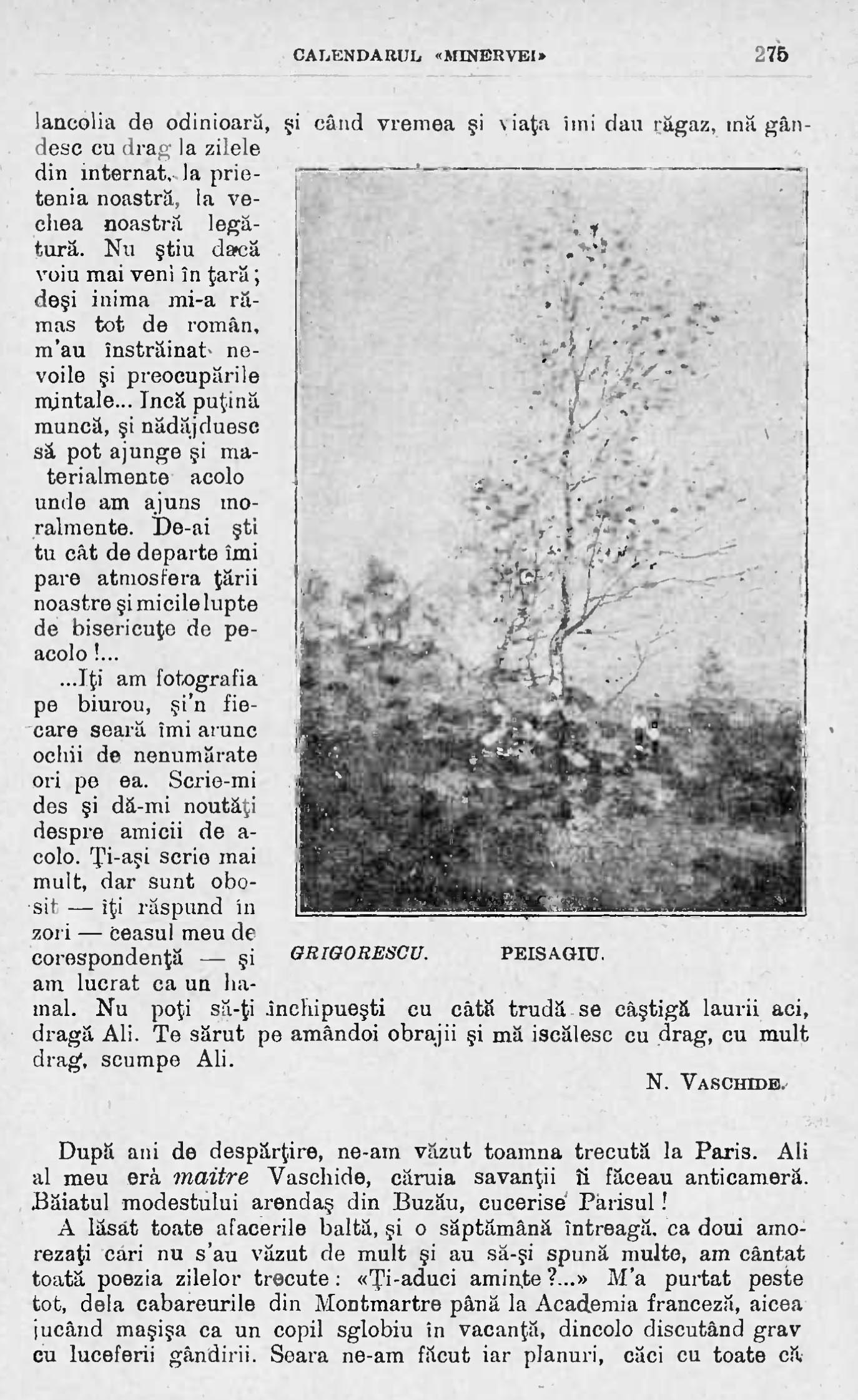
116. Spring at Câmpina [1885-1890]
Оценка
EUR 70.000 - 120.000
Продадено
EUR 95.000
Сесия
Вто, 22 март 2022 19:00
Препратки
VLAHUȚĂ, Alexandru, "Pictorul Nicolae Grigorescu. Viața și opera lui" ("The painter Nicolae Grigorescu. His life and work"), Casa Școalelor Publishing House, Bucharest, 1910. VIDA, Mariana, "Grigorescu pictor al naturii=Grigorescu peintre de la nature: (1838-1907)", Publishing House of the Art Museum of the Socialist Republic of Romania, Bucharest, 2007.
Размери
width 43 cm, height 62.5 cm
Описание
oil on canvas, signed bottom centred, with brown, "Grigorescu"
Информация от изследване
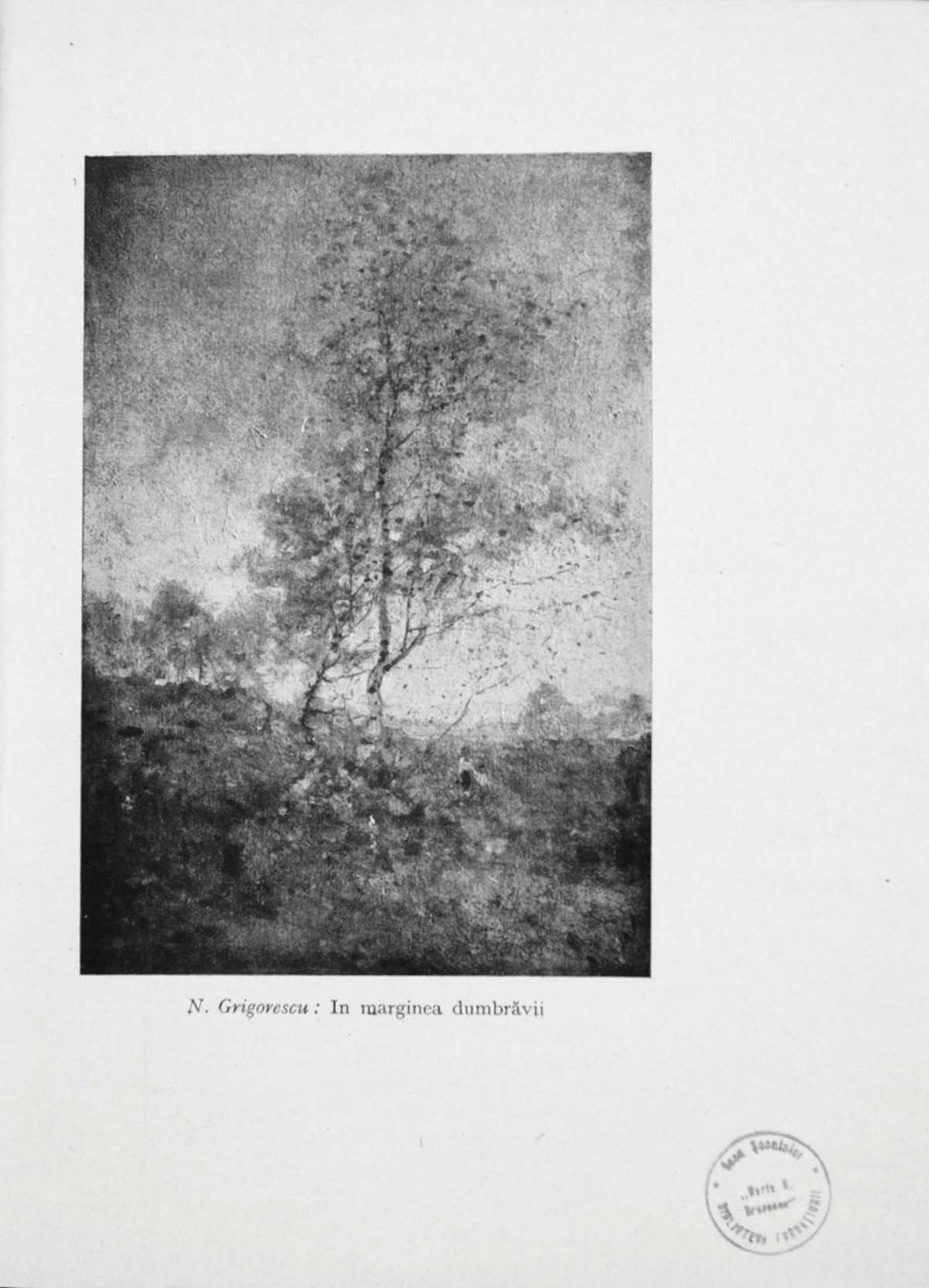
The artwork is reproduced in the monograph "ViaÈa Èi opera pictorului N. I. Grigorescu" ("The life and work of the painter N. I. Grigorescu"), Alexandru VlahuÈÄ, SOCEC, Bucharest, 1910 at p. 44, under the title "La marginea crângului" ("At the edge of the grove"). The artwork is reproduced in "N. Grigorescu", by Nicolae PetraÈcu, Bucovina Printing House, Bucharest, 1930, at cat. 68, p. 181, under the title "Ãn marginea crângului" ("At the edge of the grove"). The artwork is the first illustration in the volume "Poezii populare ale românilor" ("Folk poems of the Romanians") by Vasile Alecsandri, Casa Ècoalelor, Bucharest, 1942 at p. 32, under the title "La marginea dumbrÄvii" ("At the edge of the woods").
Запознанства
1885-1890
ПРОИЗХОД
the historical collection of banker Ernest Edmond Goodwin (1848-1931). Ernest Goodwin, a native Englishman and deputy director of the Banque de Roumanie, married to Maria (MiÈa) ÈuÈu, was known for the skill with which he assembled some of the master's best paintings, his collection competing in number and value with those of Eugeniu Carada and Alexandru VlahuÈÄ. Over a period of twenty years he purchased works by Grigorescu, which he chose after repeated visits to his studio and less frequently from exhibitions. At least until 1910 the work was in the collection of the banker, who after that year decided to sell it and return to the UK.
ДОПЪЛНИТЕЛНА ИНФОРМАЦИЯ
За разяснения относно процедурата по наддаване, разходите при спечелване, условията за гаранция, плащане и вземане на спечеления лот, препоръчваме внимателно четене/препрочитане на Правилника за наддаване.
За допълнителна информация относно лота и търга, моля свържете се с Отдела на арт консултантите.
Detalii
ДОПЪЛНИТЕЛНА ИНФОРМАЦИЯ
За разяснения относно процедурата по наддаване, разходите при спечелване, условията за гаранция, плащане и вземане на спечеления лот, препоръчваме внимателно четене/препрочитане на Правилника за наддаване.
За допълнителна информация относно лота и търга, моля свържете се с Отдела на арт консултантите.
Препратки
VLAHUȚĂ, Alexandru, "Pictorul Nicolae Grigorescu. Viața și opera lui" ("The painter Nicolae Grigorescu. His life and work"), Casa Școalelor Publishing House, Bucharest, 1910. VIDA, Mariana, "Grigorescu pictor al naturii=Grigorescu peintre de la nature: (1838-1907)", Publishing House of the Art Museum of the Socialist Republic of Romania, Bucharest, 2007.
Размери
width 43 cm, height 62.5 cm
Описание
oil on canvas, signed bottom centred, with brown, "Grigorescu"
Информация от изследване
The artwork is reproduced in the monograph "ViaÈa Èi opera pictorului N. I. Grigorescu" ("The life and work of the painter N. I. Grigorescu"), Alexandru VlahuÈÄ, SOCEC, Bucharest, 1910 at p. 44, under the title "La marginea crângului" ("At the edge of the grove"). The artwork is reproduced in "N. Grigorescu", by Nicolae PetraÈcu, Bucovina Printing House, Bucharest, 1930, at cat. 68, p. 181, under the title "Ãn marginea crângului" ("At the edge of the grove"). The artwork is the first illustration in the volume "Poezii populare ale românilor" ("Folk poems of the Romanians") by Vasile Alecsandri, Casa Ècoalelor, Bucharest, 1942 at p. 32, under the title "La marginea dumbrÄvii" ("At the edge of the woods").
Запознанства
1885-1890
ПРОИЗХОД
the historical collection of banker Ernest Edmond Goodwin (1848-1931). Ernest Goodwin, a native Englishman and deputy director of the Banque de Roumanie, married to Maria (MiÈa) ÈuÈu, was known for the skill with which he assembled some of the master's best paintings, his collection competing in number and value with those of Eugeniu Carada and Alexandru VlahuÈÄ. Over a period of twenty years he purchased works by Grigorescu, which he chose after repeated visits to his studio and less frequently from exhibitions. At least until 1910 the work was in the collection of the banker, who after that year decided to sell it and return to the UK.