Снимките на лота са с информативен и илюстративен характер и не могат да предоставят изключително детайлен изглед на обекта от всички ъгли. Препоръчваме внимателен оглед на лота на място, преди да направите наддаване.
Снимките на лота са с информативен и илюстративен характер и не могат да предоставят изключително детайлен изглед на обекта от всички ъгли. Препоръчваме внимателен оглед на лота на място, преди да направите наддаване.
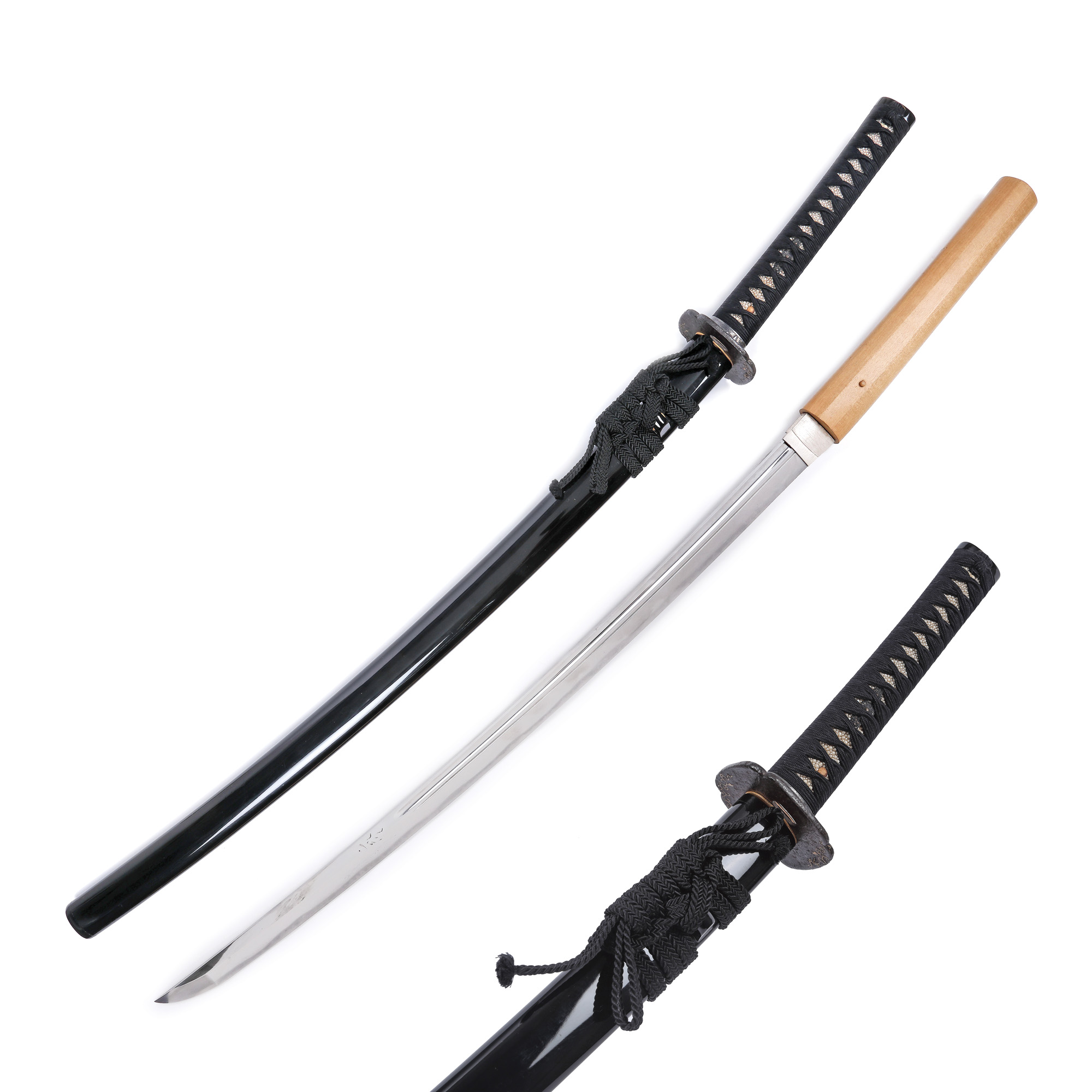
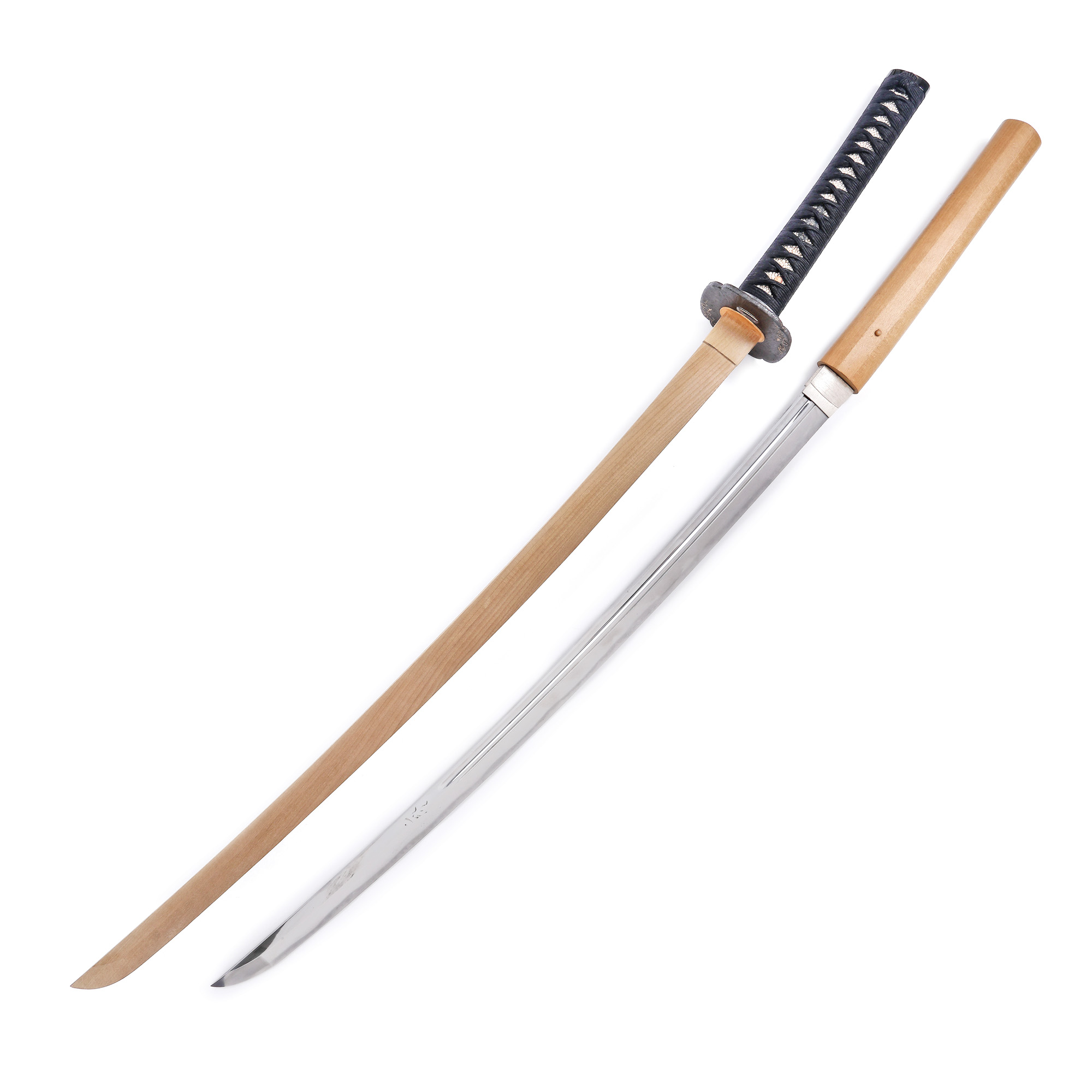
56. Katana Mumei, made by master Kanenori, Momoyama period, Bunroku year (1592), NBTHK certificate
Начална цена
Pretul de pornire si cel estimat nu sunt preturi de vanzare efective
EUR 4.000
Продадено
Pretul de pornire si cel estimat nu sunt preturi de vanzare efective
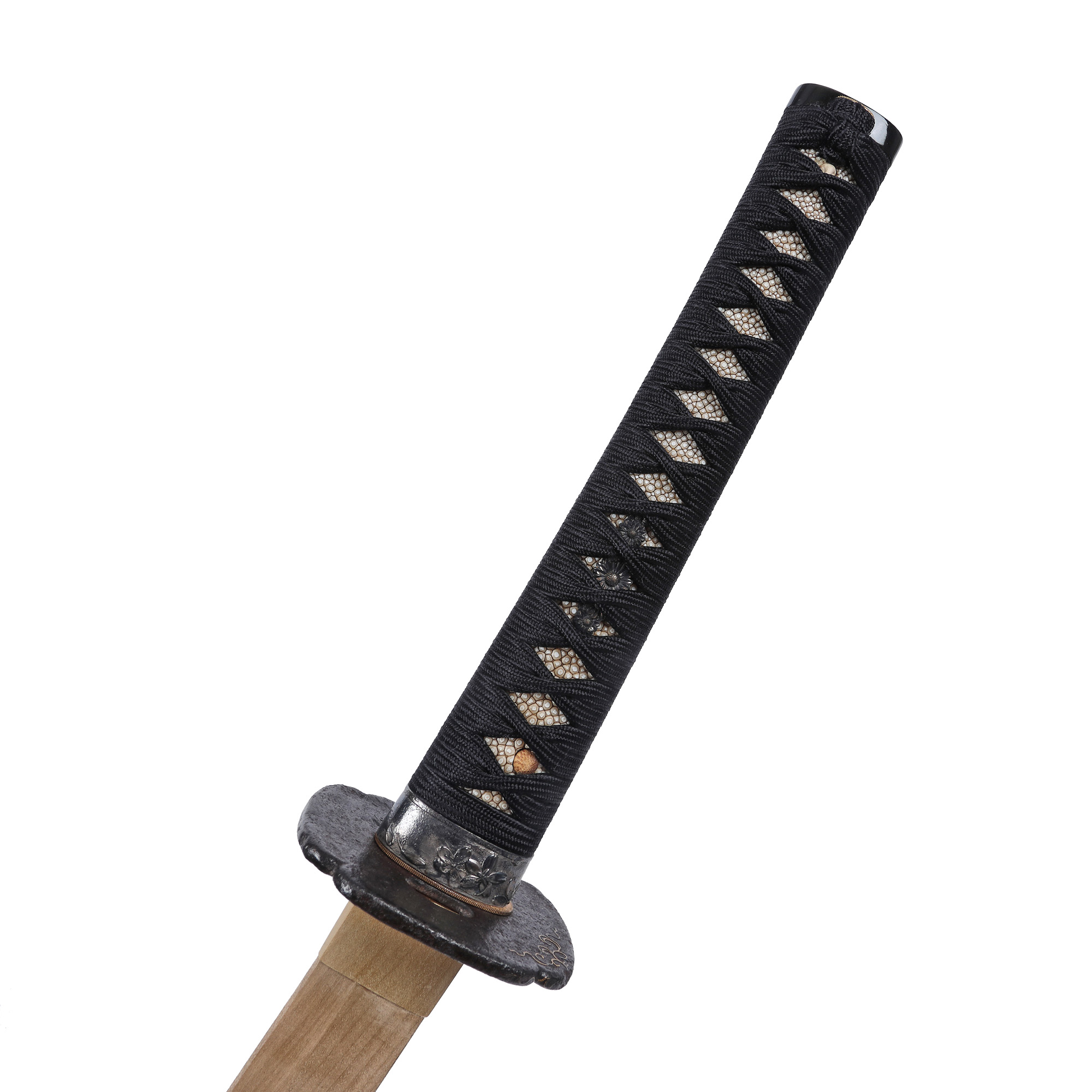
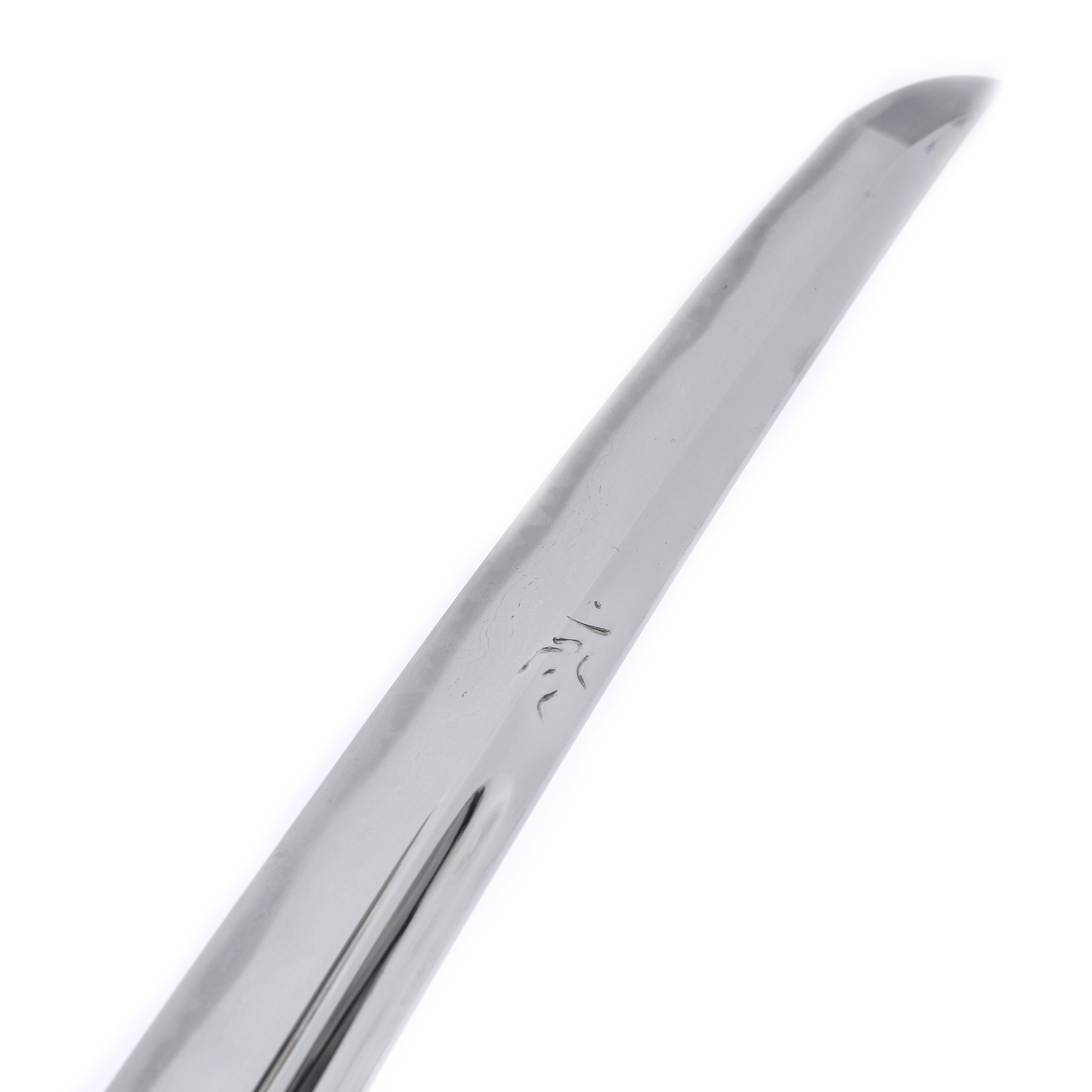
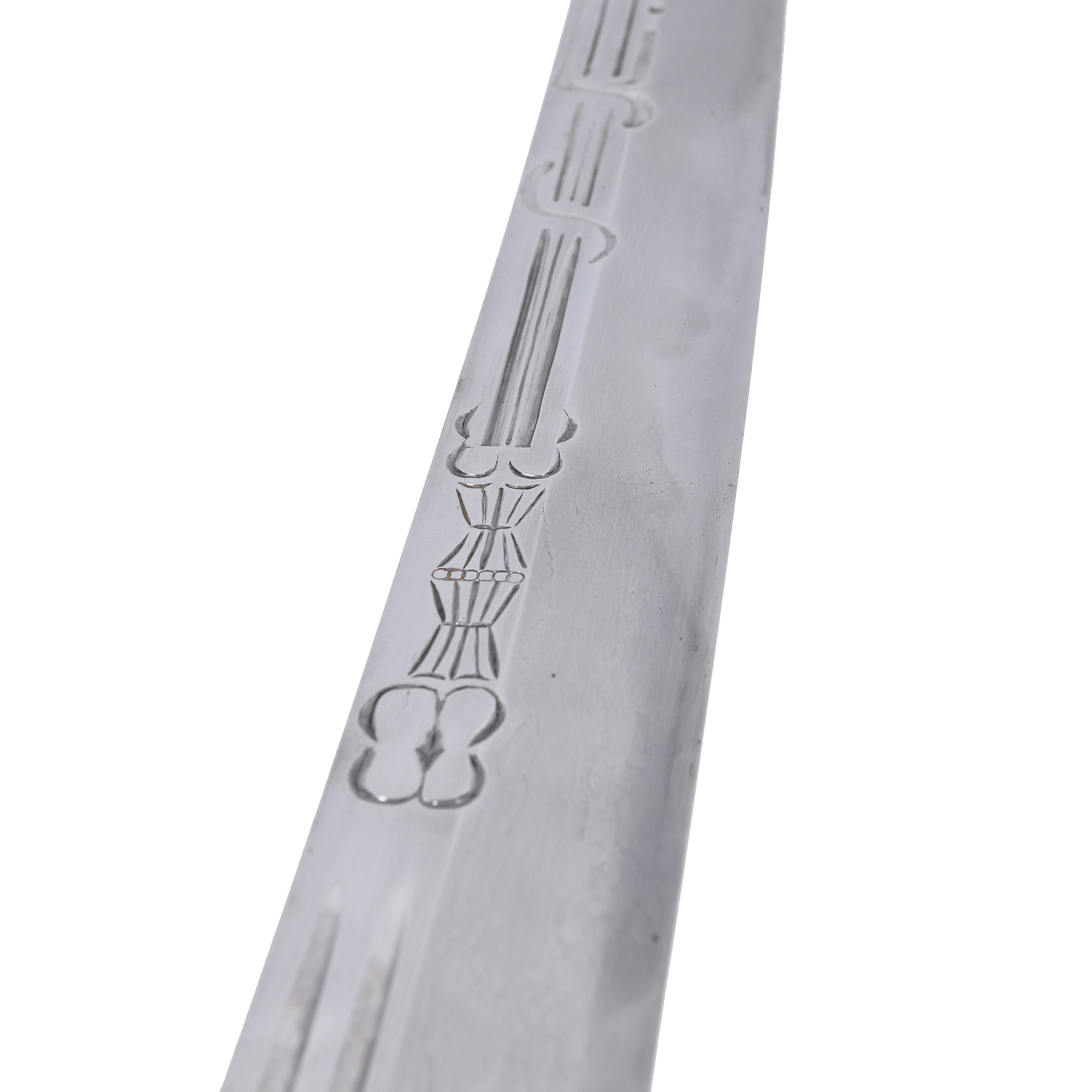
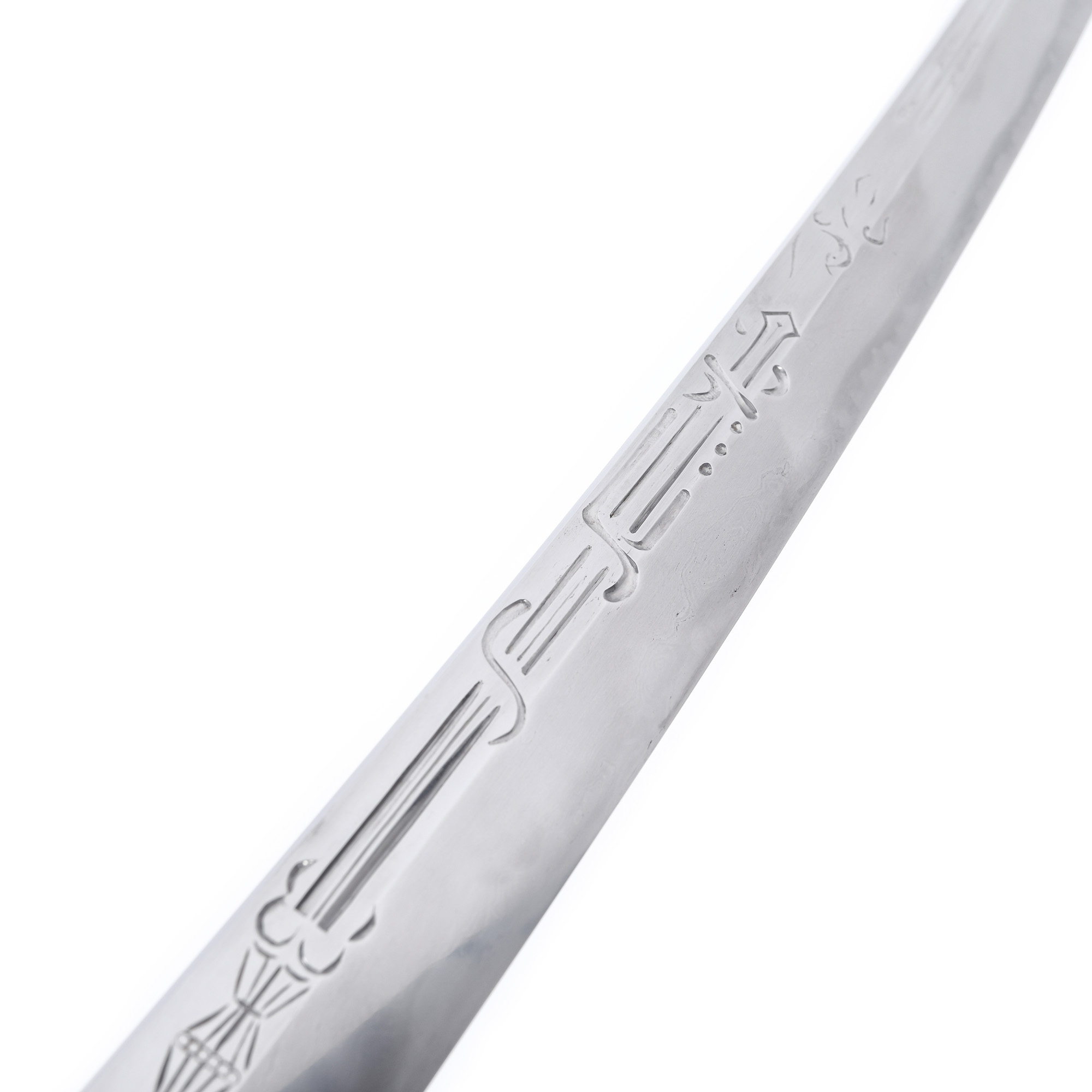
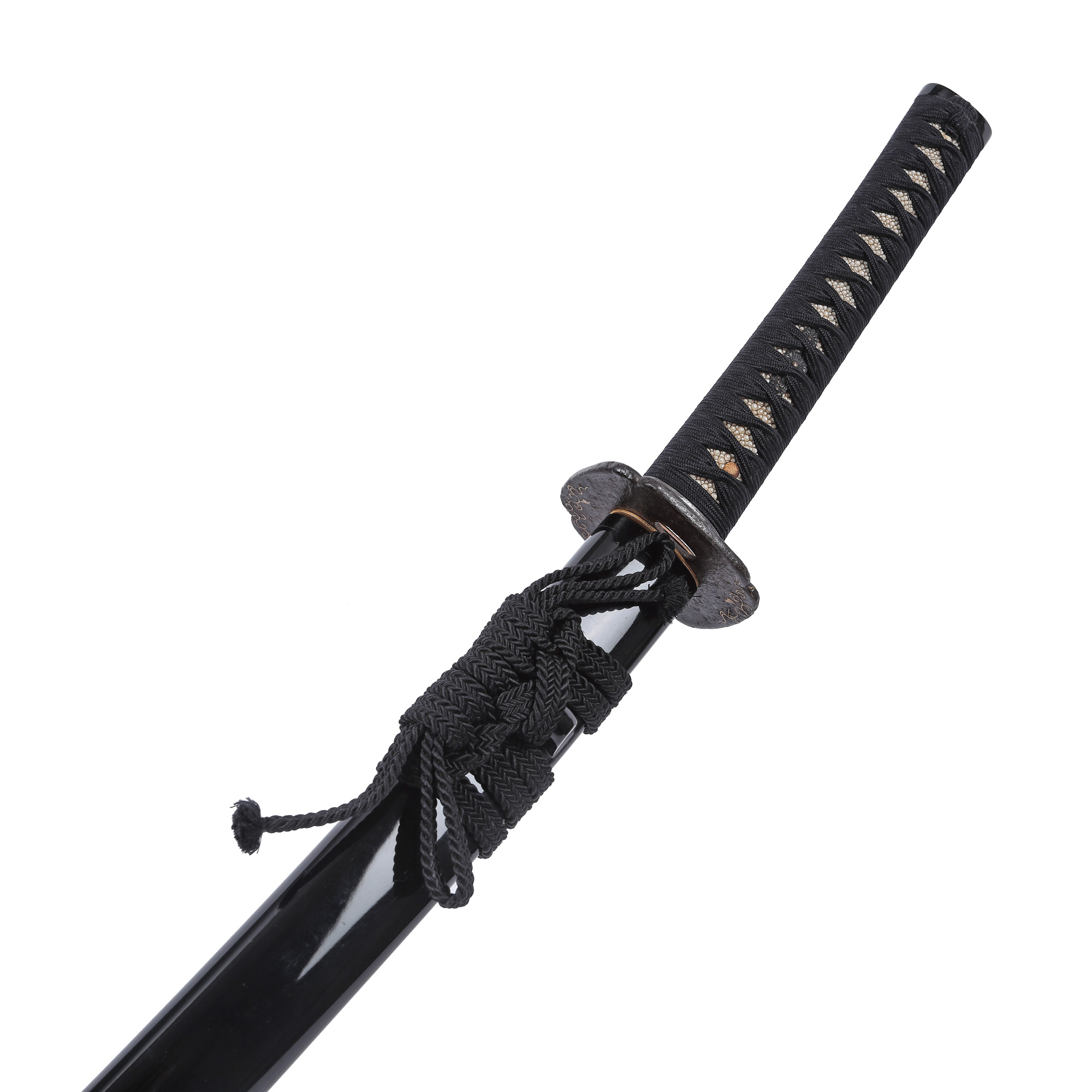
Japanese Katana, dating from 1592, the end of the Momoyama period (1568-1600), made by Kanenori. "Katana" swords are an evolution of the "Tachi" swords, being thus signed by the master ironsmiths starting from the Muromachi period (1337-1573). The introduction of Katana coincided with the change in the Samurai fighting style, which also took place at the start of the Muromachi period, as the name "katana" means in fact "cutting edge facing up". Made by Kanenori during the tumultuous Momoyama period, this sword follow the rise to power of Shogun Tokugawa Ieyasu and the establishment of the Tokugava Shogunate at the start of the Edo period. The sword was also contemporary with the major master swordsmen such as Hattori Hanzō, Sasaki Kojirō, and Miyamoto Musashi. From the same period, the sword was most likely appropriated by the Ikedake family, daimyo (vassals) of the shogun. The craft of making swords is passed on from generation to generation, the distinctive character of the blades manufactured by the Japanese master ironsmiths being perpetuated for the next five hundred years. This distinctive character can be noted in the workmanship of the blade itself. The active part of the blade is marked by an elegant, gunome-type hamon, a result of the differential tempering process. The elongated tip (o-kissaki) also has impressive workmanship, almost reaching the level of perfection, following the extensive hits applied to the blade. Slightly curved, with a Torii Sori-type curvature, wider towards the centre, the blade is mounted between two solid silver foils, named habaki. A significant aspect of this blade consists of the carving (horimono). These are of several types: on the omote (the signed part of the blade) we note a bonji symbol representing the Fudo-Myo deity, followed by bo-hi and then by soe-hi; on the ura (the other side of the blade) we can note a so-no kurikara incision (a stylized dragon, also symbolizing the Fudo-Myo deity, wrapped around a sword and swallowing its tip), placed between two goma-bashi. The blade is kept in shirasaya, the wooden holder in which it was stored when it was not used by the noble samurai in the battle. When the samurai went to war, the blade was moved into the koshirae, which included a handle (tsuka) and a scabbard (saya). An authentic Edo-period koshirae comes to supplement this sword. Like any koshirae, this one contains certain distinctive features: the handle is covered in shagreen, and then wrapped in a black silk band (tsuka-ito), tying in the middle a small ornamental piece called menuki which, in our case, illustrates three cherry-tree flowers; the guard (tsuba) is simple, made of pierced iron and decorated with vegetal motifs; the scabbard (saya) is made of black, lacquered wood, decorated with an elaborate and knotty sageo.
Описание
steel, wood, catfish leather
ДОПЪЛНИТЕЛНА ИНФОРМАЦИЯ
За разяснения относно процедурата по наддаване, разходите при спечелване, условията за гаранция, плащане и вземане на спечеления лот, препоръчваме внимателно четене/препрочитане на Правилника за наддаване.
Japanese Katana, dating from 1592, the end of the Momoyama period (1568-1600), made by Kanenori. "Katana" swords are an evolution of the "Tachi" swords, being thus signed by the master ironsmiths starting from the Muromachi period (1337-1573). The introduction of Katana coincided with the change in the Samurai fighting style, which also took place at the start of the Muromachi period, as the name "katana" means in fact "cutting edge facing up". Made by Kanenori during the tumultuous Momoyama period, this sword follow the rise to power of Shogun Tokugawa Ieyasu and the establishment of the Tokugava Shogunate at the start of the Edo period. The sword was also contemporary with the major master swordsmen such as Hattori Hanzō, Sasaki Kojirō, and Miyamoto Musashi. From the same period, the sword was most likely appropriated by the Ikedake family, daimyo (vassals) of the shogun. The craft of making swords is passed on from generation to generation, the distinctive character of the blades manufactured by the Japanese master ironsmiths being perpetuated for the next five hundred years. This distinctive character can be noted in the workmanship of the blade itself. The active part of the blade is marked by an elegant, gunome-type hamon, a result of the differential tempering process. The elongated tip (o-kissaki) also has impressive workmanship, almost reaching the level of perfection, following the extensive hits applied to the blade. Slightly curved, with a Torii Sori-type curvature, wider towards the centre, the blade is mounted between two solid silver foils, named habaki. A significant aspect of this blade consists of the carving (horimono). These are of several types: on the omote (the signed part of the blade) we note a bonji symbol representing the Fudo-Myo deity, followed by bo-hi and then by soe-hi; on the ura (the other side of the blade) we can note a so-no kurikara incision (a stylized dragon, also symbolizing the Fudo-Myo deity, wrapped around a sword and swallowing its tip), placed between two goma-bashi. The blade is kept in shirasaya, the wooden holder in which it was stored when it was not used by the noble samurai in the battle. When the samurai went to war, the blade was moved into the koshirae, which included a handle (tsuka) and a scabbard (saya). An authentic Edo-period koshirae comes to supplement this sword. Like any koshirae, this one contains certain distinctive features: the handle is covered in shagreen, and then wrapped in a black silk band (tsuka-ito), tying in the middle a small ornamental piece called menuki which, in our case, illustrates three cherry-tree flowers; the guard (tsuba) is simple, made of pierced iron and decorated with vegetal motifs; the scabbard (saya) is made of black, lacquered wood, decorated with an elaborate and knotty sageo.
ДОПЪЛНИТЕЛНА ИНФОРМАЦИЯ
За разяснения относно процедурата по наддаване, разходите при спечелване, условията за гаранция, плащане и вземане на спечеления лот, препоръчваме внимателно четене/препрочитане на Правилника за наддаване.