
Снимките на лота са с информативен и илюстративен характер и не могат да предоставят изключително детайлен изглед на обекта от всички ъгли. Препоръчваме внимателен оглед на лота на място, преди да направите наддаване.
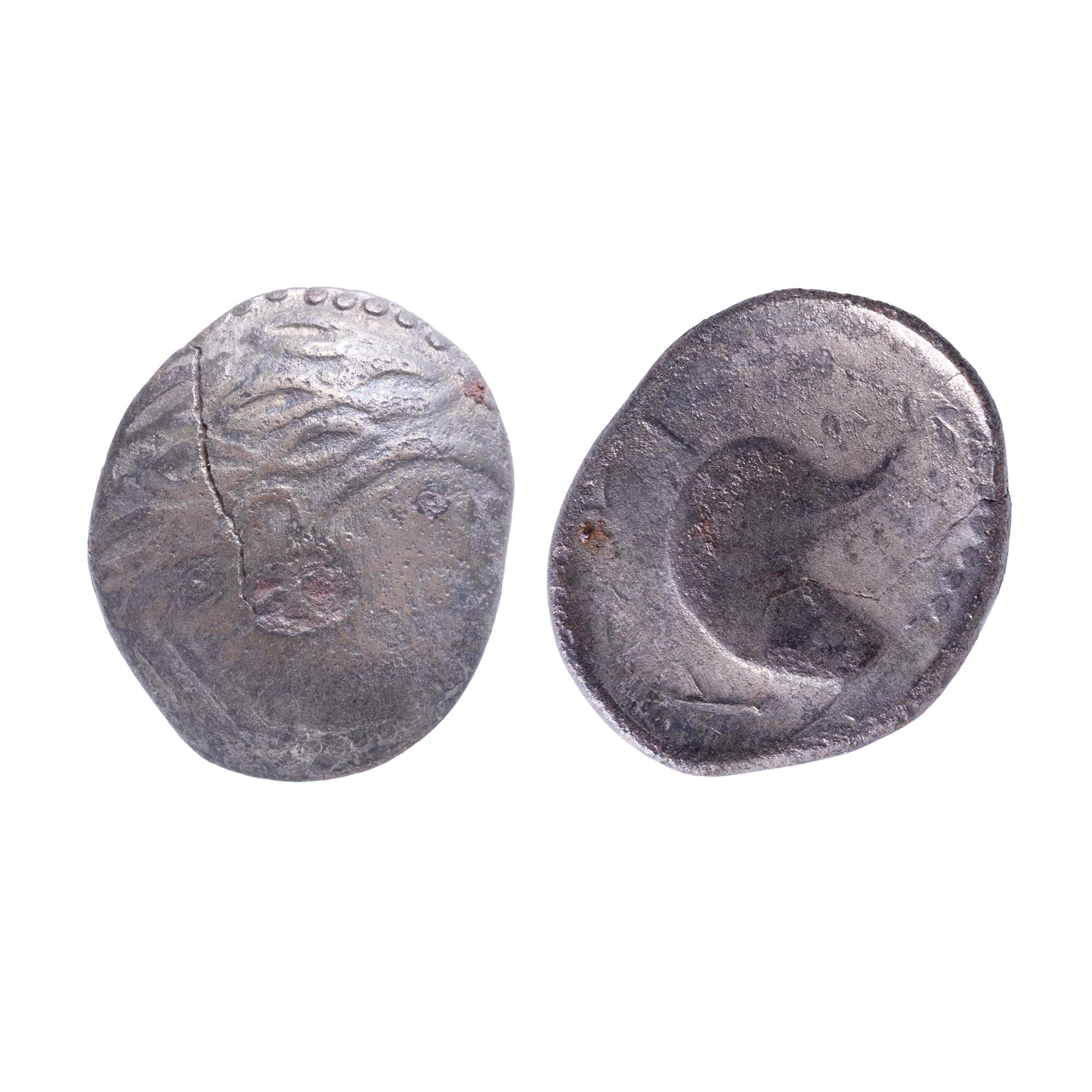
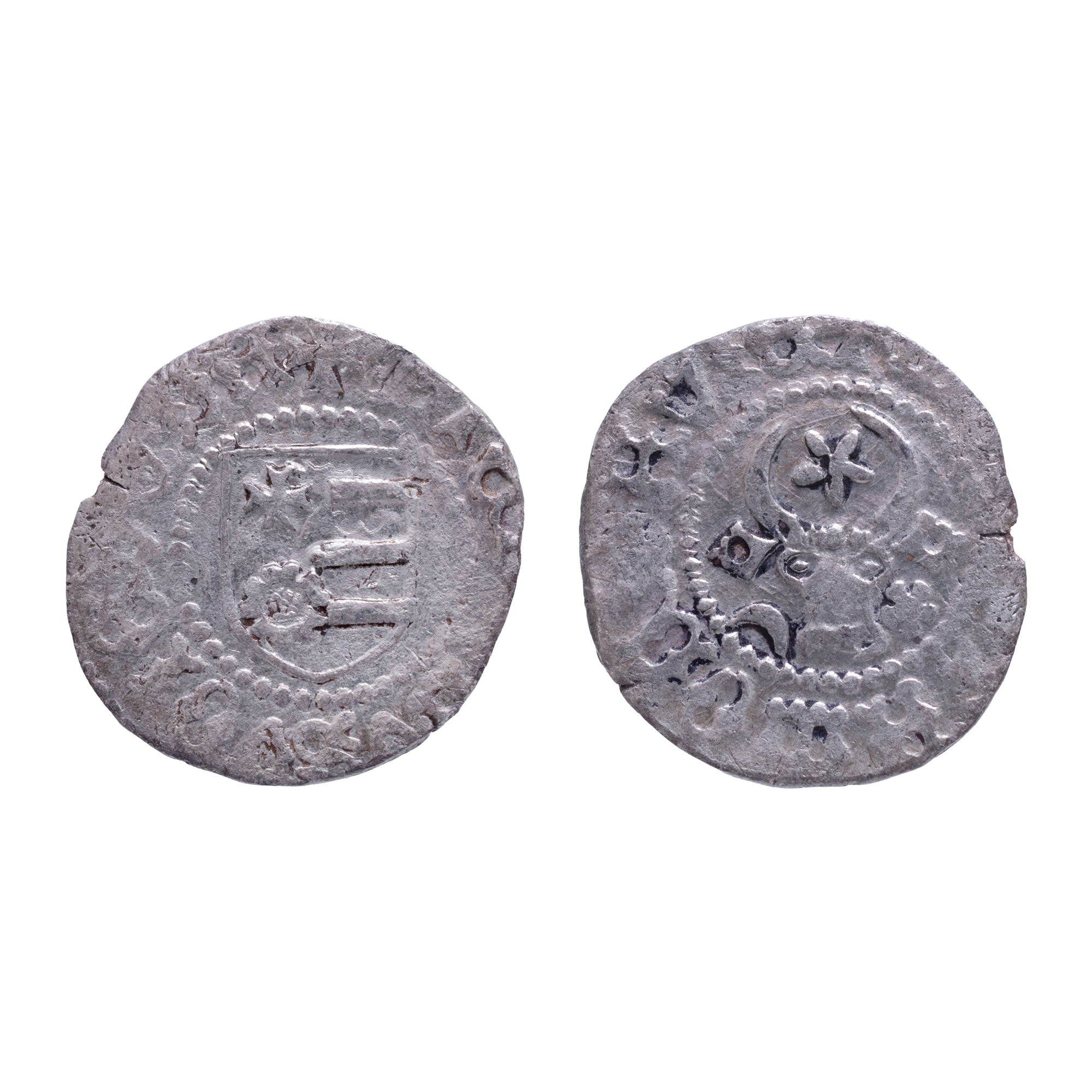
96. Gros Coin, Stephen the Great, Moldova, Type I, 1457-1504, Silver
Начална цена
Pretul de pornire si cel estimat nu sunt preturi de vanzare efective
Obverse: + MONETAMOLDAVIE; A bull's head with a star between its horns, with a rosette and crescent moon on the side. Reverse: + STEFANVSVOIEVODA; Split shield: I cross with equal arms (Maltese cross) above a rosette; II three beams.
Unassailably made, Saint Stephen the Great, canonized by the Romanian Orthodox Church, he was the ruler of Moldova for an extended period, leading between 1457 and 1504, that is, 47 years, which represents the longest reign of all two medieval Romanian Lands. The coins issued during his reign are gross and half gross, part of the Ottoman asper system, which continues the monetary reform begun by Petru Aron (1455-1457).
The coins struck by Stephen the Great have a particular importance from a historical, economic, political, and cultural perspective. That's why they are so valuable in the history of the Romanians:
1. Affirmation of Moldova's independence
In an era when many states around Moldova were vassals or under foreign influence, issuing their own coin was a symbol of sovereignty. By coining, Stefan the Great showed that Moldova is an independent state with full authority.
2. Consolidation of the internal economy:
The coins struck during his reign facilitated:
internal and external trade exchanges, payment of soldiers and officers, collection of taxes and duties. Thus, the currency was an instrument of economic stability in a period marked by wars and crises.
3. Political propaganda and image
Stephen's coins bore the coat of arms of Moldova (the bull's head) and, sometimes, the name of the ruler. It was a form of visual communication that conveyed: Stefan's authority, the legitimacy of his power, citizens' belonging to an organized and strong state.
4. Documentary and archaeological value
Today, the coins struck by Stephen the Great are primary sources for historians: they show us the technological level of the time, they provide information about trade relations, they show artistic and cultural influences.
5. Influence in the area
Through the circulation of Moldovan coins outside the borders, Moldova became an active economic player in the region. The Moldovan currency was accepted and used in Wallachia, Poland or Transylvania, reflecting the prestige of Stephen's reign.
Описание
silver
ДОПЪЛНИТЕЛНА ИНФОРМАЦИЯ
За разяснения относно процедурата по наддаване, разходите при спечелване, условията за гаранция, плащане и вземане на спечеления лот, препоръчваме внимателно четене/препрочитане на Правилника за наддаване.
Obverse: + MONETAMOLDAVIE; A bull's head with a star between its horns, with a rosette and crescent moon on the side. Reverse: + STEFANVSVOIEVODA; Split shield: I cross with equal arms (Maltese cross) above a rosette; II three beams.
Unassailably made, Saint Stephen the Great, canonized by the Romanian Orthodox Church, he was the ruler of Moldova for an extended period, leading between 1457 and 1504, that is, 47 years, which represents the longest reign of all two medieval Romanian Lands. The coins issued during his reign are gross and half gross, part of the Ottoman asper system, which continues the monetary reform begun by Petru Aron (1455-1457).
The coins struck by Stephen the Great have a particular importance from a historical, economic, political, and cultural perspective. That's why they are so valuable in the history of the Romanians:
1. Affirmation of Moldova's independence
In an era when many states around Moldova were vassals or under foreign influence, issuing their own coin was a symbol of sovereignty. By coining, Stefan the Great showed that Moldova is an independent state with full authority.
2. Consolidation of the internal economy:
The coins struck during his reign facilitated:
internal and external trade exchanges, payment of soldiers and officers, collection of taxes and duties. Thus, the currency was an instrument of economic stability in a period marked by wars and crises.
3. Political propaganda and image
Stephen's coins bore the coat of arms of Moldova (the bull's head) and, sometimes, the name of the ruler. It was a form of visual communication that conveyed: Stefan's authority, the legitimacy of his power, citizens' belonging to an organized and strong state.
4. Documentary and archaeological value
Today, the coins struck by Stephen the Great are primary sources for historians: they show us the technological level of the time, they provide information about trade relations, they show artistic and cultural influences.
5. Influence in the area
Through the circulation of Moldovan coins outside the borders, Moldova became an active economic player in the region. The Moldovan currency was accepted and used in Wallachia, Poland or Transylvania, reflecting the prestige of Stephen's reign.
ДОПЪЛНИТЕЛНА ИНФОРМАЦИЯ
За разяснения относно процедурата по наддаване, разходите при спечелване, условията за гаранция, плащане и вземане на спечеления лот, препоръчваме внимателно четене/препрочитане на Правилника за наддаване.