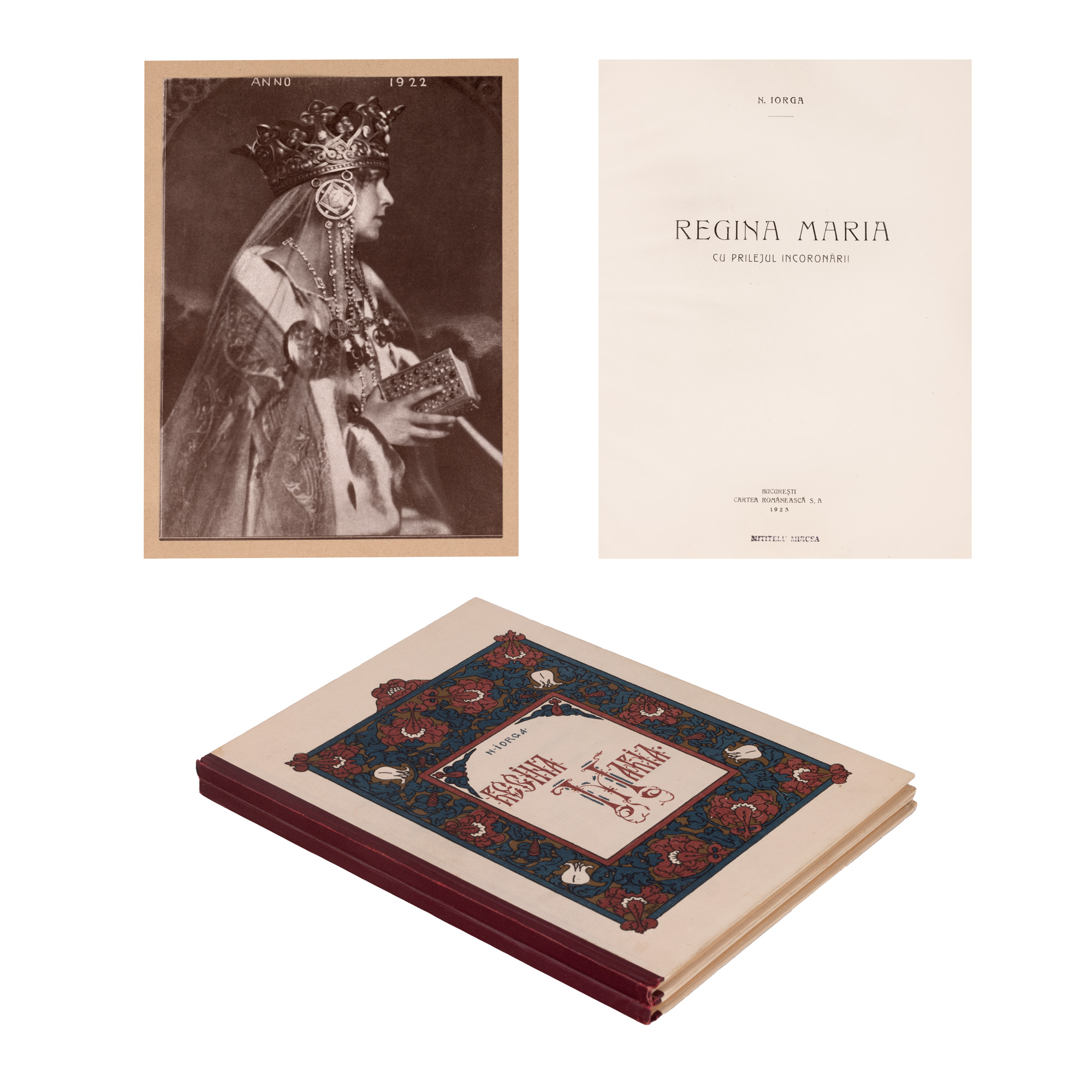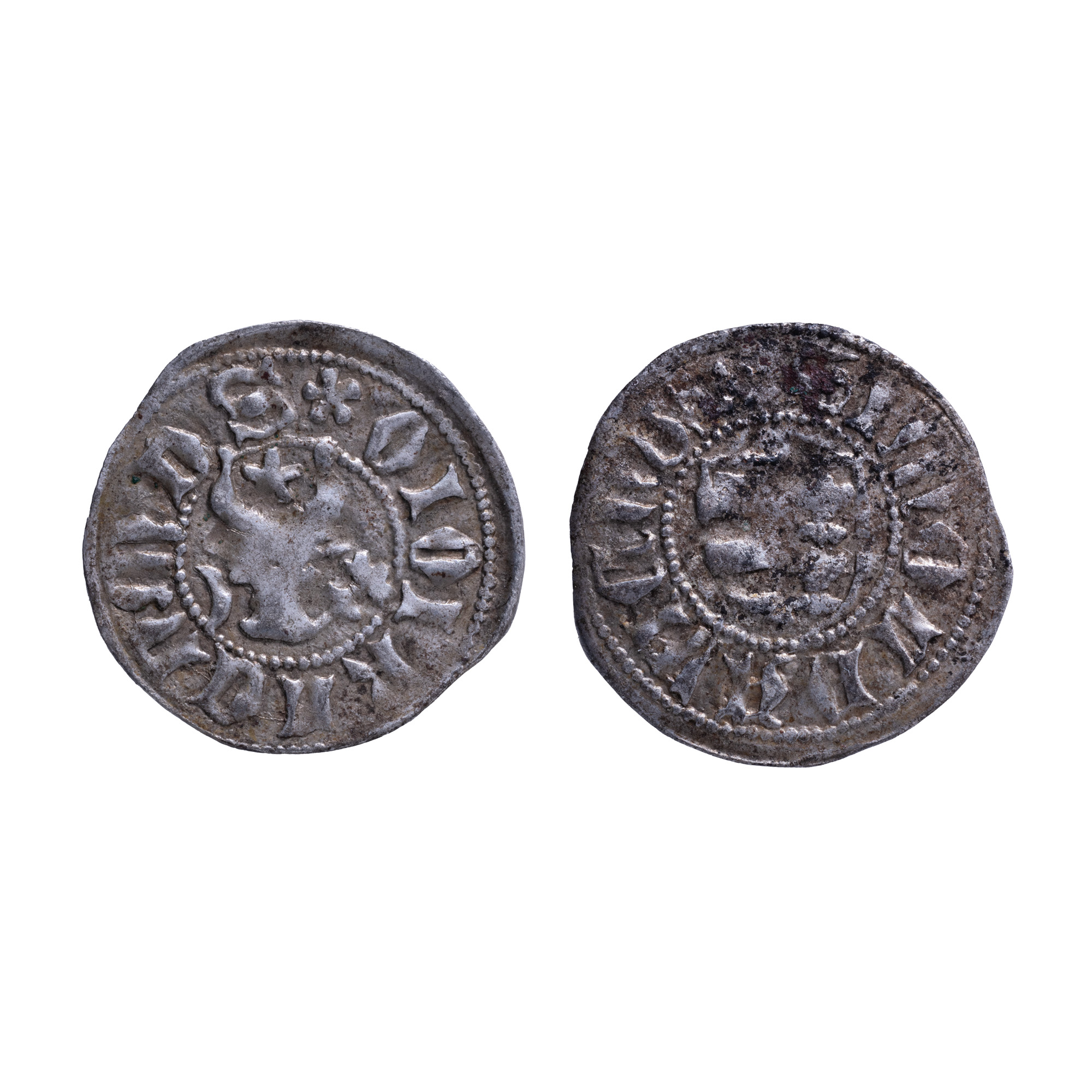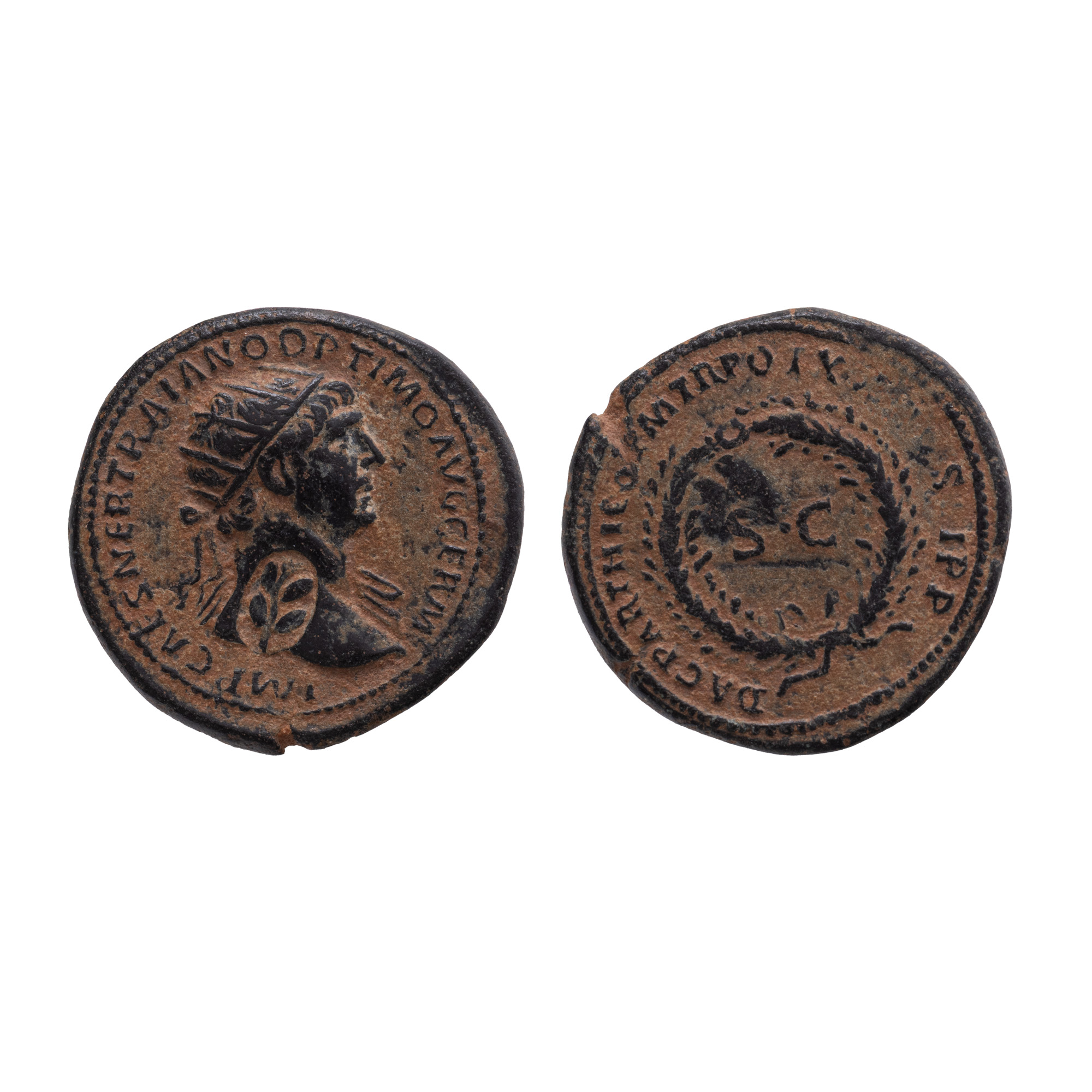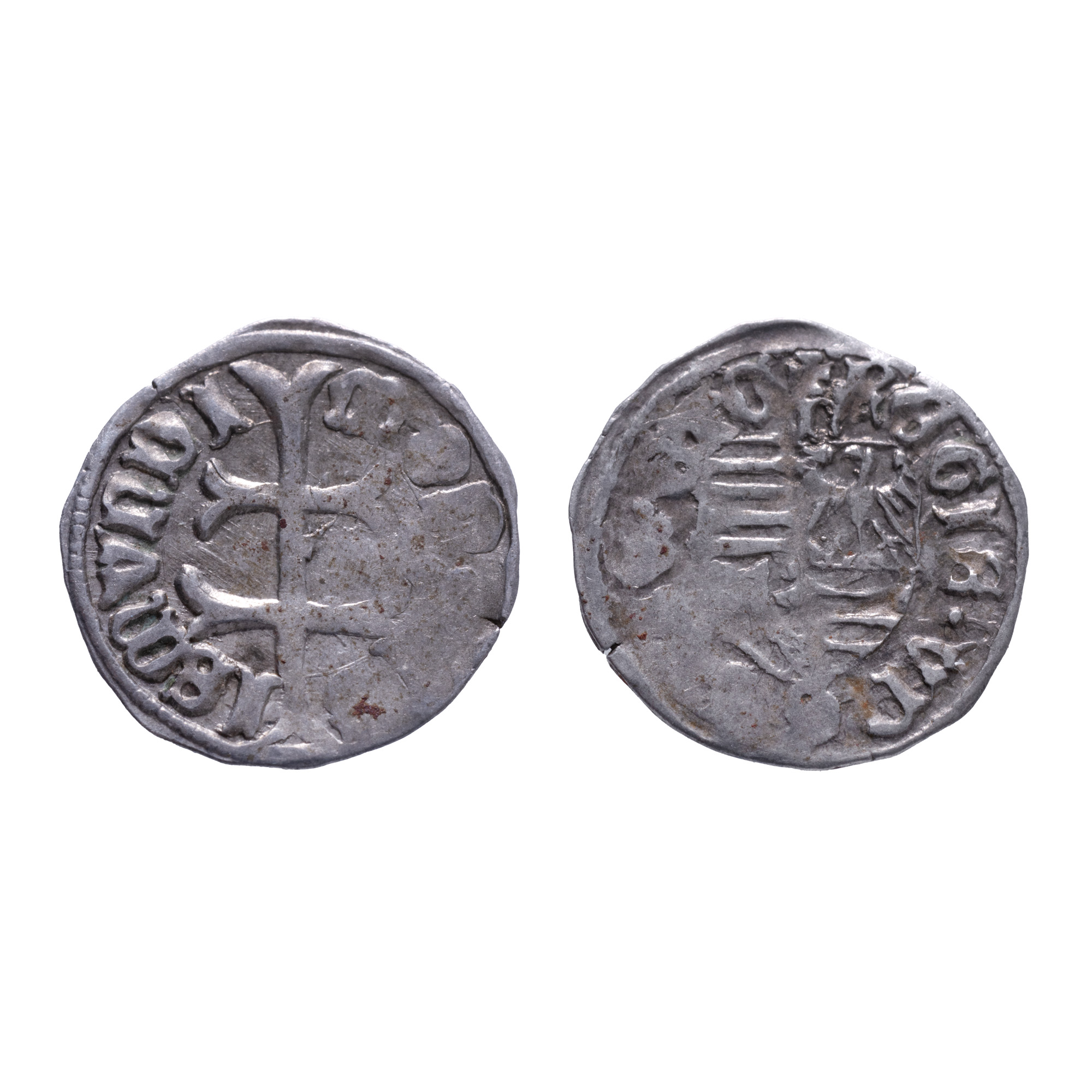

Снимките на лота са с информативен и илюстративен характер и не могат да предоставят изключително детайлен изглед на обекта от всички ъгли. Препоръчваме внимателен оглед на лота на място, преди да направите наддаване.
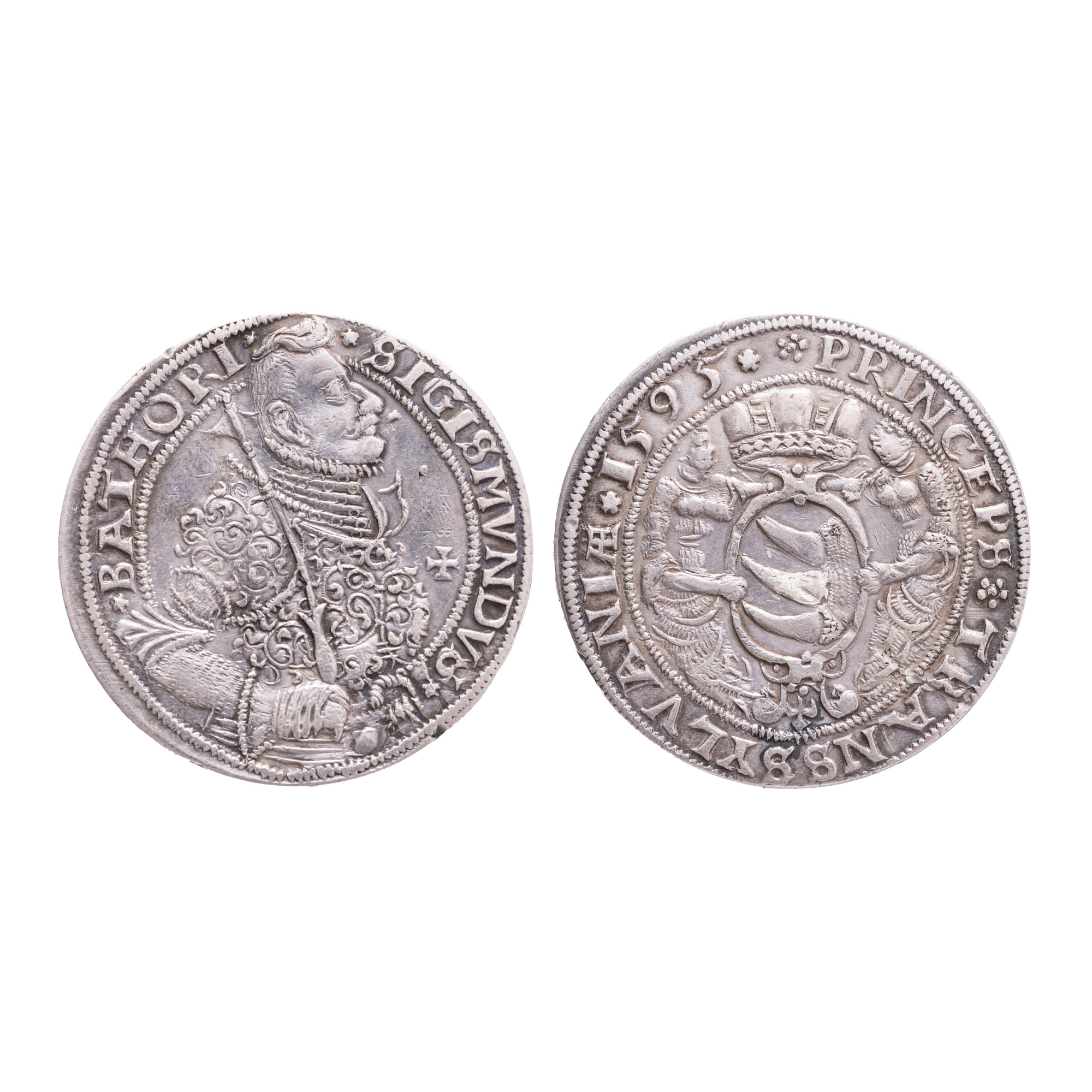
100. Taler Coin, Sigismund Bathory, Principality of Transylvania, 1595, Minted in Baia Mare, Silver, Collectible piece
Продажна цена
Pretul de pornire si cel estimat nu sunt preturi de vanzare efective
Obverse: BATHORI • SIGISMUNDUS, next to his bust with scepter, facing left Reverse: PRINCEPS * TRANSSYLVANIA * 1595, next to the coat of arms.
Coins minted under the rule of Sigismund Bathory not only reflected his control over the mints in Transylvania but also promoted economic stability through clear value standards. This was a period when the importance of currency and control over it was crucial for any ruler, and the minted thalers were a concrete manifestation of this economic and political authority.
Sigismund Báthory plays a vital role in understanding the political context of the end of the sixteenth century, especially in relation to Michael the Brave, the ruler of Wallachia. Between the two there was a complex relationship, marked by strategic alliances, rivalries and betrayals, but also by moments of cooperation that decisively influenced the course of Romanian history.
In the context of the fight against the Ottoman Empire, Sigismund Báthory, Prince of Transylvania and ally of the Habsburgs, sought to create a Christian alliance in Southeast Europe. In this effort, he co-opted Michael the Brave, who was also interested in liberating Wallachia from Ottoman domination. Thus, in 1595, an anti-Ottoman alliance was concluded between the two, formalized by the Treaty of Alba Iulia, in which Michael the Brave recognized Sigismund's suzerainty over Wallachia, in exchange for military support.
This alliance allowed the successful military campaigns against the Ottomans, culminating in important battles, such as the one at Călugăreni (1595), where Michael demonstrated remarkable military talent. The support offered by Sigismund - although sometimes hesitant or insufficient - was nevertheless an important factor in maintaining anti-Ottoman resistance in the region.
The relationship between the two, however, quickly deteriorated. Sigismund, concerned with his own power games and influenced by his noble court, began to see Michael as a dangerous rival. As a result, the alliance broke down, and Sigismund participated in hostile actions against Michael, even in moments when Michael tried to consolidate the unification of the three Romanian provinces - Wallachia, Transylvania and Moldova.
Yet, even in the context of betrayal and conflict, the relationship between Sigismund Báthory and Michael the Brave remains a central point in the era of the struggle for independence and the unification of the Romanians. Through their temporary alliance, an important historical precedent was created: the idea of a coordinated military action between the Romanian principalities for a common ideal - independence from the Ottoman Empire.
Описание
silver
ДОПЪЛНИТЕЛНА ИНФОРМАЦИЯ
За разяснения относно процедурата по наддаване, разходите при спечелване, условията за гаранция, плащане и вземане на спечеления лот, препоръчваме внимателно четене/препрочитане на Правилника за наддаване.
Obverse: BATHORI • SIGISMUNDUS, next to his bust with scepter, facing left Reverse: PRINCEPS * TRANSSYLVANIA * 1595, next to the coat of arms.
Coins minted under the rule of Sigismund Bathory not only reflected his control over the mints in Transylvania but also promoted economic stability through clear value standards. This was a period when the importance of currency and control over it was crucial for any ruler, and the minted thalers were a concrete manifestation of this economic and political authority.
Sigismund Báthory plays a vital role in understanding the political context of the end of the sixteenth century, especially in relation to Michael the Brave, the ruler of Wallachia. Between the two there was a complex relationship, marked by strategic alliances, rivalries and betrayals, but also by moments of cooperation that decisively influenced the course of Romanian history.
In the context of the fight against the Ottoman Empire, Sigismund Báthory, Prince of Transylvania and ally of the Habsburgs, sought to create a Christian alliance in Southeast Europe. In this effort, he co-opted Michael the Brave, who was also interested in liberating Wallachia from Ottoman domination. Thus, in 1595, an anti-Ottoman alliance was concluded between the two, formalized by the Treaty of Alba Iulia, in which Michael the Brave recognized Sigismund's suzerainty over Wallachia, in exchange for military support.
This alliance allowed the successful military campaigns against the Ottomans, culminating in important battles, such as the one at Călugăreni (1595), where Michael demonstrated remarkable military talent. The support offered by Sigismund - although sometimes hesitant or insufficient - was nevertheless an important factor in maintaining anti-Ottoman resistance in the region.
The relationship between the two, however, quickly deteriorated. Sigismund, concerned with his own power games and influenced by his noble court, began to see Michael as a dangerous rival. As a result, the alliance broke down, and Sigismund participated in hostile actions against Michael, even in moments when Michael tried to consolidate the unification of the three Romanian provinces - Wallachia, Transylvania and Moldova.
Yet, even in the context of betrayal and conflict, the relationship between Sigismund Báthory and Michael the Brave remains a central point in the era of the struggle for independence and the unification of the Romanians. Through their temporary alliance, an important historical precedent was created: the idea of a coordinated military action between the Romanian principalities for a common ideal - independence from the Ottoman Empire.
ДОПЪЛНИТЕЛНА ИНФОРМАЦИЯ
За разяснения относно процедурата по наддаване, разходите при спечелване, условията за гаранция, плащане и вземане на спечеления лот, препоръчваме внимателно четене/препрочитане на Правилника за наддаване.