

109. On the Knife [circa 1912]
The photos of the lot are informative and indicative, and cannot provide a highly detailed view of the object from all angles. We recommend a careful physical inspection of the lot before bidding.
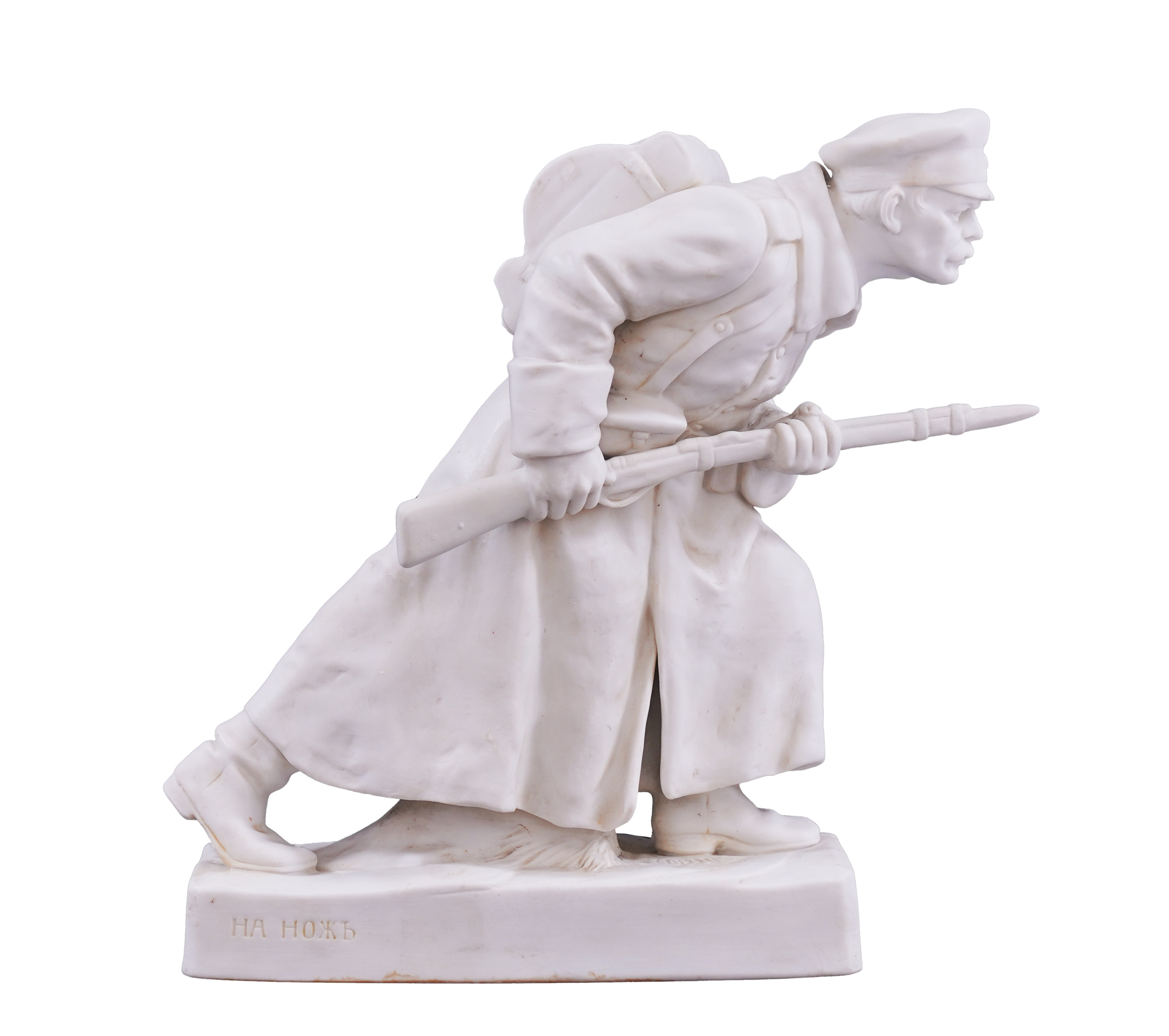
109. On the Knife [circa 1912]
1889, Karlovo - 1952, Sofia
Estimate:
EUR 1.000 - 1.800
Sold
EUR 3.750
References
Domozetski, Lyuben, "And in a humble passion she waits... " Ivan Lazarov and Bulgarian Art in the First Half of the 20th Century", Sofia City Art Gallery, 2019; Boshev, Nikolay, "Ivan Lazarov, The Sculptor", Acad. ed. Prof. Marin Drinov, Sofia, 2007.
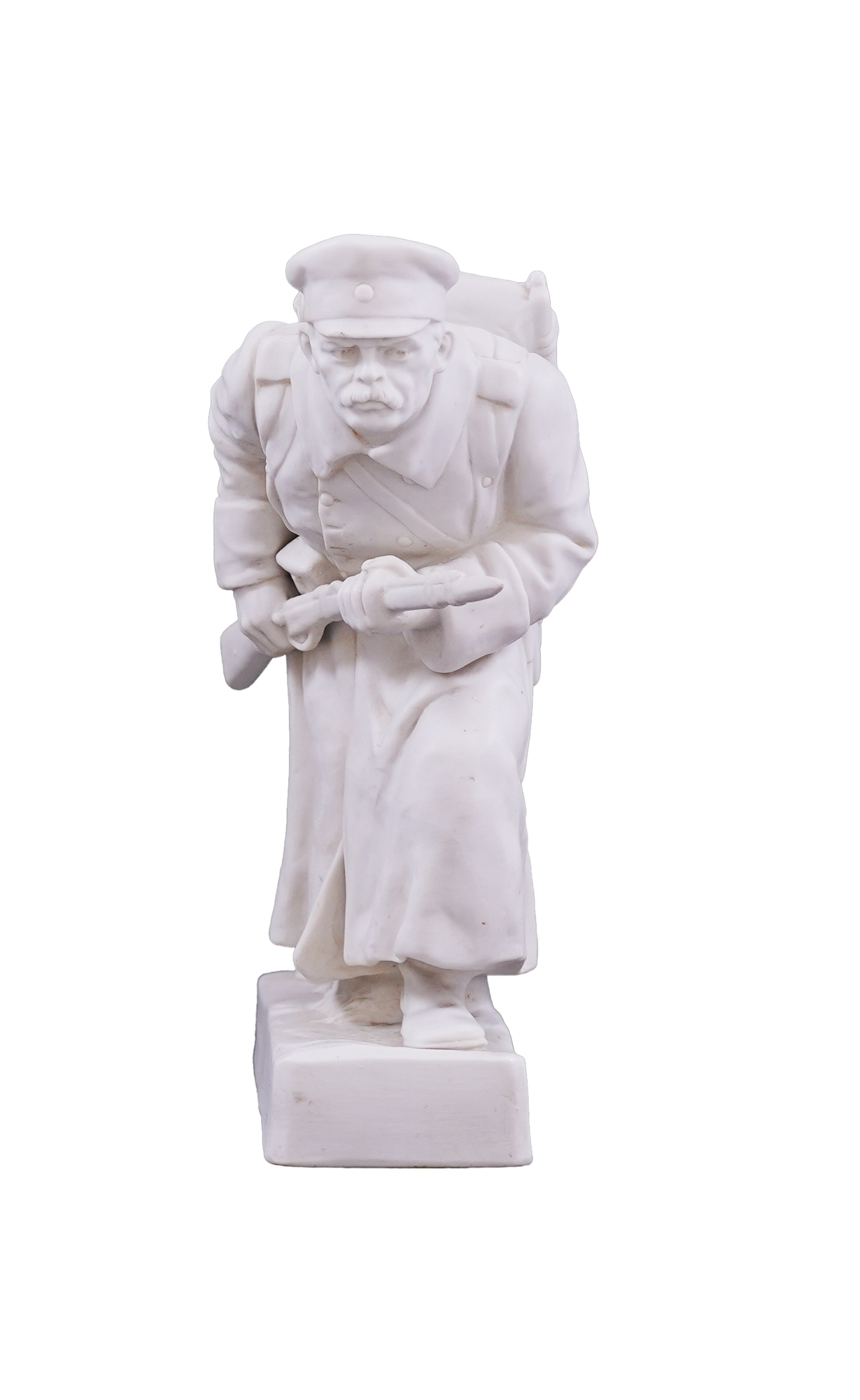
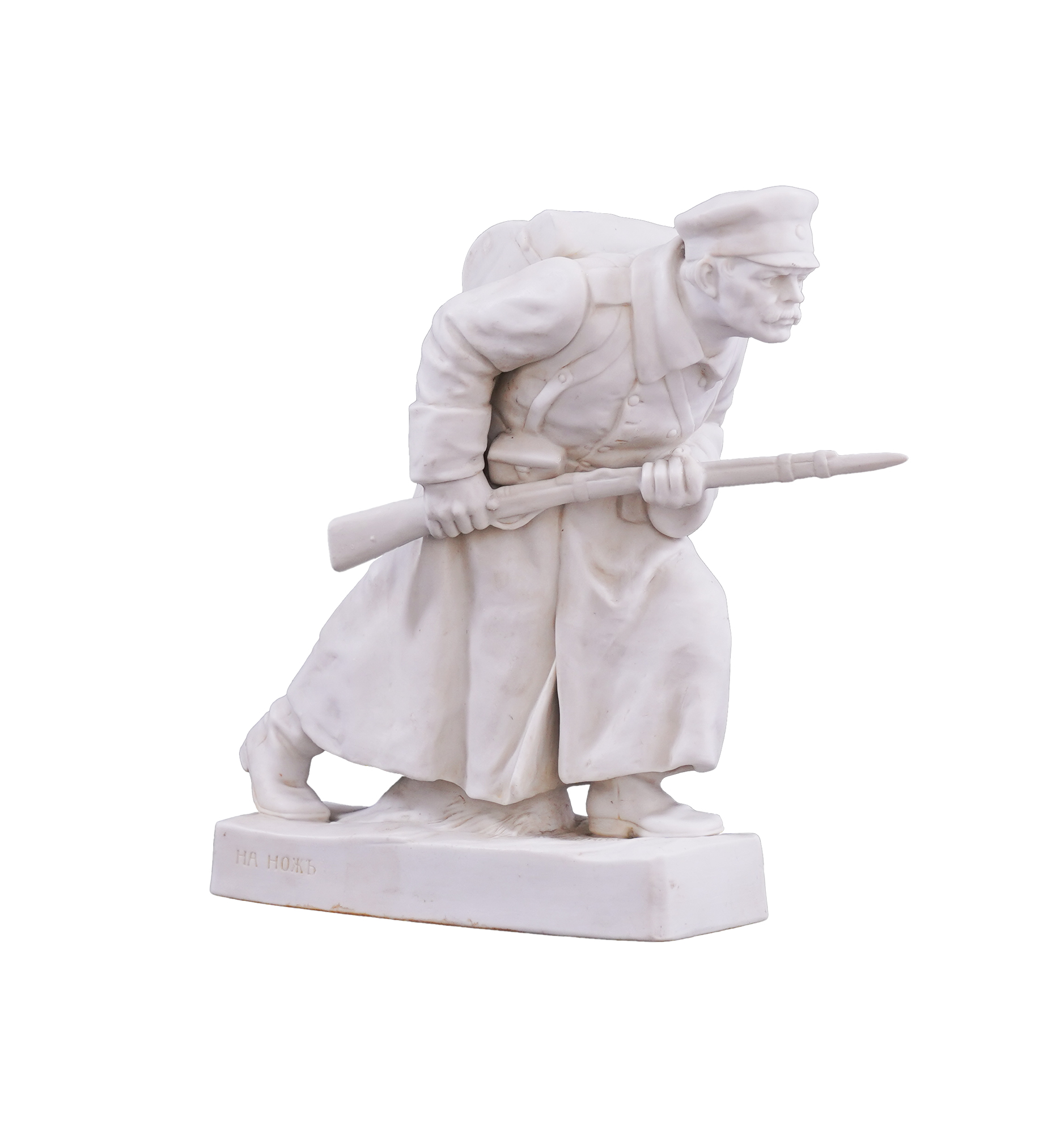
porcelain, 21 x 22 x 9 cm
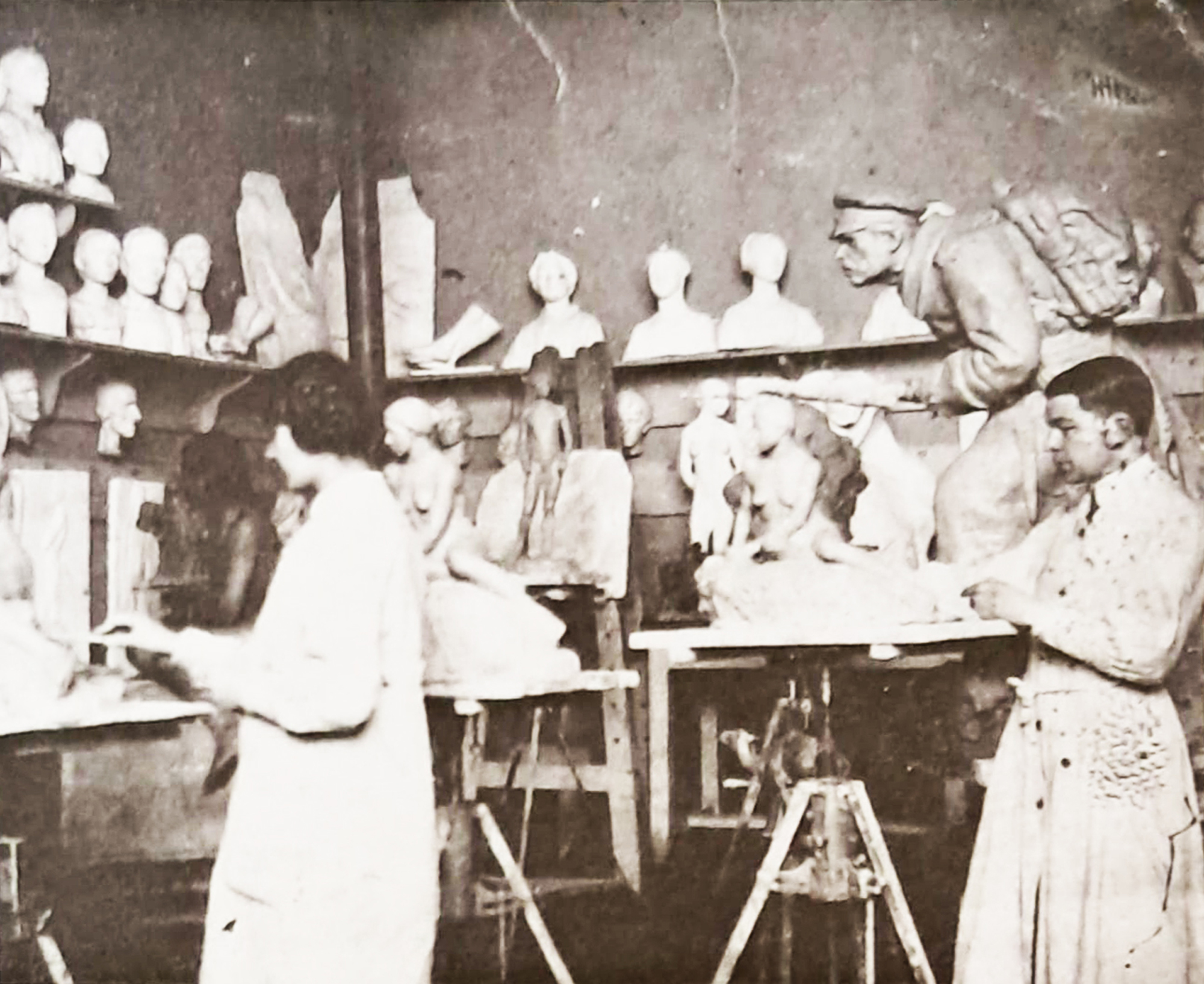
Ivan Lazarov was born in 1889 in the city of Karlovo and is often considered one of the most important creators in the history of Bulgarian art from the first half of the 20th century. As early as his graduation from the State Art and Industrial School in 1912, the young artist left his most distinctive imprint on Bulgarian sculpture under the influence of the Balkan Wars.
In December 1913, an exhibition was opened in the halls of the State Art and Industrial School in Sofia, where Lazarov presented several small sculptures entitled "Impressions of War”. They include the works "They Won", "Awaiting", "Mothers", and "At Knifepoint". The group presents the heroism and self-denial manifested by the Bulgarian peasant on the battlefields of the Balkan War. Specifically for the latter, the aide-de-camp of the current Bulgarian army, Luka Maleev, writes in the newspaper "Military News": “The idea “At Knifepoint!” is a symbol of those thunderous victories, that thirst for the Bulgarian army, which led it in three weeks to the walls of Istanbul. What was achieved through this cry speaks only of its grandeur”.
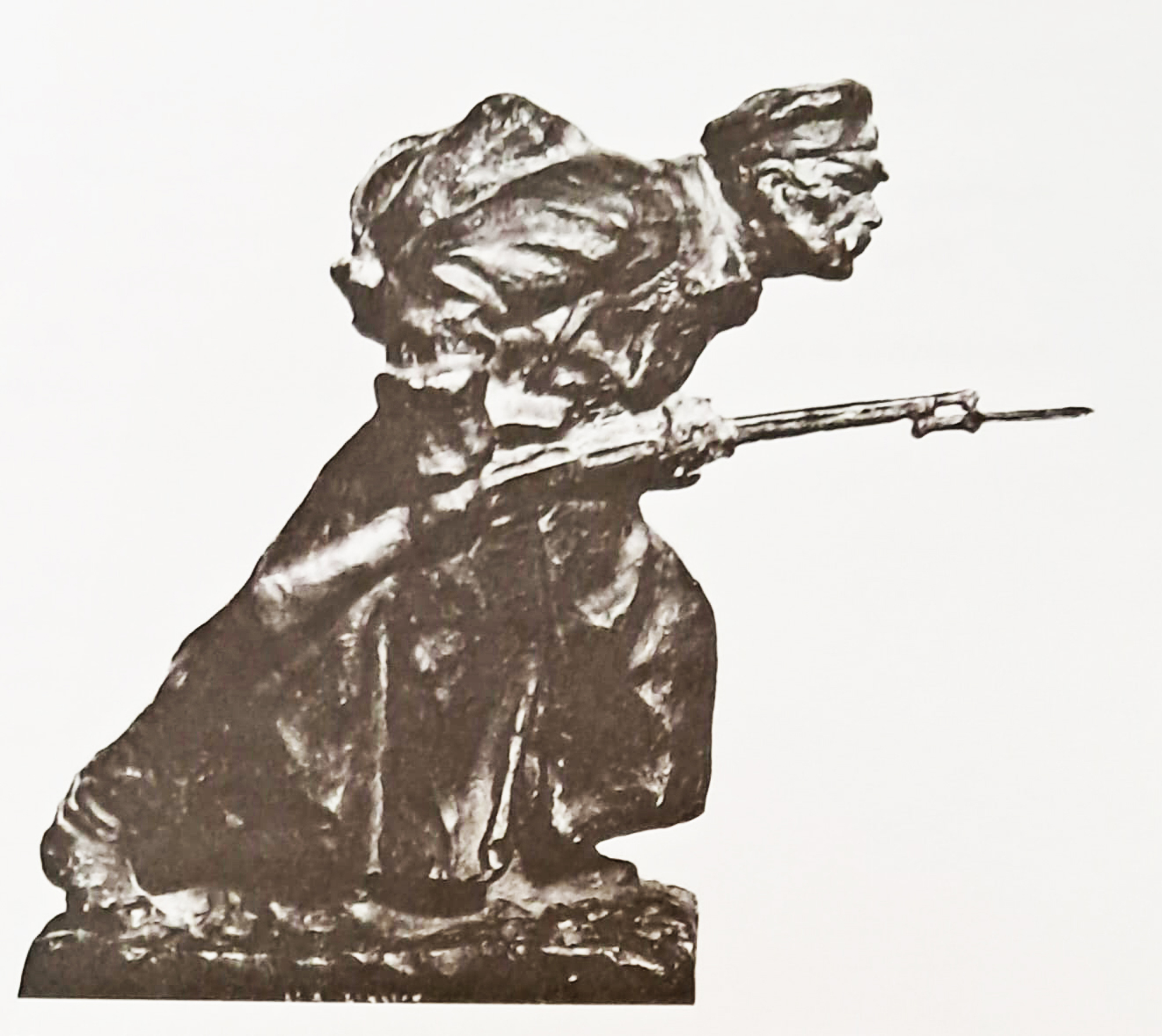
"Knifepoint" represents the idealized idea, courage and determination of the soldier between 1912 and 1913, some of the most turbulent and crisis periods of Bulgarian history at the beginning of the last century. In this work, the Bulgarian soldier is shown at the decisive moment of the battle - the kneeling pose, as well as the right leg, which is ready to jump off the ground gives the feeling of readiness and self-sacrifice of the soldier, and the focused and serious look shows dedication to the Bulgarian cause.
Ivan Lazarov developed this sculpture in several different materials, one of the more famous versions is made of patinated plaster. However, in the porcelain work, the sculpture acquires a unique delicacy, contrasting with the war scene depicted by the author. Although the material is fragile, it enhances the tension in the work, symbolizing the instability and vulnerability of human nature during war.
With the works from his first group, which is included in the exhibition in December 1913, Lazarov not only presents the patriotic national psychology, needed by Bulgarians during these challenging years, but also sets a precedent in the history of folk art, laying the foundation of a long tradition in Bulgarian sculpture. (M.Z.)
For clarifications regarding the bidding procedure, hammer price costs, guarantee, payment, and collection terms for the winning lot, we recommend carefully reading/re-reading the Bidding Regulations.
For additional information regarding the lot and the auction, please contact the Art Consultants Department.
SESSION
Brought to you by
Similar lots