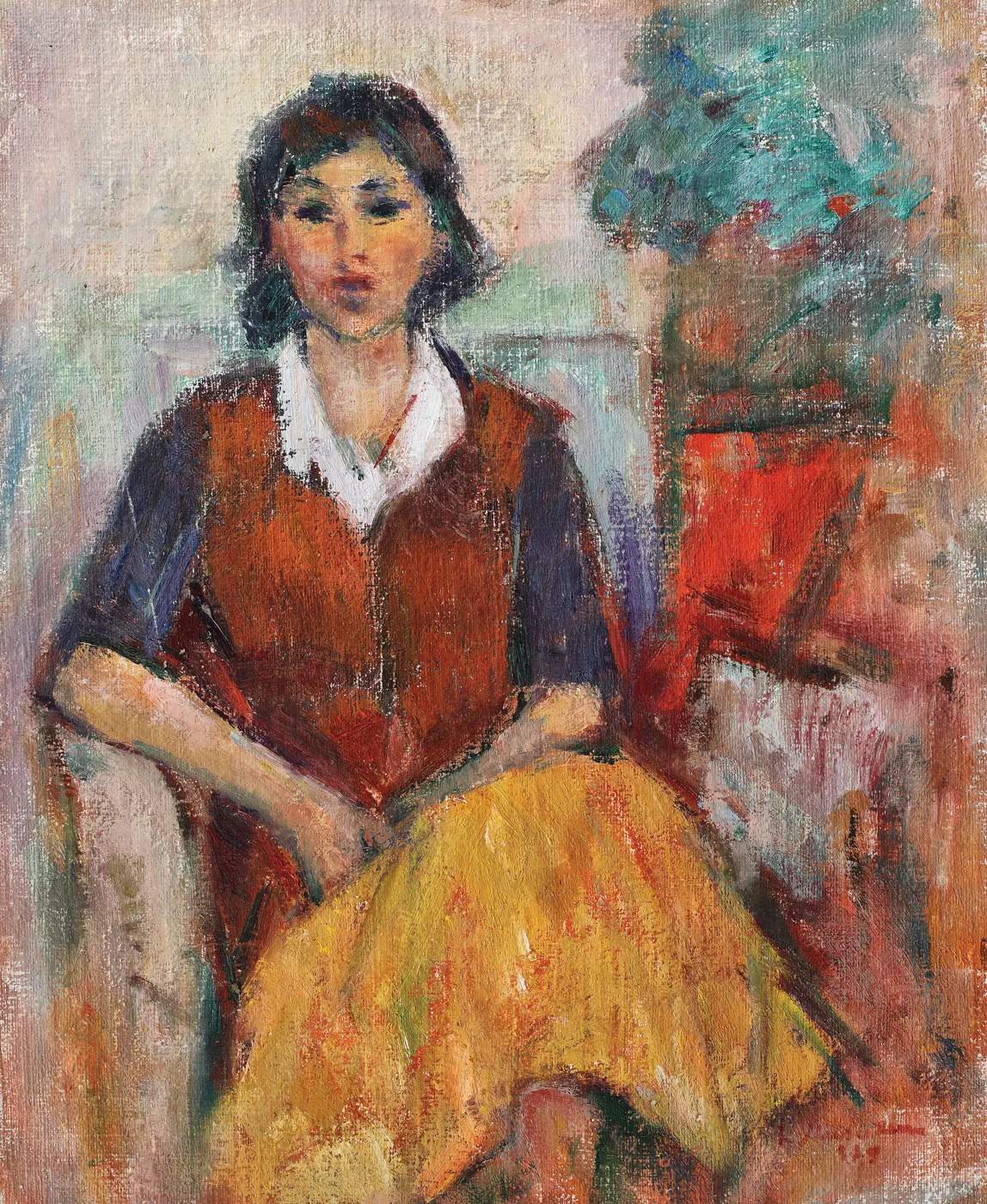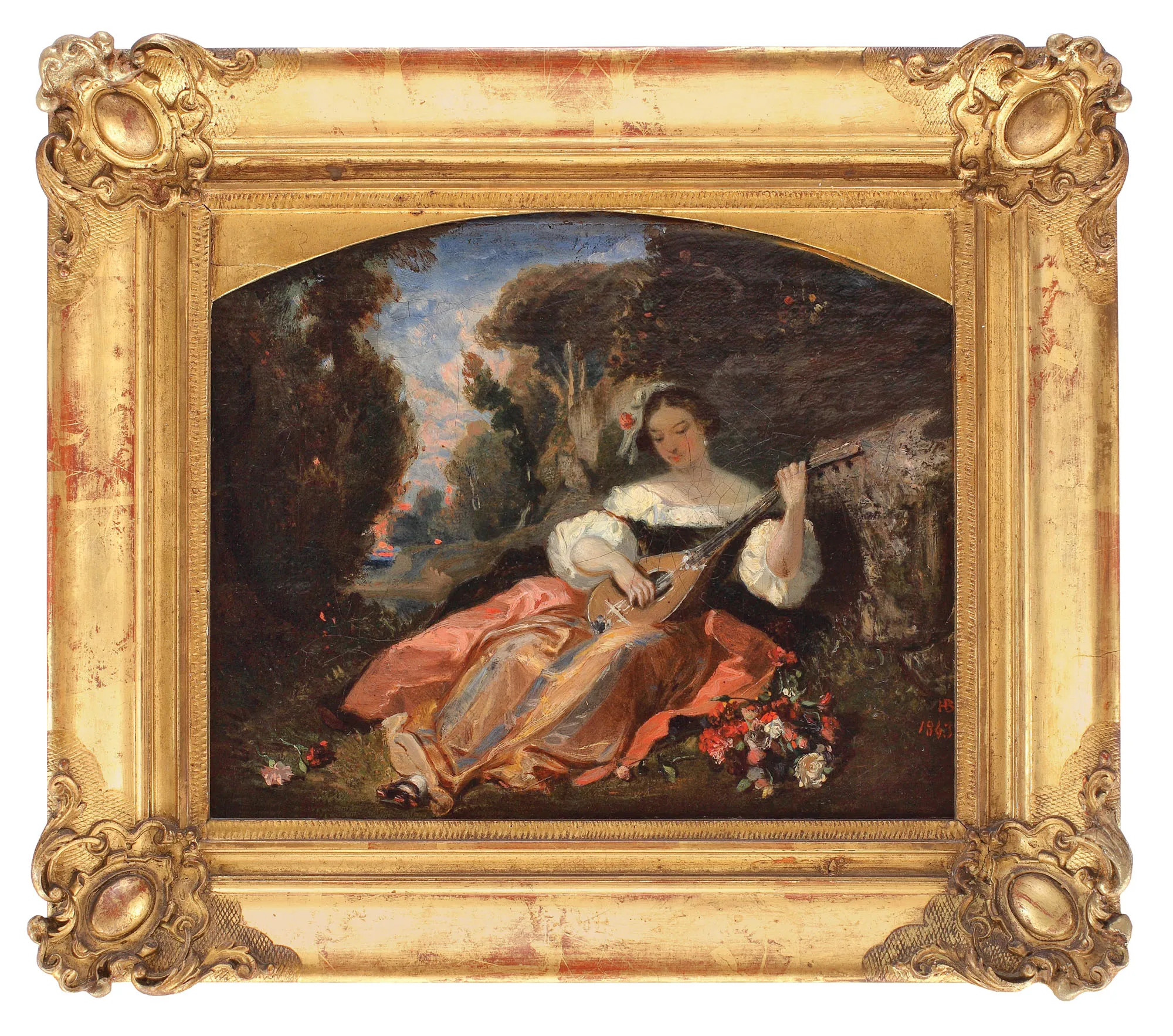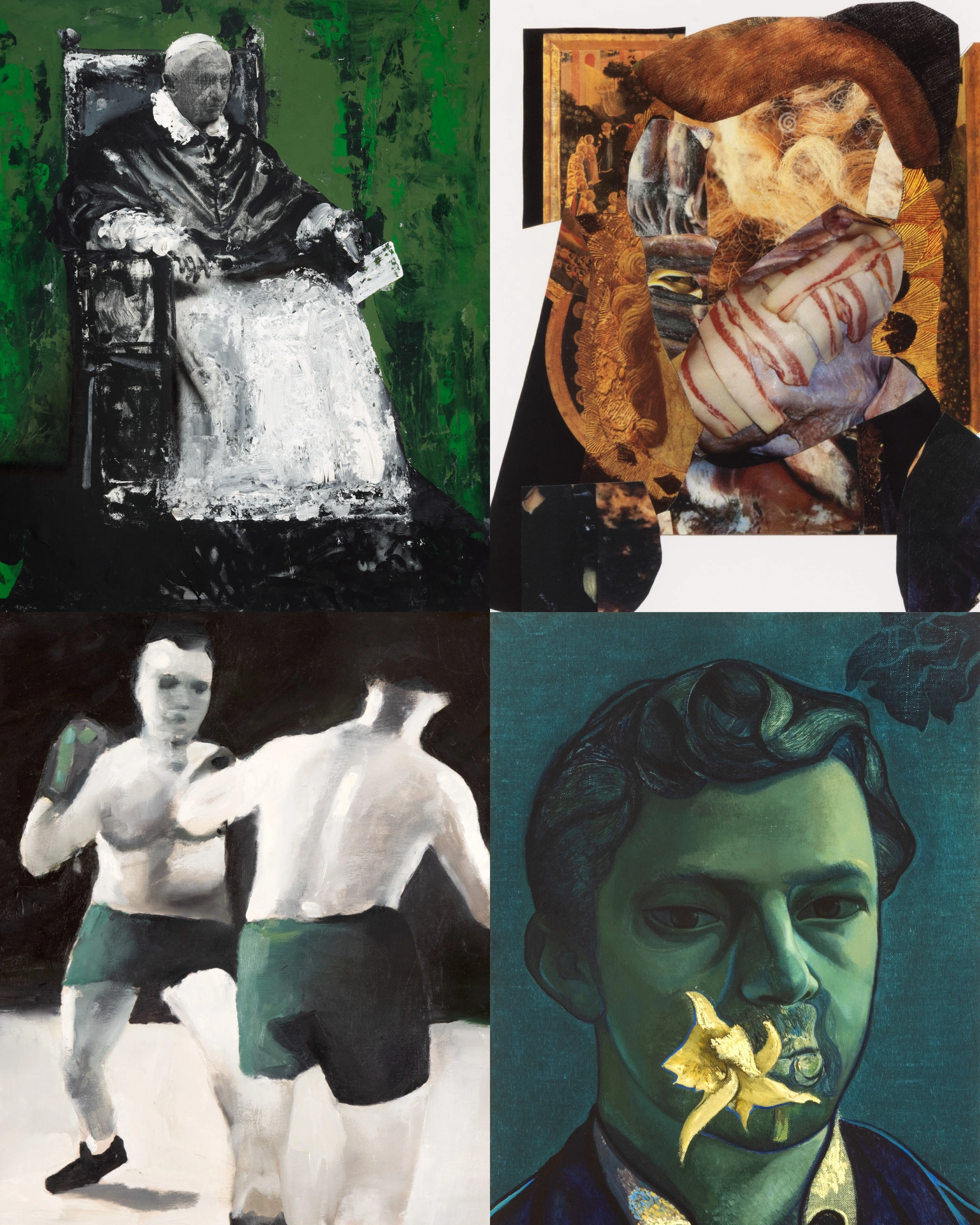



Снимките на лота са с информативен и илюстративен характер и не могат да предоставят изключително детайлен изглед на обекта от всички ъгли. Препоръчваме внимателен оглед на лота на място, преди да направите наддаване.
"It is only in a sketch that one can remain honest until the end, in a minute painting one starts noticing oneself - and from that point onwards it is more craft than art", confessed Grigorescu in one of the frequent conversations he had with his good friend Al. Vlahuță. Even though this oil painting seems to be more than a simple sketch, with the "neat" aspect of the canvas, it answers to the same aesthetic premise to which Grigorescu related. If we analyse the entire creation of the painter and we look for the recurrence of the motif - the sheep - we cannot ignore the fact that most compositions that include this motif have a rather special "status". The classical oil paintings with herds of sheep, with shepherds or peasant girls with a spindle that seem to take care of sheep, are those that make up the deep substance of the paintings marking the integration of the motif in Grigorescu's creation and they are also different aesthetically from the typology of this painting. Thus, we can bring the "Sheep" closer to the studio sketches, without diminishing their pictorial importance. Worked in a restricted palette of whites and neutrals, this oil painting is a display of virtuosity attesting the artist's unmistakeable, alert and focused style when he paints en plein air, proving his ability of synthetically convey shape. As regards the motif, Grigorescu is revealed to us as a fine connoisseur of anatomic qualities, as well as of the manner of transposing the drawing into an oil painting. The brief depiction of the sheep's head - with its specific skull shape - is the result of a long study exercise - life drawing - that started during his apprenticeship in Barbizon and Marlotte. The appearance of the animal in Grigorescu's painting is clearly influenced by the period spent among the realists around the forest of Fontainebleau, and, even though it was considered a minor motif, it found its resonance in the context of the peasant's theme, so often seen in Millet or Courbet. The domestic animal (sheep, oxen, dogs), along with game (even though hunting paintings are rare in Grigorescu), it occasioned a deeper study of the Romanian pastoral world, in which Grigorescu found almost all French rural themes, under the influence of which he matured as an artist. The countless sketches made in pencil (see "Ox", National Art Museum of Romania, inv. 2589, "Dog Study", National Art Museum of Romania, inv. 2571, etc.), charcoal or dip pen attest Grigorescu's great interest in these subjects, which, when not used in his renowned compositions, appear in such oil paintings of more intimate resonance. Such works, created in the style of a "portrait" (see "Lambs", Zambaccian Museum, inv. 11, "Cattle heads", Cluj-Napoca Art Museum, inv. 15 or "Ox head", National Art Museum of Romania, inv. 3451) thus become stand-alone works, with a special pictorial presence, as well as a treatment in the modern language. (I.P.)
Размери
width 35 cm, height 26.5 cm
Описание
oil on canvas, signed lower left "Grigorescu", in red
Lot.material_carats
ulei pe pânză
ДОПЪЛНИТЕЛНА ИНФОРМАЦИЯ
За разяснения относно процедурата по наддаване, разходите при спечелване, условията за гаранция, плащане и вземане на спечеления лот, препоръчваме внимателно четене/препрочитане на Правилника за наддаване.
"It is only in a sketch that one can remain honest until the end, in a minute painting one starts noticing oneself - and from that point onwards it is more craft than art", confessed Grigorescu in one of the frequent conversations he had with his good friend Al. Vlahuță. Even though this oil painting seems to be more than a simple sketch, with the "neat" aspect of the canvas, it answers to the same aesthetic premise to which Grigorescu related. If we analyse the entire creation of the painter and we look for the recurrence of the motif - the sheep - we cannot ignore the fact that most compositions that include this motif have a rather special "status". The classical oil paintings with herds of sheep, with shepherds or peasant girls with a spindle that seem to take care of sheep, are those that make up the deep substance of the paintings marking the integration of the motif in Grigorescu's creation and they are also different aesthetically from the typology of this painting. Thus, we can bring the "Sheep" closer to the studio sketches, without diminishing their pictorial importance. Worked in a restricted palette of whites and neutrals, this oil painting is a display of virtuosity attesting the artist's unmistakeable, alert and focused style when he paints en plein air, proving his ability of synthetically convey shape. As regards the motif, Grigorescu is revealed to us as a fine connoisseur of anatomic qualities, as well as of the manner of transposing the drawing into an oil painting. The brief depiction of the sheep's head - with its specific skull shape - is the result of a long study exercise - life drawing - that started during his apprenticeship in Barbizon and Marlotte. The appearance of the animal in Grigorescu's painting is clearly influenced by the period spent among the realists around the forest of Fontainebleau, and, even though it was considered a minor motif, it found its resonance in the context of the peasant's theme, so often seen in Millet or Courbet. The domestic animal (sheep, oxen, dogs), along with game (even though hunting paintings are rare in Grigorescu), it occasioned a deeper study of the Romanian pastoral world, in which Grigorescu found almost all French rural themes, under the influence of which he matured as an artist. The countless sketches made in pencil (see "Ox", National Art Museum of Romania, inv. 2589, "Dog Study", National Art Museum of Romania, inv. 2571, etc.), charcoal or dip pen attest Grigorescu's great interest in these subjects, which, when not used in his renowned compositions, appear in such oil paintings of more intimate resonance. Such works, created in the style of a "portrait" (see "Lambs", Zambaccian Museum, inv. 11, "Cattle heads", Cluj-Napoca Art Museum, inv. 15 or "Ox head", National Art Museum of Romania, inv. 3451) thus become stand-alone works, with a special pictorial presence, as well as a treatment in the modern language. (I.P.)
ДОПЪЛНИТЕЛНА ИНФОРМАЦИЯ
За разяснения относно процедурата по наддаване, разходите при спечелване, условията за гаранция, плащане и вземане на спечеления лот, препоръчваме внимателно четене/препрочитане на Правилника за наддаване.