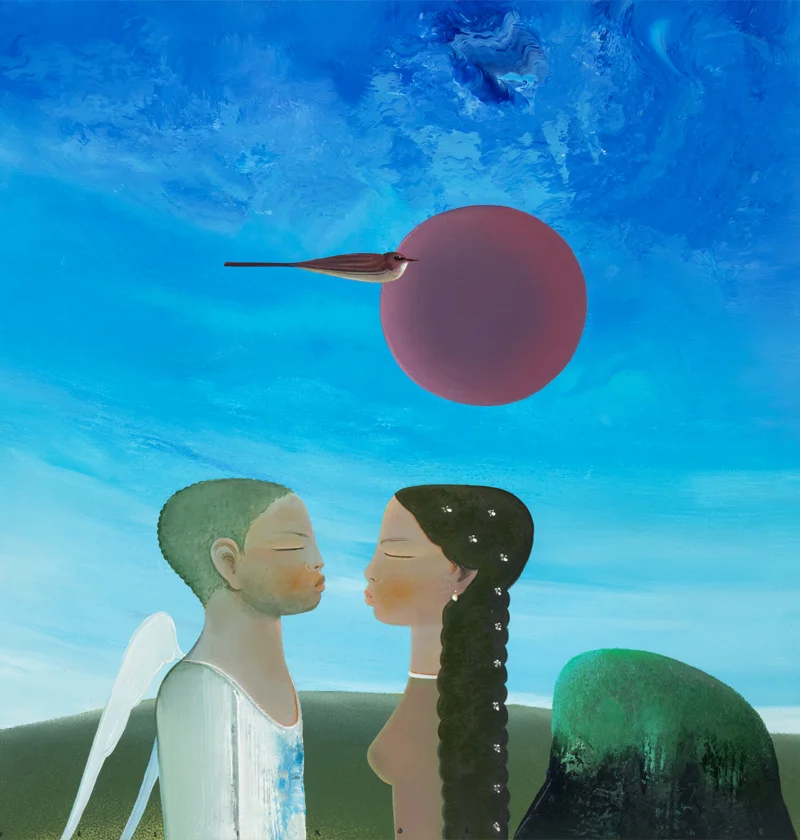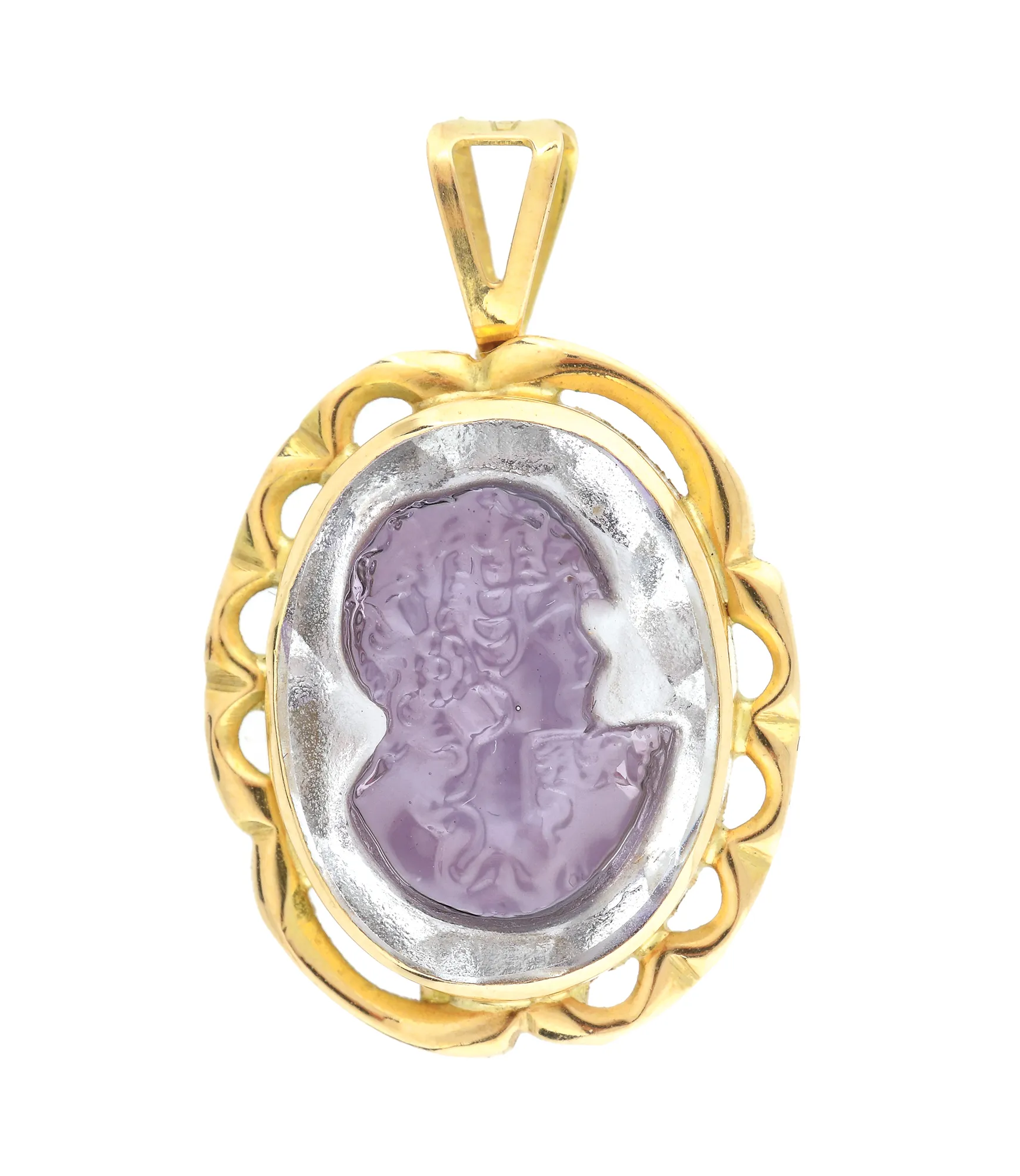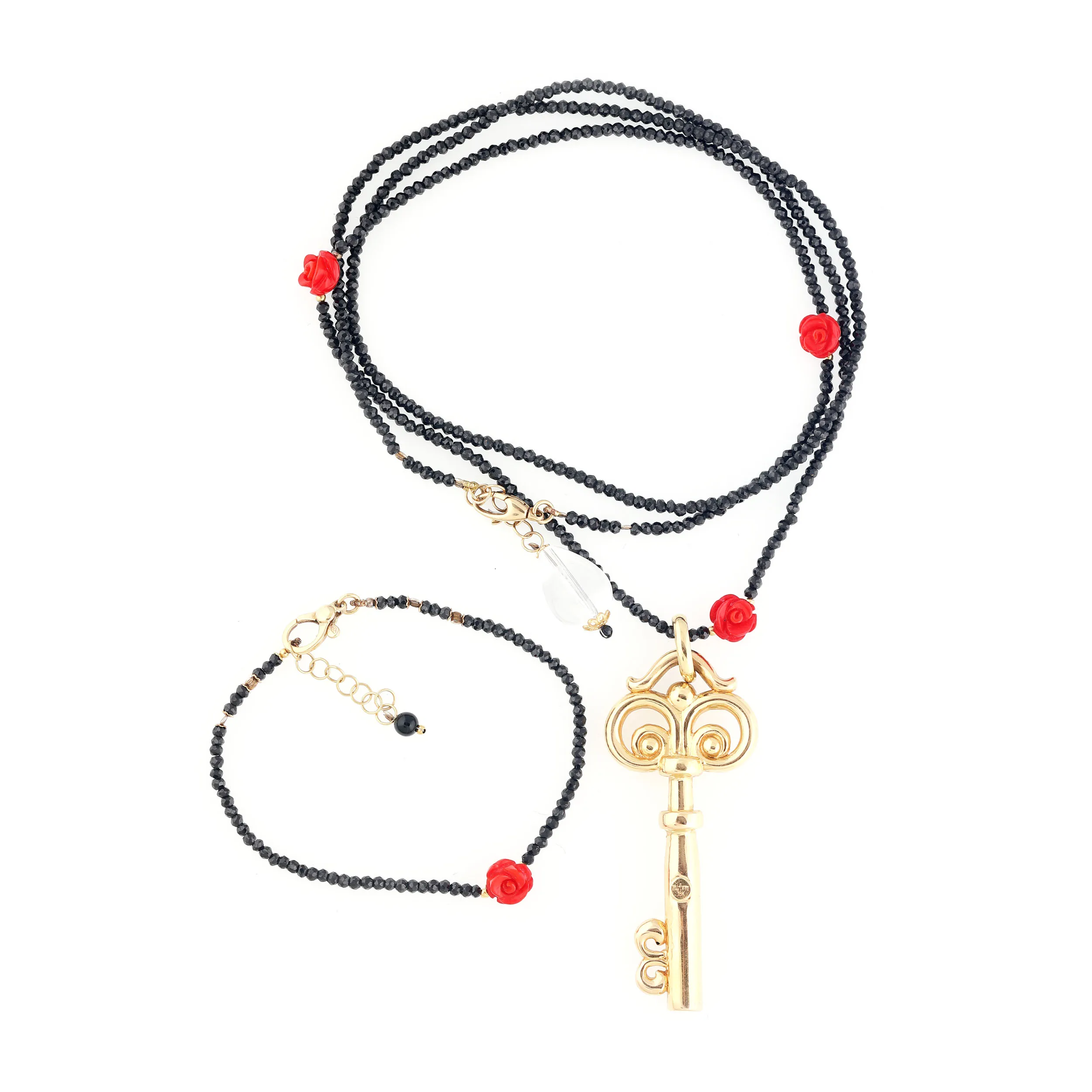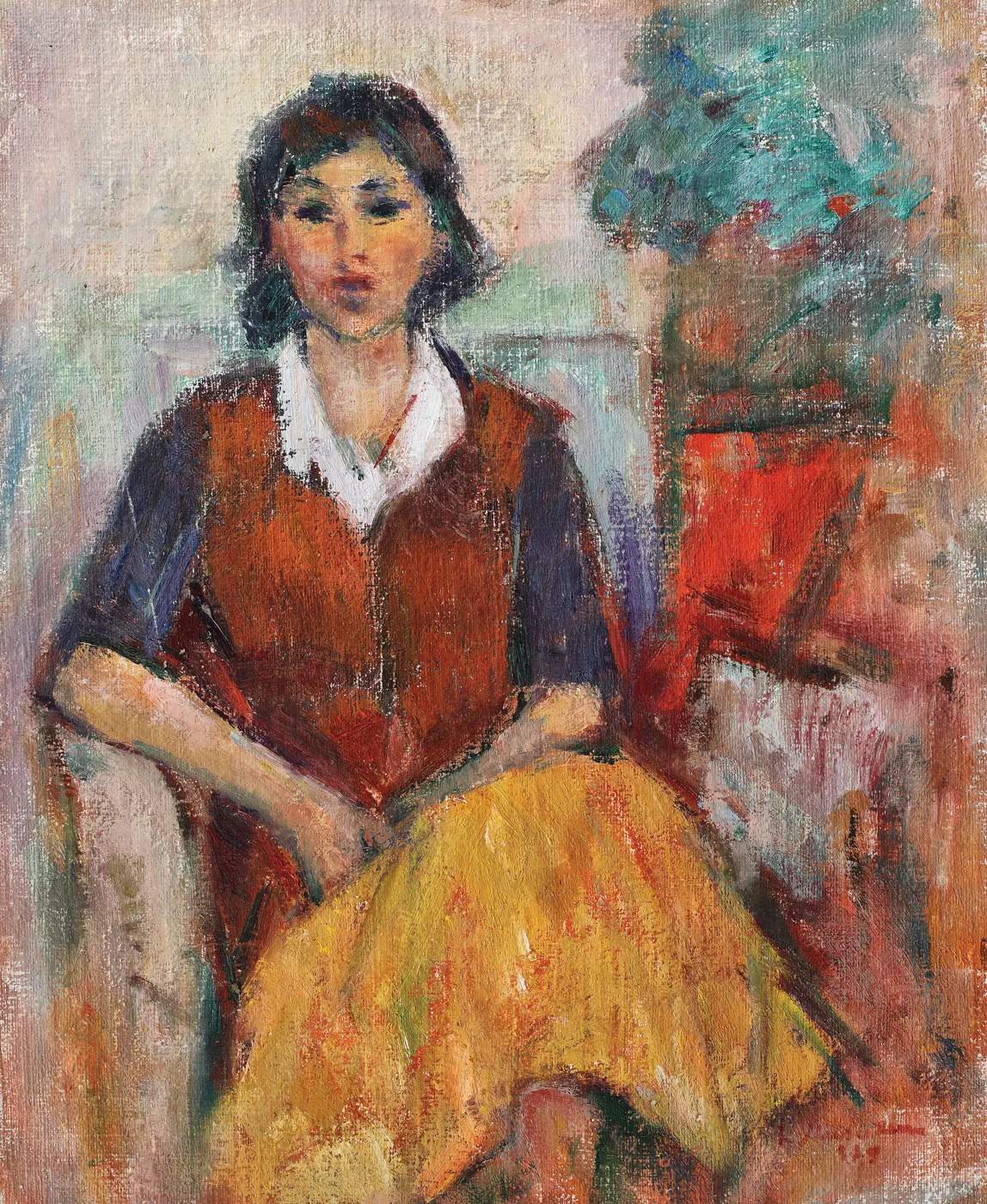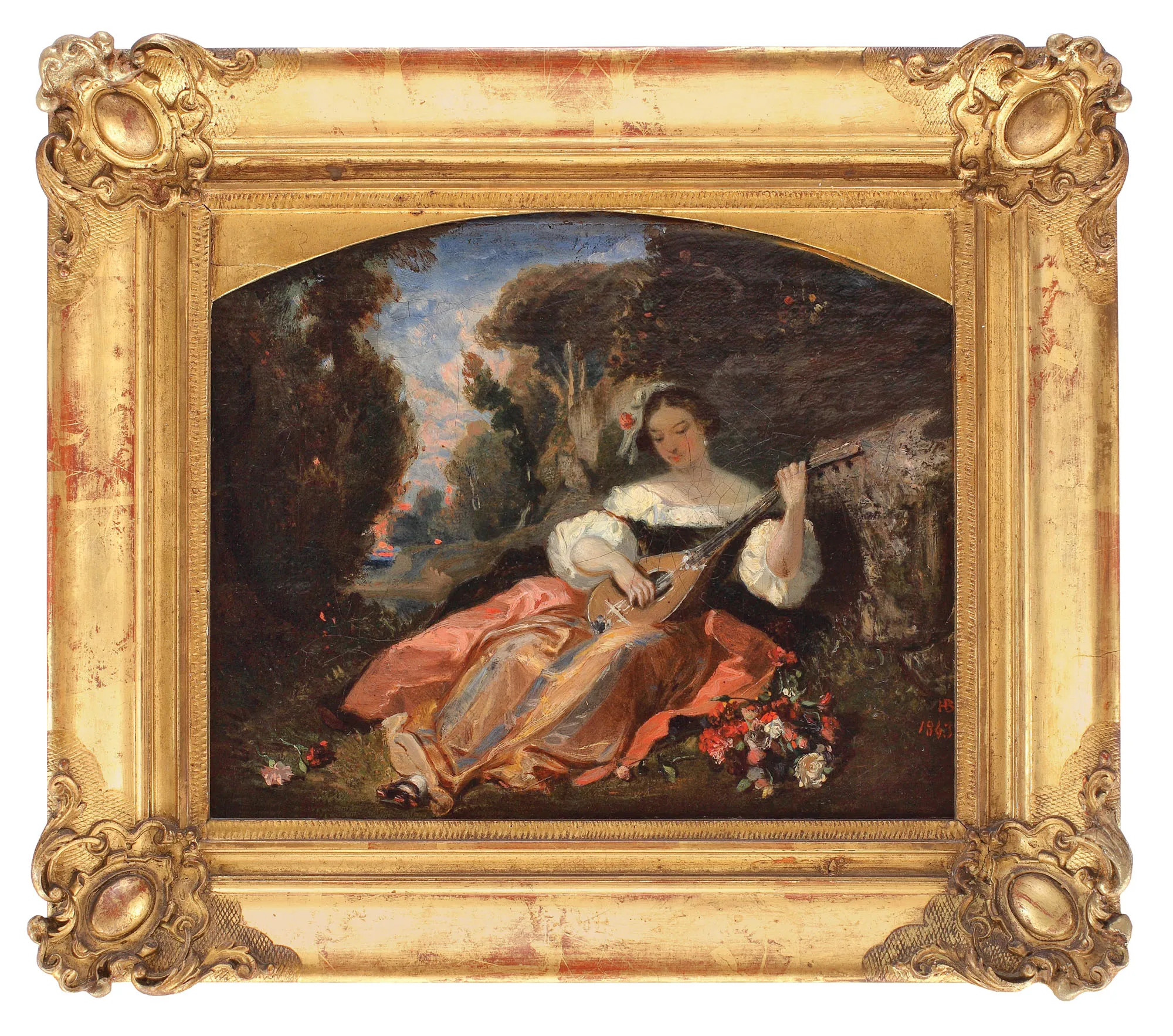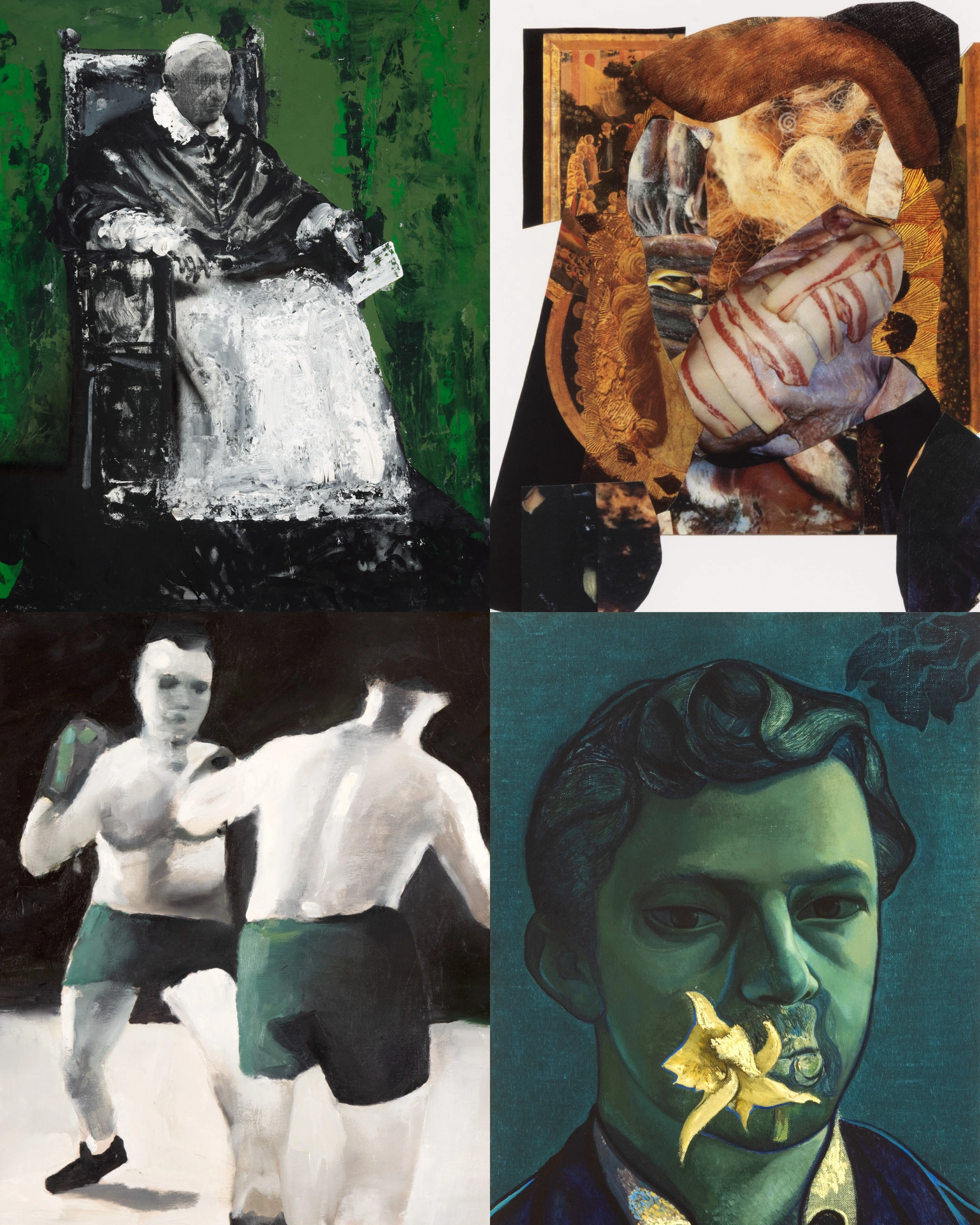

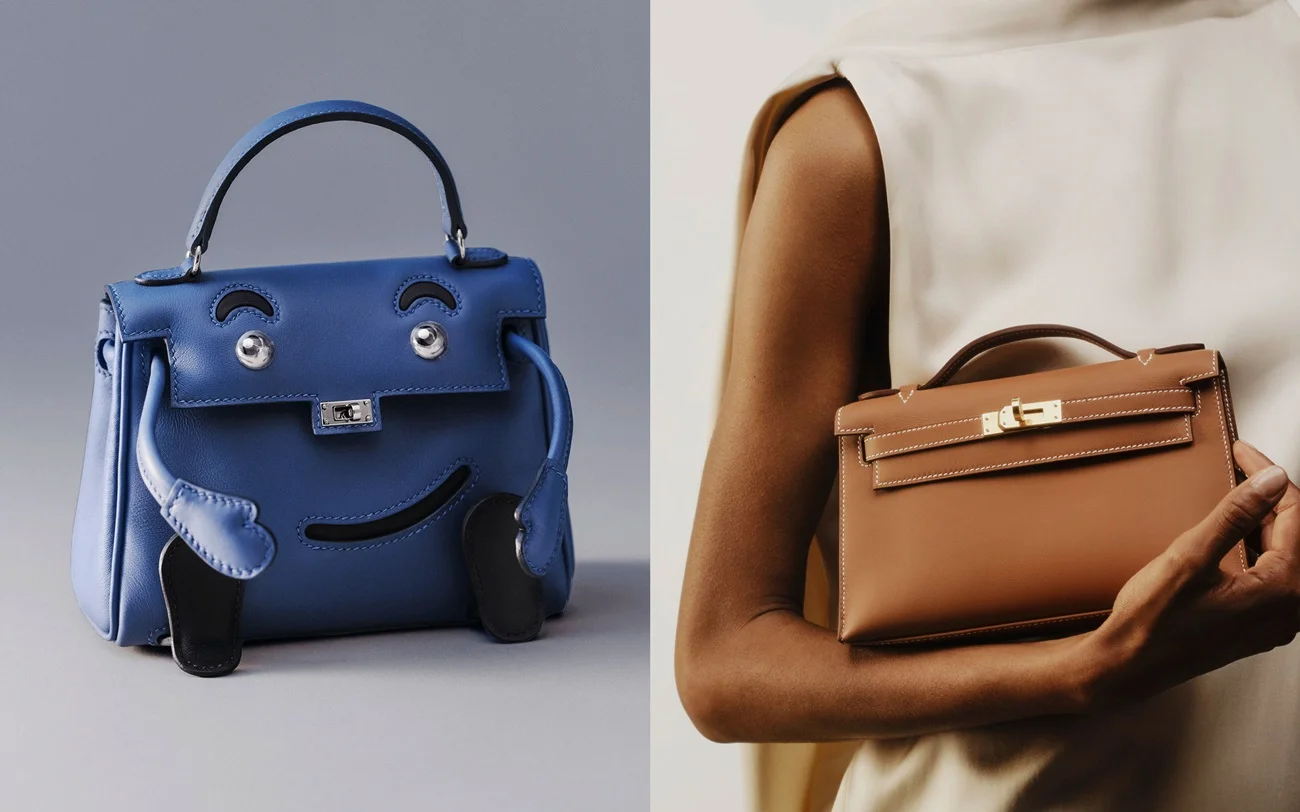

Снимките на лота са с информативен и илюстративен характер и не могат да предоставят изключително детайлен изглед на обекта от всички ъгли. Препоръчваме внимателен оглед на лота на място, преди да направите наддаване.
A calling divined from his childhood years took shape against the background of the repeated visits along the Dâmbovița River Pier or against that of the Sundays spent in the Bucharest Botanical Garden. The latter enabled Dimitrie Ghiață’s meeting with professor Zaharia Panțu, from whom the artist acquired valuable knowledge in botany. He thus learned how to stylise his attitude to nature, using poetic language. Initially, Ghiață enrolled as a volunteer in the 5th Military Company and he completed his compulsory military service in the military hospital’s pharmacy. He later worked as an agent formulation scientist in the Serum and Vaccine Institute managed by Prof. Ioan Cantacuzino, living in a room of the Institute. In his spare time, he conducted an intense artistic activity, and even managed to attend the art history classes taught by Professor Tzigara-Samurcaș. Incidentally, Ioan Cantacuzino found Ghiață’s room filled with paintings and drawings, and he took an interest in his artistic evolution. His first exhibition was held in 1912, at the Atheneum, and, later, D. Ghiață started attending Arthur Verona’s workshop. At the latter's suggestion, the Ministry of Public Instruction offered the disciple painter a scholarship for studies abroad. Dimitrie Ghiață got to Paris, where he roamed the museums and discovered Cézanne’s work. The initial vexation felt by the Romanian artist regarding the uncompromising compositions and the violent colours of the French painter gradually turned into admiration. Ghiață also came to master the geometrization of shapes and the adoption of a bolder colour scheme. He returned in the country in 1915 and attended the Living Artists’ Exhibition, on which occasion he became close friends with Jean Al. Steriadi. A meditative spirit, with a penchant for grandiloquence, Ghiață excerpted, with pragmatic lucidity, significant pictural motifs from the most common circumstances. In his still lifes, the artist’s end purpose was to harmonise the elements of the composition. He painted with a model, and aimed to articulate the represented shapes in the most natural way possible. His still lifes can be regarded as an incommensurate experimental field, where the painter indulges in his imagination and proposes novel analogies between shapes, colours, and volumes. The theme thus becomes an exercise intended to enable visual apotheosis. Designated "painter of the flowers" in his age, or even "a follower of Luchian", Ghiață specialized particularly in tracing chrysanthemums or wild flowers. Simplicity is dominant throughout his creation, and thus, the still lifes transposed by the artist inconspicuously capture the folk-rustic vein of his native land. The clay pots bearing the seal of traditional motifs, the fruit, or the jars of jam compose genuine synergies of the archaic world and of modernity, or of artistic means innovation. (D.C.)
Препратки
Catalogue of the retrospective exhibition "Ghiață D. Artist al poporului" ("Ghiață D. Artist of the people"), Bucharest, 1967.
PREUTU, Marina, "Ghiață D.", Meridiane Publishing House, Bucharest, 1977.
Размери
width 58 cm, height 48 cm
Описание
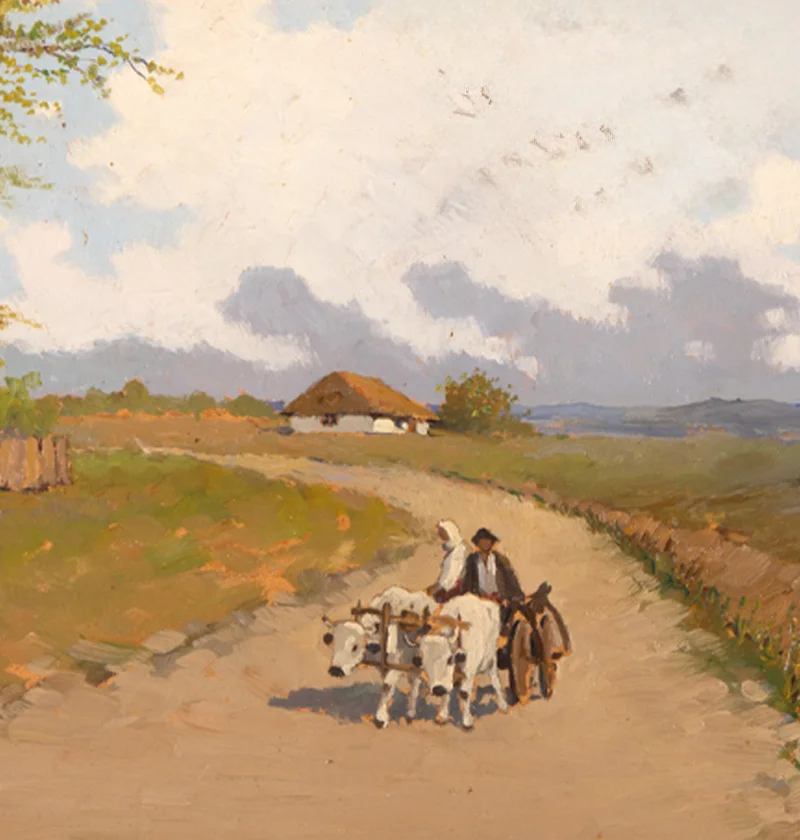
oil on cardboard, signed bottom right, in black, "Ghiață. D."
Запознанства
the 40s
ДОПЪЛНИТЕЛНА ИНФОРМАЦИЯ
За разяснения относно процедурата по наддаване, разходите при спечелване, условията за гаранция, плащане и вземане на спечеления лот, препоръчваме внимателно четене/препрочитане на Правилника за наддаване.
A calling divined from his childhood years took shape against the background of the repeated visits along the Dâmbovița River Pier or against that of the Sundays spent in the Bucharest Botanical Garden. The latter enabled Dimitrie Ghiață’s meeting with professor Zaharia Panțu, from whom the artist acquired valuable knowledge in botany. He thus learned how to stylise his attitude to nature, using poetic language. Initially, Ghiață enrolled as a volunteer in the 5th Military Company and he completed his compulsory military service in the military hospital’s pharmacy. He later worked as an agent formulation scientist in the Serum and Vaccine Institute managed by Prof. Ioan Cantacuzino, living in a room of the Institute. In his spare time, he conducted an intense artistic activity, and even managed to attend the art history classes taught by Professor Tzigara-Samurcaș. Incidentally, Ioan Cantacuzino found Ghiață’s room filled with paintings and drawings, and he took an interest in his artistic evolution. His first exhibition was held in 1912, at the Atheneum, and, later, D. Ghiață started attending Arthur Verona’s workshop. At the latter's suggestion, the Ministry of Public Instruction offered the disciple painter a scholarship for studies abroad. Dimitrie Ghiață got to Paris, where he roamed the museums and discovered Cézanne’s work. The initial vexation felt by the Romanian artist regarding the uncompromising compositions and the violent colours of the French painter gradually turned into admiration. Ghiață also came to master the geometrization of shapes and the adoption of a bolder colour scheme. He returned in the country in 1915 and attended the Living Artists’ Exhibition, on which occasion he became close friends with Jean Al. Steriadi. A meditative spirit, with a penchant for grandiloquence, Ghiață excerpted, with pragmatic lucidity, significant pictural motifs from the most common circumstances. In his still lifes, the artist’s end purpose was to harmonise the elements of the composition. He painted with a model, and aimed to articulate the represented shapes in the most natural way possible. His still lifes can be regarded as an incommensurate experimental field, where the painter indulges in his imagination and proposes novel analogies between shapes, colours, and volumes. The theme thus becomes an exercise intended to enable visual apotheosis. Designated "painter of the flowers" in his age, or even "a follower of Luchian", Ghiață specialized particularly in tracing chrysanthemums or wild flowers. Simplicity is dominant throughout his creation, and thus, the still lifes transposed by the artist inconspicuously capture the folk-rustic vein of his native land. The clay pots bearing the seal of traditional motifs, the fruit, or the jars of jam compose genuine synergies of the archaic world and of modernity, or of artistic means innovation. (D.C.)
ДОПЪЛНИТЕЛНА ИНФОРМАЦИЯ
За разяснения относно процедурата по наддаване, разходите при спечелване, условията за гаранция, плащане и вземане на спечеления лот, препоръчваме внимателно четене/препрочитане на Правилника за наддаване.
Catalogue of the retrospective exhibition "Ghiață D. Artist al poporului" ("Ghiață D. Artist of the people"), Bucharest, 1967.
PREUTU, Marina, "Ghiață D.", Meridiane Publishing House, Bucharest, 1977.
Размери
width 58 cm, height 48 cm
Описание
oil on cardboard, signed bottom right, in black, "Ghiață. D."