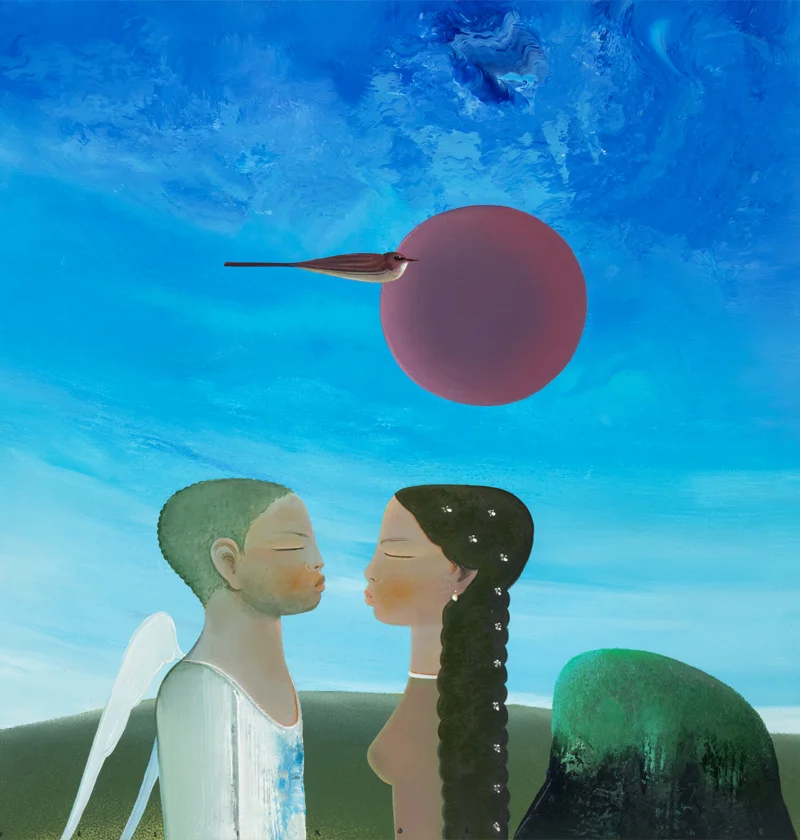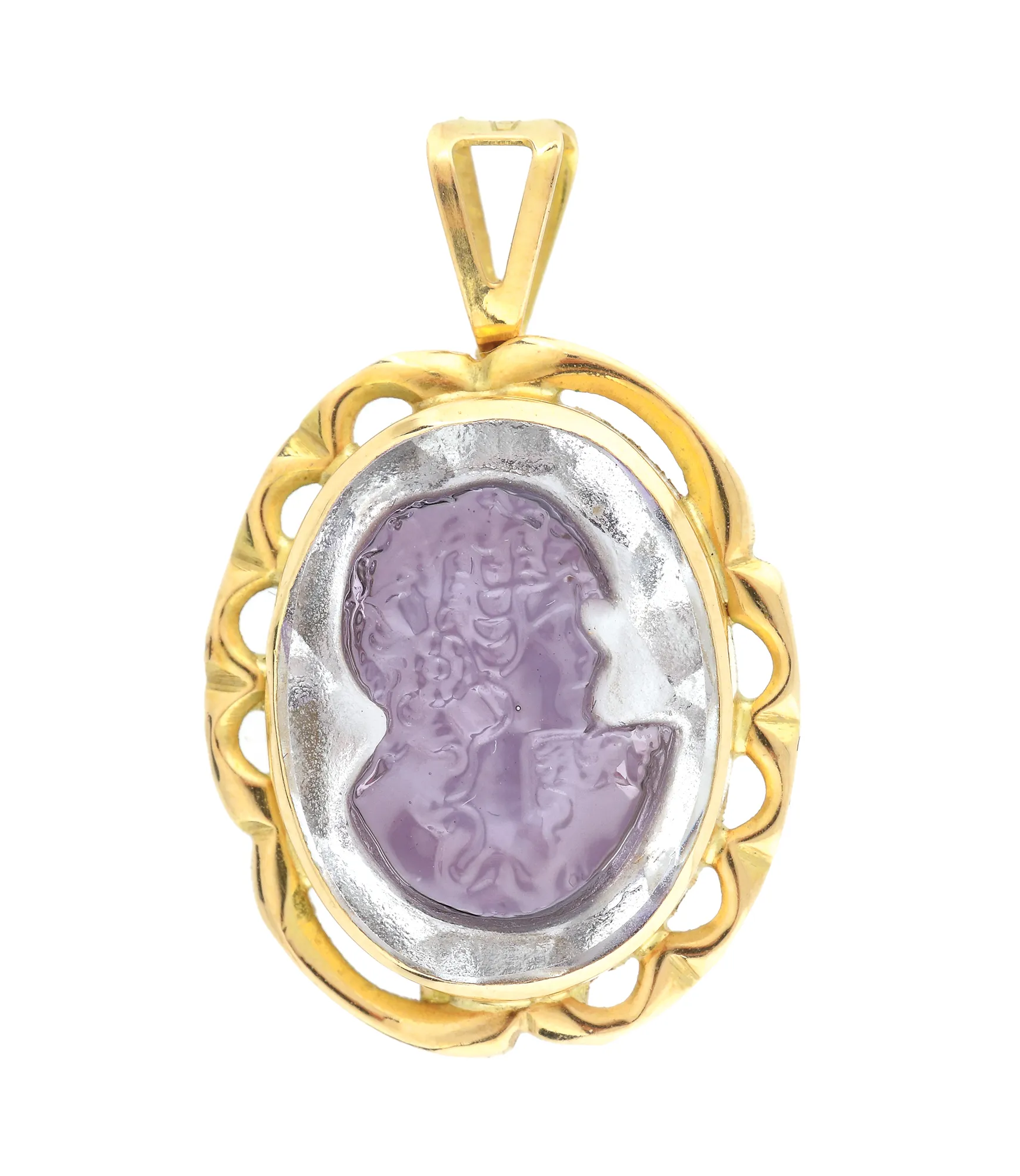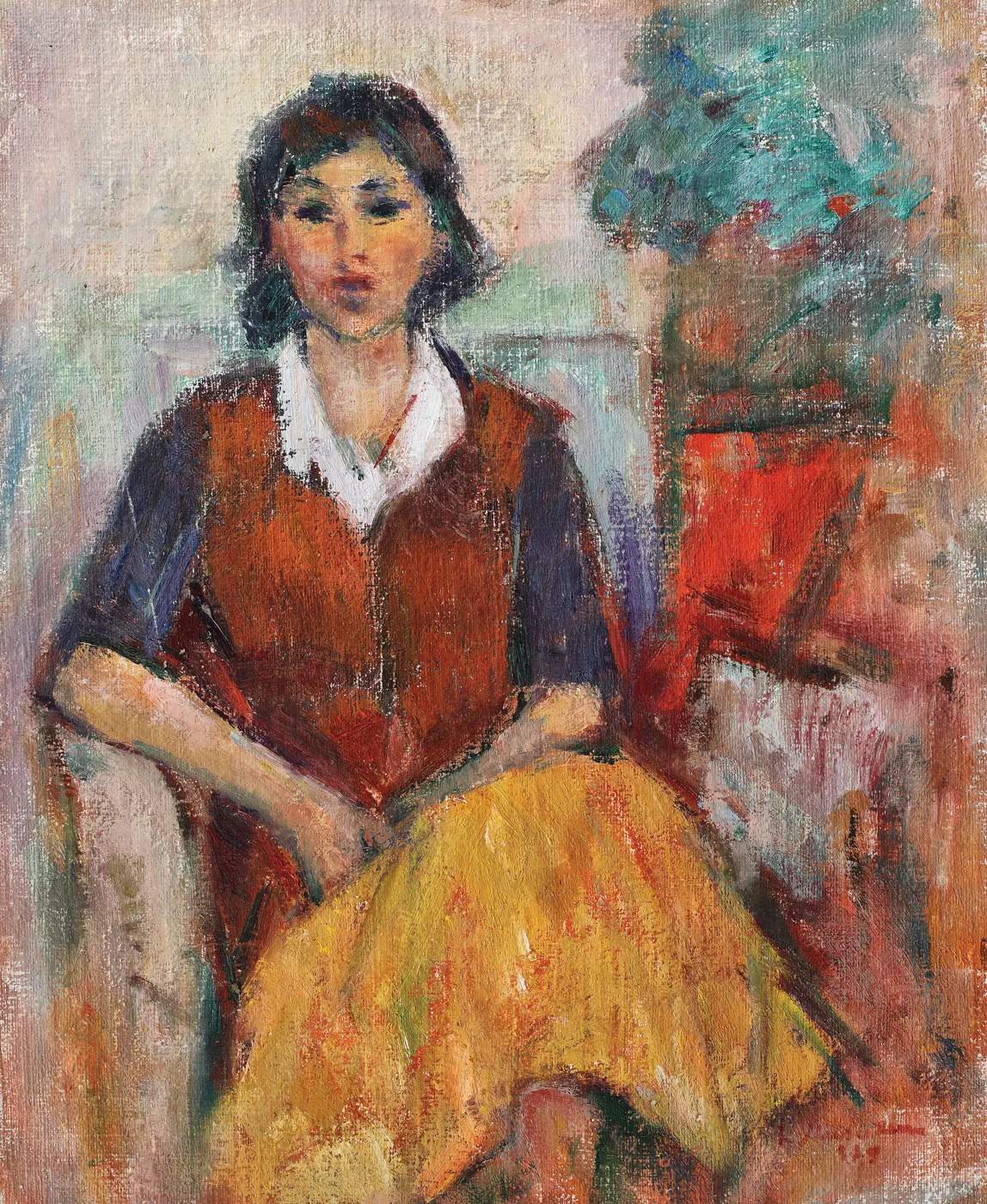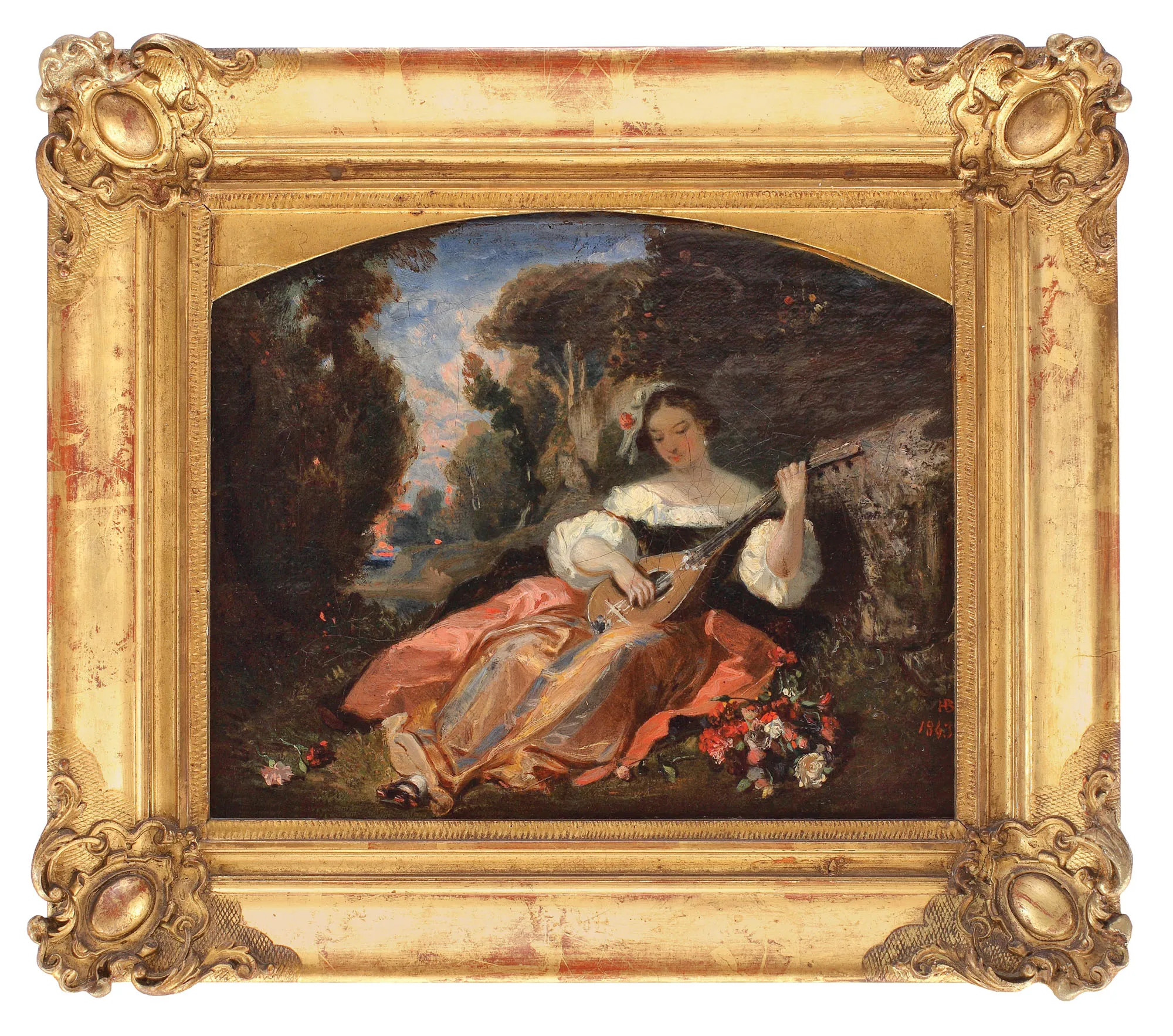




Снимките на лота са с информативен и илюстративен характер и не могат да предоставят изключително детайлен изглед на обекта от всички ъгли. Препоръчваме внимателен оглед на лота на място, преди да направите наддаване.
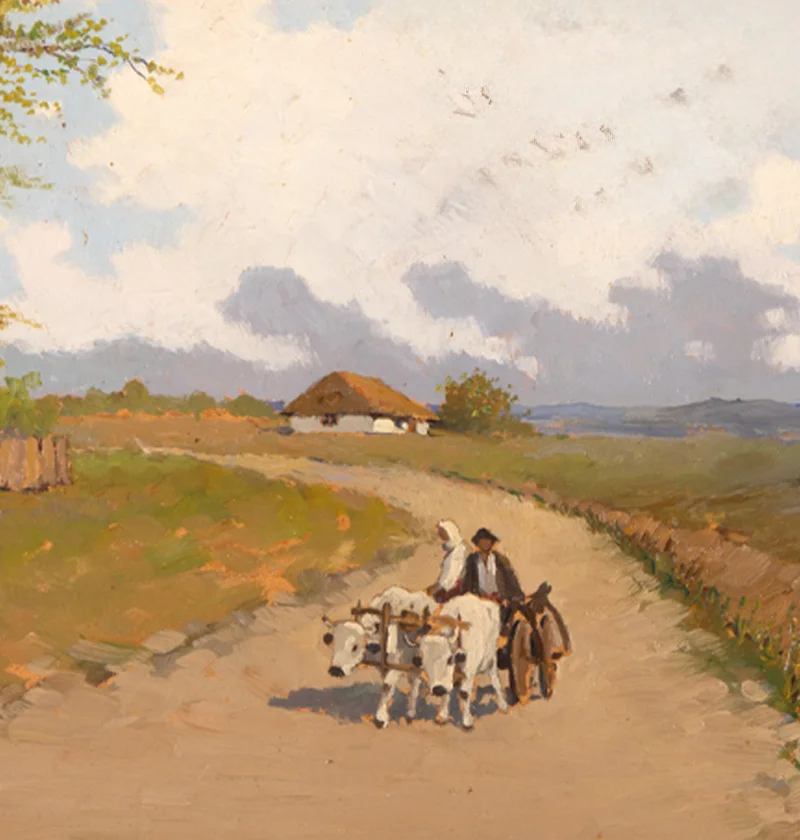
The craftsmanship and academic vision were acquired by the artist following studies under the guidance of the two founding professors of the School of Fine Arts in Bucharest - Theodor Aman and Gheorghe Tattarescu. Sava Henția also specialized in Paris, here guided by the painter Alexandre Cabanel. Particularly remarkable as a portraitist, Henţia evolved from mastering lines and volumes to the science of color and chromatic combinations. From front-line painting (which he deepened while volunteering in 1877) to portraits, landscapes or genre scenes; the artist will assume and perfect his style, managing to master it so well that he later embraces the role of a pedagogue, a position in which he taught his students drawing and calligraphy for over two decades. In Sava Hentia's work, we will see that the landscape undoubtedly becomes a subsidiary theme. The landscape separates from the posture of a mere background to larger scenes and becomes an independent subject around the 15th century, particularly in the works of Titian. At home, the landscape is asserted as a distinct genre of painting only in the nineteenth century, towards the end of it, although Romanian artists had already tackled secular painting as a favorite genre for several decades. The first vista were thus attributed to nineteenth century painters. The leaders of the Romanian landscape: Grigorescu and Andreescu, will not only manage to convey the impression of a place but will invest in their canvases all the emotion and feeling invoked by the landscape. Sava Hentia's trips out of town will materialize through works in which the artist depicts both the landscape and the people he meets around him. His passion for nature will be reflected both in the representation of plant elements and by introducing windmills, halls, houses, and courtyards, markets, or stalls. The period 1879-1894 is decisive in the evolution of the artist who will now absorb the deepest influences of international currents in his work. As an observer of rural life, he will transpose monumental scenes into horizontal compositions of considerable proportions. Market scenes will be very popular amongst his works, and some of these are today held in reputable museum collections. The landscapes-documentaries, stylistic metamorphoses that focus on the grandness of plein-air painting reveals stalls lined up one next to the other, hooded carts and peasant girls with colored headbands, white bras and long skirts. We also note the elegant ladies, who stop in front of the goods, with their imposing sun umbrellas. Neatly arranged, on the surface of the stalls, the sides and in front of them, merchandise made of meals and ceramic vessels contributes to the contour of the sweltering landscape atmosphere, where the warm hues complement and enhance each other.
Препратки
POPA, Cristian Ioan, "In Search of Cinderella. The Landscape in the Work of Painter Sava Henția (1848-1904)", Terra Sebus.
Размери
width 59 cm, height 29.5 cm
Описание
oil on cardboard, signed and dated bottom right, in brown, "S. Hentia, 1893"
Запознанства
1893
ДОПЪЛНИТЕЛНА ИНФОРМАЦИЯ
За разяснения относно процедурата по наддаване, разходите при спечелване, условията за гаранция, плащане и вземане на спечеления лот, препоръчваме внимателно четене/препрочитане на Правилника за наддаване.
The craftsmanship and academic vision were acquired by the artist following studies under the guidance of the two founding professors of the School of Fine Arts in Bucharest - Theodor Aman and Gheorghe Tattarescu. Sava Henția also specialized in Paris, here guided by the painter Alexandre Cabanel. Particularly remarkable as a portraitist, Henţia evolved from mastering lines and volumes to the science of color and chromatic combinations. From front-line painting (which he deepened while volunteering in 1877) to portraits, landscapes or genre scenes; the artist will assume and perfect his style, managing to master it so well that he later embraces the role of a pedagogue, a position in which he taught his students drawing and calligraphy for over two decades. In Sava Hentia's work, we will see that the landscape undoubtedly becomes a subsidiary theme. The landscape separates from the posture of a mere background to larger scenes and becomes an independent subject around the 15th century, particularly in the works of Titian. At home, the landscape is asserted as a distinct genre of painting only in the nineteenth century, towards the end of it, although Romanian artists had already tackled secular painting as a favorite genre for several decades. The first vista were thus attributed to nineteenth century painters. The leaders of the Romanian landscape: Grigorescu and Andreescu, will not only manage to convey the impression of a place but will invest in their canvases all the emotion and feeling invoked by the landscape. Sava Hentia's trips out of town will materialize through works in which the artist depicts both the landscape and the people he meets around him. His passion for nature will be reflected both in the representation of plant elements and by introducing windmills, halls, houses, and courtyards, markets, or stalls. The period 1879-1894 is decisive in the evolution of the artist who will now absorb the deepest influences of international currents in his work. As an observer of rural life, he will transpose monumental scenes into horizontal compositions of considerable proportions. Market scenes will be very popular amongst his works, and some of these are today held in reputable museum collections. The landscapes-documentaries, stylistic metamorphoses that focus on the grandness of plein-air painting reveals stalls lined up one next to the other, hooded carts and peasant girls with colored headbands, white bras and long skirts. We also note the elegant ladies, who stop in front of the goods, with their imposing sun umbrellas. Neatly arranged, on the surface of the stalls, the sides and in front of them, merchandise made of meals and ceramic vessels contributes to the contour of the sweltering landscape atmosphere, where the warm hues complement and enhance each other.
ДОПЪЛНИТЕЛНА ИНФОРМАЦИЯ
За разяснения относно процедурата по наддаване, разходите при спечелване, условията за гаранция, плащане и вземане на спечеления лот, препоръчваме внимателно четене/препрочитане на Правилника за наддаване.