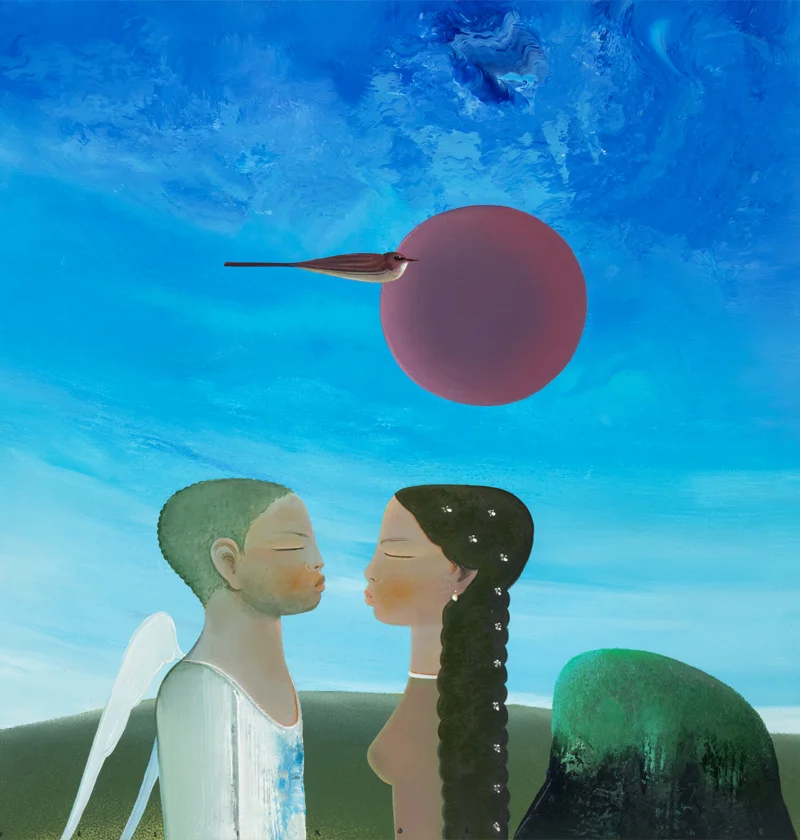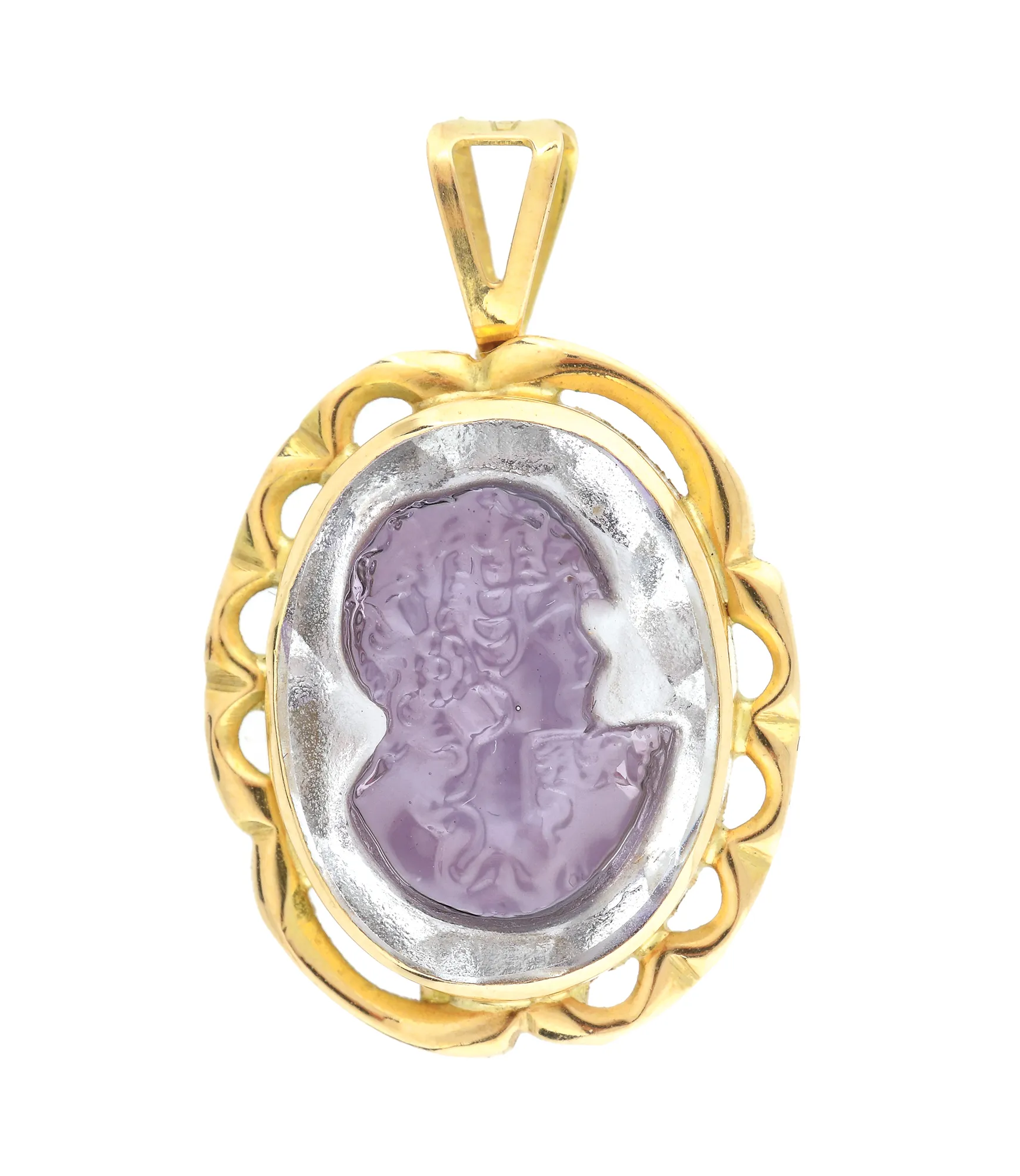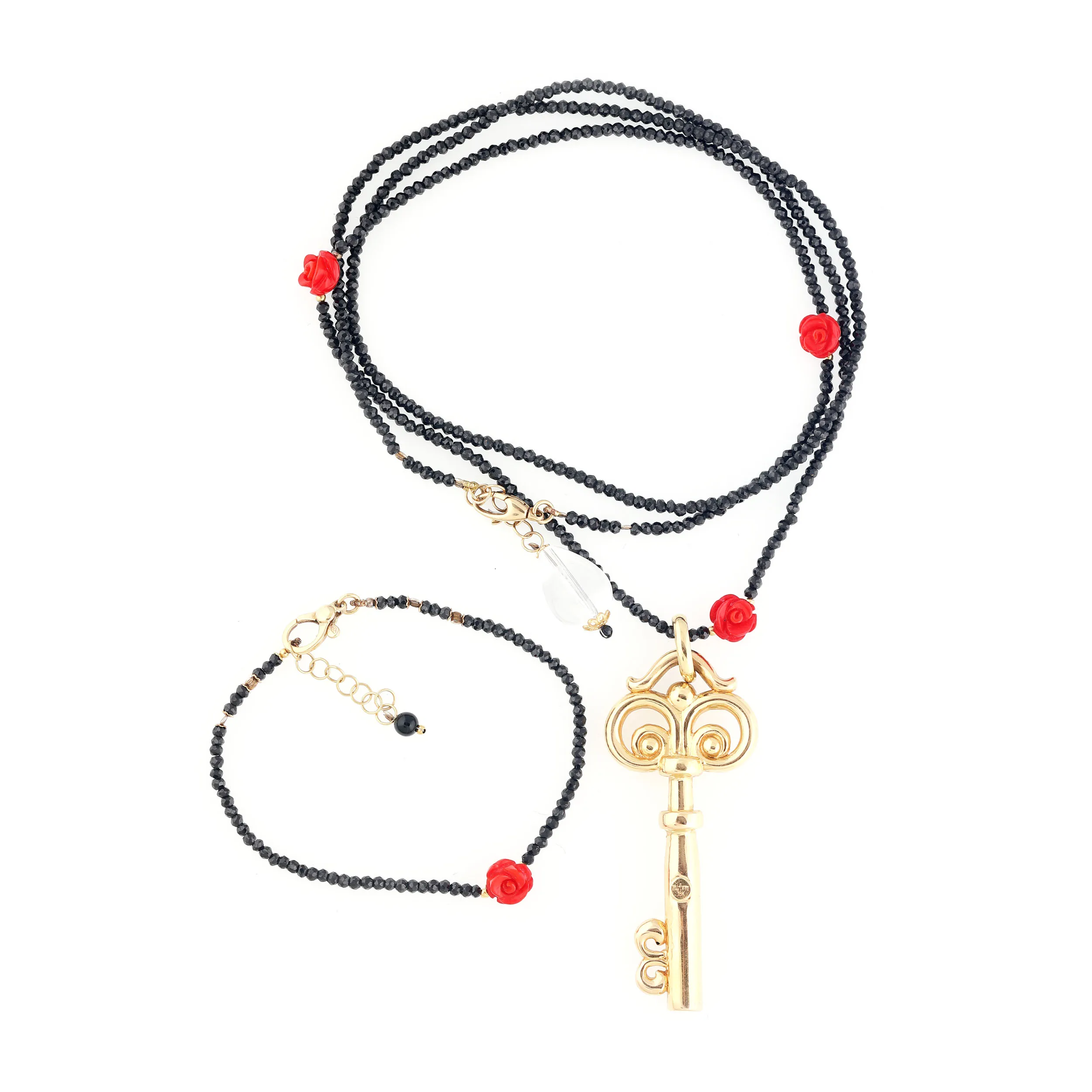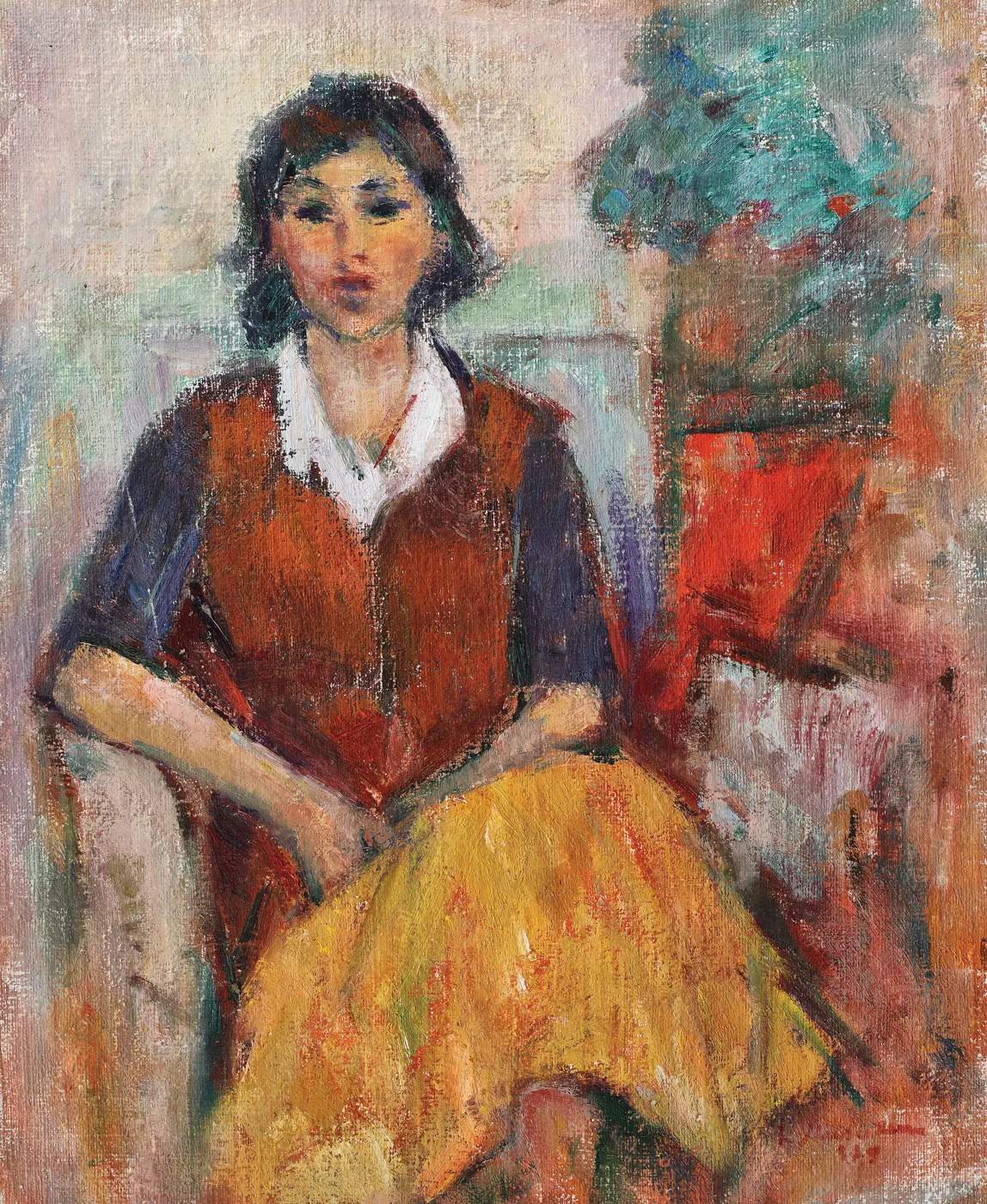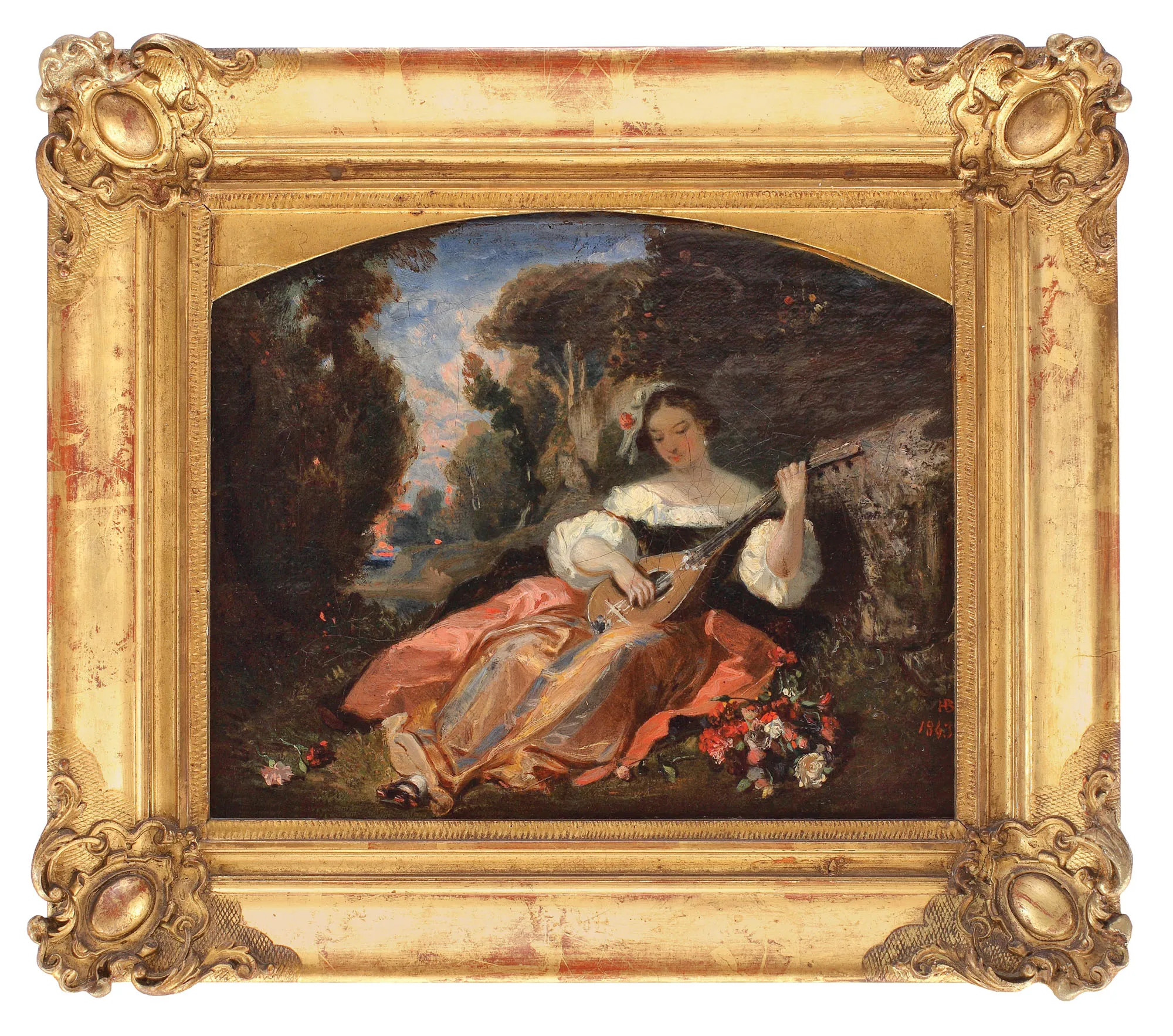



Снимките на лота са с информативен и илюстративен характер и не могат да предоставят изключително детайлен изглед на обекта от всички ъгли. Препоръчваме внимателен оглед на лота на място, преди да направите наддаване.
During the summers spent in Baia Mare, Ciucurencu is amazed by the expressive palette of Maramureș painters and stunned by the chromatic juxtapositions they propose. In 1930, the artist leaves his homeland and heads for Paris. The fervor of one of the most prestigious artistic capitals of last century certainly broadens his imaginative horizon and offers him new possibilities for plastic expressiveness. In the capital of France, Ciucurencu discovers Hieronymus Bosch, Boticelli, Matisse, Picasso, Braque, and Cézanne. His contact with Paris mediates, besides the encounter of the Romanian painter with universal art, the acquisition of significant pictorial refinement. His artworks always start from reality, regardless of how they end up being executed. He takes on, in greatly diminished quantities, Cézanne's cubism, and from Matisse he will embrace the use of line and color in his work. As a post-impressionist successor, he adopts some of the features of this trend: the autonomy of color, the use of strong, lively shades, but he does not hesitate to introduce black into his works. His drawing skills are revealed mainly in the contours that the artist uses to define his subjects. Ciucurencu masters the harmony of lines and the blending of colors. Often presented as a "colorist", the artist considers himself a follower of painters who have also had a special concern for color: Luchian, Ressu, Lhote, or Pallady. He knows how to handle the set of values he acquired under the guidance of André Lhote: he gradually distributes light, following the logic of reality and skillfully distributes chromatic effects. Ciucurencu will excel especially in the realization of still life art. He will remain known in this genre due to his preference for warm and intense tones, his skill in harmoniously organizing composition and his ability to represent chromatic juxtapositions in lyrical rhythms. Ciucurencu admires the flowers painted by his precursors, specially those of Luchian. He is inspired by the artist's work, but his own flowers remain anchored in a representation in which the focus is rather on color, while form takes on secondary valences. His flowers follow energetically in hues of red, orange, and white with pink insertions, and the background becomes a flexible, interchangeable palette containing a multitude of tones. His obsession with color will never leave the artist, but he will focus on achieving compositional harmony by combining light, hues, and contrasts. Respecting the specific compositional arrangement, the artist centers on the table the vase surrounded by fruits and books. Rendered in shades of green, the vase contains the delicate stems of tulips. At its base, we distinguish the contour of red fruits, and on the left side of the artwork, on the same static-bearing table, we notice the presence of a volume bound in a golden cover. The table is painted in ocher hues and strongly contrasts with the ash-colored wall in the background. The floral element eventually becomes a recurring theme in the artist's work.
oil on cardboard, signed bottom right, in brown, "AC"
Запознанства
anii '40
ДОПЪЛНИТЕЛНА ИНФОРМАЦИЯ
За разяснения относно процедурата по наддаване, разходите при спечелване, условията за гаранция, плащане и вземане на спечеления лот, препоръчваме внимателно четене/препрочитане на Правилника за наддаване.
During the summers spent in Baia Mare, Ciucurencu is amazed by the expressive palette of Maramureș painters and stunned by the chromatic juxtapositions they propose. In 1930, the artist leaves his homeland and heads for Paris. The fervor of one of the most prestigious artistic capitals of last century certainly broadens his imaginative horizon and offers him new possibilities for plastic expressiveness. In the capital of France, Ciucurencu discovers Hieronymus Bosch, Boticelli, Matisse, Picasso, Braque, and Cézanne. His contact with Paris mediates, besides the encounter of the Romanian painter with universal art, the acquisition of significant pictorial refinement. His artworks always start from reality, regardless of how they end up being executed. He takes on, in greatly diminished quantities, Cézanne's cubism, and from Matisse he will embrace the use of line and color in his work. As a post-impressionist successor, he adopts some of the features of this trend: the autonomy of color, the use of strong, lively shades, but he does not hesitate to introduce black into his works. His drawing skills are revealed mainly in the contours that the artist uses to define his subjects. Ciucurencu masters the harmony of lines and the blending of colors. Often presented as a "colorist", the artist considers himself a follower of painters who have also had a special concern for color: Luchian, Ressu, Lhote, or Pallady. He knows how to handle the set of values he acquired under the guidance of André Lhote: he gradually distributes light, following the logic of reality and skillfully distributes chromatic effects. Ciucurencu will excel especially in the realization of still life art. He will remain known in this genre due to his preference for warm and intense tones, his skill in harmoniously organizing composition and his ability to represent chromatic juxtapositions in lyrical rhythms. Ciucurencu admires the flowers painted by his precursors, specially those of Luchian. He is inspired by the artist's work, but his own flowers remain anchored in a representation in which the focus is rather on color, while form takes on secondary valences. His flowers follow energetically in hues of red, orange, and white with pink insertions, and the background becomes a flexible, interchangeable palette containing a multitude of tones. His obsession with color will never leave the artist, but he will focus on achieving compositional harmony by combining light, hues, and contrasts. Respecting the specific compositional arrangement, the artist centers on the table the vase surrounded by fruits and books. Rendered in shades of green, the vase contains the delicate stems of tulips. At its base, we distinguish the contour of red fruits, and on the left side of the artwork, on the same static-bearing table, we notice the presence of a volume bound in a golden cover. The table is painted in ocher hues and strongly contrasts with the ash-colored wall in the background. The floral element eventually becomes a recurring theme in the artist's work.
ДОПЪЛНИТЕЛНА ИНФОРМАЦИЯ
За разяснения относно процедурата по наддаване, разходите при спечелване, условията за гаранция, плащане и вземане на спечеления лот, препоръчваме внимателно четене/препрочитане на Правилника за наддаване.